

Lahore Hair Loss: 10 Alopecia Areata Causes & Treatments
Sara, a 28-year-old teacher from Lahore, woke up one morning to find a coin-sized bald patch on the back of her head. Panic set in as she imagined worst-case scenarios – was she going bald forever? In a city like Lahore, where lush hair is often tied to confidence, this sudden hair loss felt devastating. Sara’s doctor gently explained that she had alopecia areata, an autoimmune condition that causes patchy baldness.
Relieved to have a diagnosis, Sara still wondered: “Why me? What caused this?” She soon learned she was not alone – many people in Lahore experience similar sudden bald spots and the emotional turmoil that follows. In this storytelling journey, we’ll explore the 10 shocking causes of alopecia areata that Sara and others like her discover, and the proven treatments that can help regrow hair and hope.
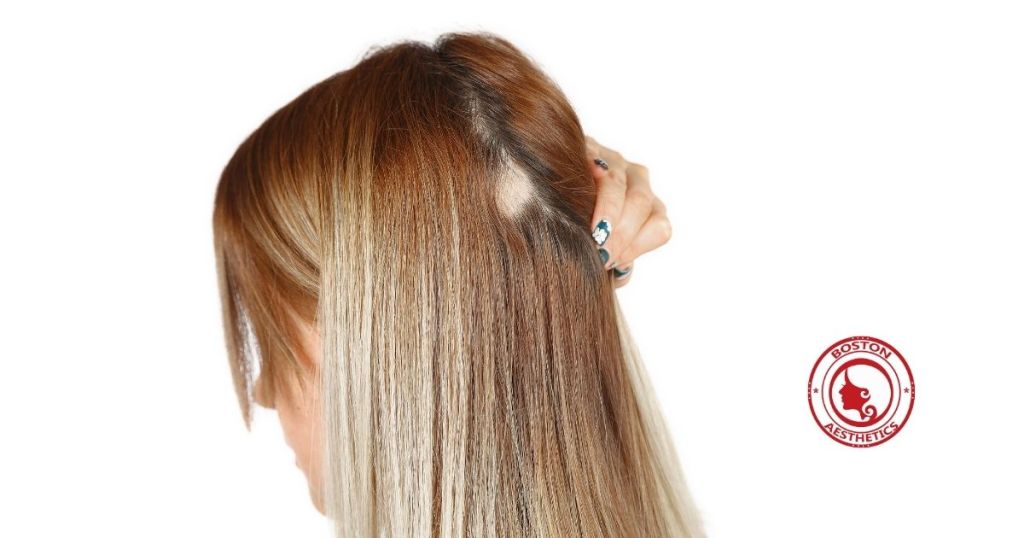
By understanding the unexpected triggers behind this condition and how an American-trained dermatologist in Lahore can treat it, you or your loved ones can feel empowered. Let’s demystify alopecia areata – an autoimmune hair loss disorder – and show that even if your immune system has turned against your hair, there are effective solutions to reclaim your locks and confidence in Lahore.
Table of Contents
Understanding Alopecia Areata (Autoimmune Hair Loss)
Alopecia areata is an autoimmune disease – meaning the body’s own defense system mistakenly attacks a part of itself. In this case, the immune system targets the hair follicles (the tiny pores from which hair grows), treating them as if they were invaders like germs my.clevelandclinic.org.
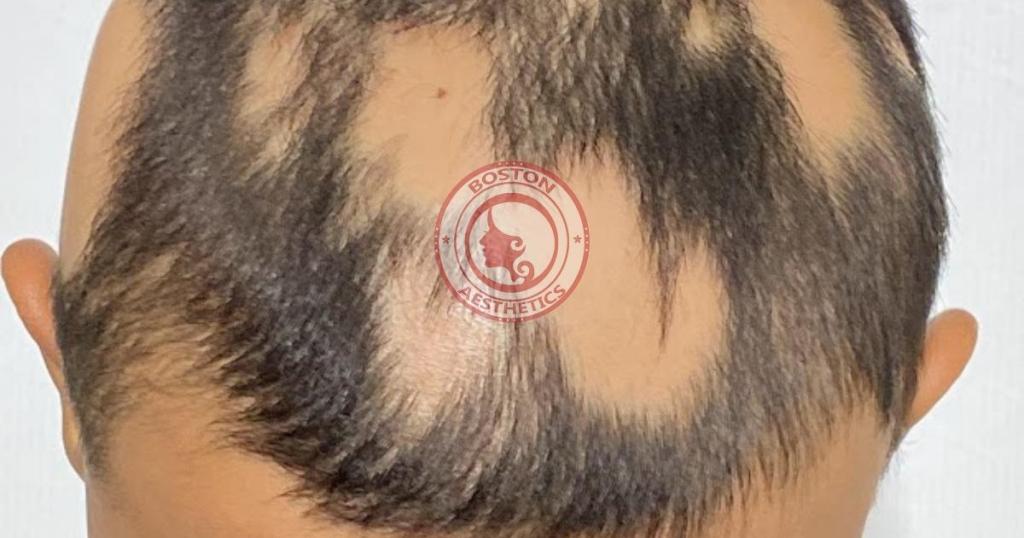
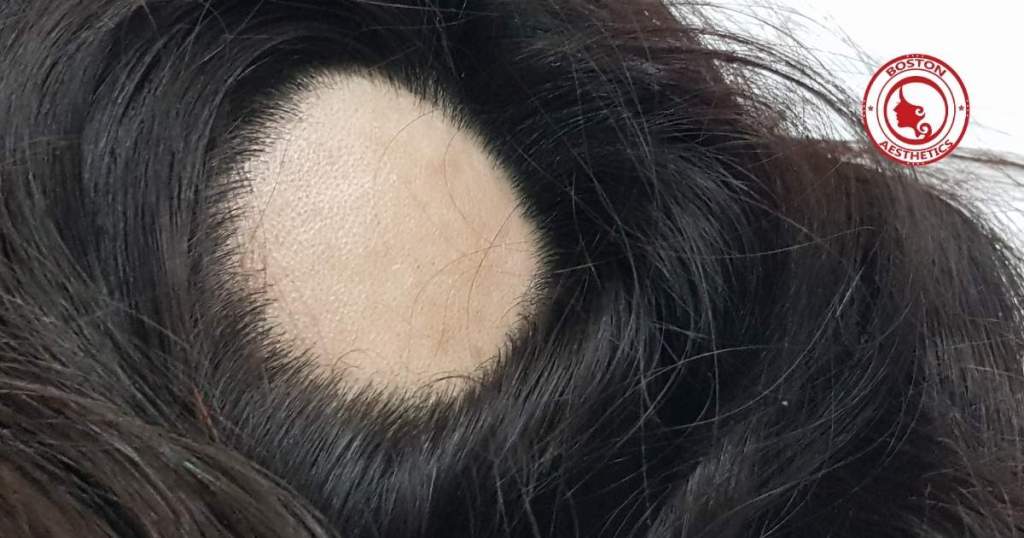
This attack causes the hair to fall out in clumps, often leaving smooth, round bald patches about the size of a coin. That’s why alopecia areata is sometimes called “patchy baldness.” These patches can appear on the scalp, beard, eyebrows, or any hair-bearing area. The good news is that the hair follicles usually remain alive below the skin (aad.org ), so hair can regrow – either on its own or with treatment – once the immune attack stops.
It’s important to know that alopecia areata is not contagious. You cannot catch it from someone; it’s a reaction happening inside your own body. Often, people with alopecia areata are otherwise healthy. The condition can start at any age – even childhood – but most commonly begins in one’s teens, 20s, or 30saad.org. Both men and women in Lahore can develop it, and it affects all ethnicities alike aad.org. Patients often ask, “Why did this happen to me?” – usually there isn’t one simple answer. Researchers believe a combination of factors triggers alopecia areata. Below, we’ll uncover 10 shocking causes or risk factors that can set off this autoimmune hair loss.

10 Shocking Causes of Alopecia Areata
Even though the root cause of alopecia areata is the immune system attacking hair follicles, the triggers and risk factors behind that immune attack can be surprising. Here are 10 important causes and contributors:
- Your Immune System’s Mistake (Autoimmune Reaction): The fundamental cause of alopecia areata is a misguided immune system. For reasons still not fully understood, your immune cells start treating hair follicles as threats. Think of it as friendly fire – your body is firing at its own troops. This autoimmune reaction is the core of alopecia areata my.clevelandclinic.org. In essence, your body is causing the hair loss. People are often shocked to learn it’s not an infection or an external problem, but the immune system itself going awry. This internal glitch is what makes alopecia areata an “autoimmune hair loss” condition. The immune attack causes inflammation around hair roots, but fortunately it rarely destroys them completely, which is why hair can regrow later aad.orgaad.org.
- Family History & Genetic Factors: Genetics play a significant role – and it can be startling to find out that alopecia areata sometimes runs in families. If a close blood relative (like a parent or sibling) has alopecia areata, your own risk is higher aad.org. Scientists have identified certain genes linked to this condition, many related to how the immune system functions aad.org. It’s possible to inherit these genes and never get alopecia areata unless something triggers it. However, about 1 in 5 people with alopecia areata have a family member who also has it, indicating a clear genetic susceptibility. In Lahore, if you hear of multiple family members with “patchy hair loss,” it’s not a coincidence – genetics may be at play. This doesn’t mean you will pass it to your children, but the tendency can be inherited.
- Other Autoimmune Diseases: Alopecia areata often co-exists with other autoimmune disorders, which can be an eye-opener for patients. If you have conditions like thyroid disease (e.g., Hashimoto’s thyroiditis), vitiligo (white patches on skin), type 1 diabetes, or psoriasis, your risk of developing alopecia areata is higher aad.orgen.wikipedia.org. These conditions all involve an overactive immune system misfiring at healthy tissues. In fact, dermatologists have noted a strong link especially with thyroid issues and vitiligo in patients who come in with new alopecia patches aad.org. It can be shocking to learn that a thyroid imbalance or another seemingly unrelated autoimmune problem can trigger your hair loss. Essentially, any immune disturbance might tip the balance and provoke the immune system to attack hair. Doctors in Lahore will often check for other autoimmune conditions in alopecia areata patients as part of a thorough evaluation.
- Allergies and Atopic Conditions: Do you have asthma, hay fever, or eczema (atopic dermatitis)? These allergic conditions have been surprisingly linked with alopecia areata. Research shows people with such atopic disorders have a higher chance of developing alopecia areata aad.org. The connection isn’t fully understood, but it might be due to underlying immune system hypersensitivity. For instance, chronic eczema indicates an over-reactive immune response in the skin. In Lahore, where pollen allergies and dust allergies are common, many patients with severe allergies are taken aback when they also develop patchy hair loss. While allergies don’t directly cause the bald spots, having an atopic background creates an immune-friendly environment for alopecia areata to occur. It’s as if the immune system is already on high alert and can more easily get tricked into attacking hair follicles too.
- Intense Stress or Emotional Trauma: Stress is often dubbed the “silent trigger” for many health issues, and alopecia areata is no exception. Many patients recall experiencing intense emotional stress, shock, or a traumatic event shortly before their hair started falling out aad.org. For example, losing a loved one, going through a divorce, or even the anxiety of exam season in Lahore’s competitive academic environment can be a precipitating factor. While stress alone doesn’t cause alopecia areata in someone not already predisposed, it can act as a trigger that sets off the immune attack in someone who is susceptible en.wikipedia.org. Stress hormones may disrupt the normal immune regulation. Sara, from our story, remembered that her bald patch appeared just a few weeks after she started a very demanding new job. It’s not always easy to “prove” stress caused the hair loss, but the timing and patient histories often make it a likely culprit. Managing stress through relaxation techniques and support can be important in treatment, as chronic stress might worsen or prolong episodes of hair loss.
- Vitamin D Deficiency and Poor Nutrition: Nutritional factors, especially vitamin D, have emerged as a shocking cause (or at least a major contributor) to alopecia areata. Vitamin D isn’t just for bones – it plays a role in immune regulation and hair follicle health. Studies have found that people with alopecia areata often have significantly lower vitamin D levels than those without the conditionpubmed.ncbi.nlm.nih.govpubmed.ncbi.nlm.nih.gov. In fact, one study showed 91% of alopecia patients were vitamin D deficient, and lower vitamin D was linked to more severe hair losspubmed.ncbi.nlm.nih.gov. This is quite surprising, especially in sunny regions like Lahore. However, lifestyles that limit sun exposure (staying indoors, using sunblock, modest clothing) or dietary insufficiencies can lead to widespread vitamin D deficiency in our population. Additionally, zinc is another nutrient linked to hair health. Recent research (including a 2024 meta-analysis) suggests that low zinc levels may also increase alopecia areata risk dermatologyadvisor.comdermatologyadvisor.com. Poor overall nutrition or crash diets can stress the immune system and hair cycle as well. So, yes – a simple vitamin deficiency might be an underlying factor for this autoimmune hair loss. Dermatologists often check and correct such deficiencies as part of a comprehensive treatment plan.
- Infections or Illnesses: Sometimes a viral infection or other illness can act as the straw that breaks the camel’s back. It’s shocking but true that even something like a common flu virus might trigger alopecia areata in a genetically predisposed person pubmed.ncbi.nlm.nih.goven.wikipedia.org. The immune system, already revved up to fight the infection, might get confused and start attacking hair follicles too. Cases have been reported where people developed alopecia areata after viral illnesses such as influenza, infectious mononucleosis (caused by Epstein-Barr virus), or even COVID-19autoimmuneinstitute.org. High fever or illness can also shock hair follicles (as seen in a different hair loss condition called telogen effluvium), but in alopecia areata the mechanism is autoimmune. In Lahore, during dengue fever or flu season, doctors have observed some patients’ hair loss conditions starting afterwards. Bacterial infections or even physical illnesses and surgeries that tax the immune system might also serve as triggers. While most people recover from infections with no hair loss, these illnesses can unmask alopecia areata in those who are susceptible. It’s one reason we ask patients about what was happening in their life/health in the months before a patch appeared.
- Certain Medications and Treatments: Did you know that a medicine intended to fight cancer could cause patchy hair loss? Unlike chemotherapy (which causes general hair thinning by toxicity), some newer medications can specifically trigger alopecia areata as a side effect. A prime example is nivolumab, an immunotherapy drug used for treating certain cancers (like melanoma and lung cancer). Approximately 1–2% of patients on nivolumab develop alopecia areata or even complete scalp hair lossaad.org. It usually begins a few months after starting the medication. Paradoxically, when this happens it often means the drug is effectively activating the immune system to fight cancer – the alopecia is an indicator of a strong immune response aad.org. Other immune system–altering drugs (such as interferons or some vaccines) have also occasionally been linked to triggering alopecia areata. While this cause is rare, it’s shocking for patients to experience – imagine being on a life-saving treatment and then noticing bald patches as an unexpected side effect! The good news is that if the medication is essential (as in cancer therapy), dermatologists can often treat the alopecia areata concurrently, so you don’t have to stop the critical drug aad.org. Always inform your doctor in Lahore about any medications you’re taking, as a thorough history can reveal drug-related hair changes.
- Smoking and Toxin Exposure: We all know smoking is bad for health, but here’s a surprising addition to its long list of harms: smoking has been associated with a higher risk of alopecia areata. Research has found that people who smoke – especially heavy smokers for 10+ years – have greater chances of developing patchy hair loss compared to non-smokers aad.org. Toxins in cigarette smoke may increase inflammation in the body, which could trigger immune system attacks on hair follicles aad.org. In Lahore, where unfortunately smoking (and secondhand smoke exposure) is relatively common, this is an important but little-known risk factor to consider. Quitting smoking may not reverse alopecia areata overnight, but it can reduce inflammatory stress on your body. Additionally, other environmental toxins or pollutants could theoretically play a role. For instance, exposure to harsh chemicals or chronic air pollution might stress the immune system over time. The scientific evidence is strongest for tobacco, though. So if you needed another reason to avoid smoking – protecting your hair might be one of them! Your skin and hair reflect your internal health, and avoiding toxins can only help.
- Physical Scalp Trauma (Koebner Phenomenon): A lesser-known but fascinating cause of alopecia areata is the Koebner phenomenon, where new lesions appear at sites of injury or pressure on the skin. In simple terms, physical trauma to the scalp or skin can sometimes trigger alopecia areata in that spot. For example, a patient who constantly wore a tight ponytail or a snug cap might later notice a bald patch right where the pressure was. Similarly, cases have been noted where a patch of alopecia developed at the site of a past injury, like a cut or burn on the scalp, or even along the line of a surgical scar. It’s as if the local skin damage or inflammation “invites” the autoimmune reaction to that area. Even minor repeated friction – say from a headband, helmet, or eyeglasses rubbing against the side of the head – could potentially spark a localized patch in someone predisposed. This cause can be shocking because it’s so specific: who would think a simple injury or habit could lead to hair falling out? While not every bump or bruise will cause bald spots, dermatologists do sometimes see alopecia areata lesions following physical trauma. The takeaway: treat your scalp gently. If you have alopecia areata, avoid unnecessary trauma to your hair and scalp (no tight hairstyles, harsh chemicals, or scratching), since injured areas could experience more hair loss.
These 10 causes highlight that alopecia areata is a multi-factorial condition. In many cases, a combination of genetics (the loaded gun) and an environmental or emotional trigger (the trigger pull) leads to the development of patchy baldness my.clevelandclinic.org.

Every patient’s story is a little different – some might have a clear stress trigger, others might have a strong family history, and some may never identify any trigger at all. If you’re in Lahore and noticing patchy hair loss, consider these factors and discuss them with a qualified dermatologist. Understanding why it’s happening can be comforting and is the first step toward effective treatment.



Treatments for Alopecia Areata in Lahore
Learning about the causes of alopecia areata can be overwhelming – but there’s good news: Alopecia areata treatment in Lahore is available and often effective. While there is no absolute “cure” for alopecia areata (because we can’t yet permanently stop the immune system from misbehaving), there are proven treatments that can help hair regrow and even send the disease into long remissions.
An experienced dermatologist (like Dr. M. Khawar Nazir at Boston Aesthetics Lahore) will craft a personalized plan based on the extent of your patchy baldness and your individual needs. The goal is to calm down the immune attack and stimulate the hair follicles to re-enter their growth cycle. Here are some of the most effective hair loss solutions in Lahore for alopecia areata:
- Corticosteroid Injections (Intralesional Therapy): This is often the first-line treatment for alopecia areata, especially for adults with few, small patches. A corticosteroid (a strong anti-inflammatory medicine) is injected with a tiny needle directly into the bald patches on the scalp or beard area. These steroid injections quiet the local immune reaction and allow hair to start growing againmy.clevelandclinic.org. In Lahore, many dermatologists (including at Boston Aesthetics) offer intralesional steroid therapy because it’s simple and effective. Treatment sessions are usually done every 4–6 weeks, and regrowth can begin in 1 or 2 months after injections bostonaestheticslahore.com. The injections are relatively quick and done with fine needles, so discomfort is minimal. This targeted approach helps avoid most systemic side effects you’d get from oral steroids. Corticosteroid creams or ointments might also be prescribed for milder cases or for use on children, although topical steroids are less potent than injections.
- Topical Immunotherapy: It might sound odd, but creating a mild allergic reaction on the scalp can coax hair to regrow in alopecia areata. Topical immunotherapy involves applying a special solution (such as DPCP – diphenylcyclopropenone) to the bald skin to provoke a controlled allergic rashmy.clevelandclinic.org. The resulting irritation distracts the immune system from attacking the hair follicles, and in many cases, hair starts to regrow in those areas. This treatment is used for more extensive or stubborn alopecia areata, and it’s typically done under a dermatologist’s supervision. You’ll start with very dilute solutions and increase the strength over time to maintain a slight dermatitis (rash). About 40-60% of patients can see improvement with topical immunotherapy if done consistently over several months. Side effects include itchy or swollen lymph nodes, but these are usually temporary my.clevelandclinic.org. In Lahore, not every clinic offers this because it requires expertise – make sure you go to a qualified dermatology center for this advanced treatment.
- Minoxidil (Topical Hair Regrowth Solution): Minoxidil, known by brands like Rogaine®, is a well-known hair growth stimulant used for common baldness. While minoxidil doesn’t stop the immune attack of alopecia areata, it can speed up hair regrowth in recovering patches my.clevelandclinic.org. Dermatologists often recommend applying 5% minoxidil solution or foam to alopecia patches daily, in conjunction with other therapies. Minoxidil essentially pushes follicles into the growth phase of the hair cycle faster. It’s safe and easy to use at home, with the main side effect being possible scalp irritation. In Lahore’s warm climate, foam might be preferable as it dries quickly without leaving a residue. Minoxidil works best for helping regrow hair on small patches and may take 3 months or more of continuous use to see results my.clevelandclinic.org. It’s an over-the-counter solution, but use it under guidance for alopecia areata for best results.
- Oral Medications (Systemic Treatments): For more widespread alopecia areata (for example, if you have many patches or alopecia totalis involving the whole scalp), systemic treatments that affect the immune system might be needed. Dermatologists in Lahore may consider oral corticosteroids (prednisone, for short durations) or oral immunosuppressants like Methotrexate or Cyclosporine in certain cases. These calm the immune system throughout the body and can lead to hair regrowth, but they come with more significant side effects and thus are used carefully. A very promising new class of medications are JAK inhibitors (Janus kinase inhibitors). These are targeted immune-modulating pills that have shown remarkable results in research for severe alopecia areata naaf.orgnaaf.org. For example, baricitinib was approved by the FDA in 2022 as the first oral medication specifically for alopecia areatanaaf.org. JAK inhibitors (like baricitinib, tofacitinib, and others) work by blocking the immune pathways that cause inflammation, and many studies show they can effectively promote hair regrowth in a significant percentage of patients naaf.org. Access to these advanced medications in Pakistan may be limited due to cost, but larger dermatology centers may offer them to appropriate candidates. If you have extensive hair loss, discuss with your dermatologist whether you’re a candidate for these newer treatments or clinical trials. They represent hope for cases that were once very difficult to treat.
- Platelet-Rich Plasma (PRP) Therapy: PRP is a treatment where a small sample of your blood is drawn, spun in a centrifuge to concentrate the platelets (which are rich in growth factors), and then injected into your scalp. PRP has gained popularity for various hair loss conditions. For alopecia areata, PRP is considered a secondary therapy that may help stimulate hair regrowth and aid recovery of follicles. Some studies and anecdotal reports suggest PRP injections can shorten the duration of alopecia areata patches and improve hair density, possibly by creating a healthier environment for follicles and modulating inflammation my.clevelandclinic.org. At Boston Aesthetics Lahore, PRP therapy is offered for hair restoration. Typically, multiple sessions (e.g., monthly for 3 months) are done. PRP is relatively safe since it uses your own blood product, though injections can cause temporary soreness. While PRP alone might not stop active autoimmune attack, when combined with first-line treatments, it might boost results. Many patients like Sara find that after a few PRP sessions and steroid injections, the fuzzy new hairs on their bald spots thicken and strengthen more quickly.
- Lifestyle and Supportive Care: Alongside medical treatments, supportive measures play a vital role in managing alopecia areata. This includes stress management (since stress can trigger or worsen episodes, as we discussed). Techniques like meditation, yoga, or counseling can be beneficial to keep stress levels in check. Ensuring you have a balanced diet with adequate vitamins and minerals (especially vitamin D, zinc, iron, and protein) supports hair health – your dermatologist may recommend supplements if you’re deficient. In a place like Lahore, taking advantage of morning sunlight for natural vitamin D (while avoiding peak sun to protect skin) is a simple tip. Some patients explore gentle natural remedies like onion juice or essential oils; while evidence is limited, applying these isn’t harmful (just be cautious to patch-test to avoid irritation, as inflamed skin can worsen alopecia). Another aspect of treatment is cosmetic solutions: using wigs, hairpieces, or creative hairstyles to cover patches while waiting for regrowth. Many women and men in Lahore expertly use hair fibers or styling tricks – and that’s okay! It’s about feeling confident. We also advise general hair care like avoiding harsh chemical treatments or very tight hairstyles, to minimize additional hair stress. Finally, support groups or talking to others with alopecia (even online communities) can provide emotional reassurance. Remember, alopecia areata often has an unpredictable course – hair might regrow completely on its own in many cases (over months), or new patches might pop up later. So, ongoing follow-up with a dermatologist is important to adjust treatments as needed. With proper care, many patients achieve significant regrowth and can maintain it.
At Boston Aesthetics Lahore, we take a comprehensive approach to alopecia areata. This means combining medical treatments (like injections or topicals), internal health optimization, and continuous support. Every patient is unique – a young adult with a small patch might just need a quick injection and topical solution, whereas someone with chronic, widespread alopecia may need a longer-term plan including advanced therapies. The proven treatments described above have given hope to countless patients. For example, Sara followed through with corticosteroid injections and PRP therapy; within 3 months, she noticed fine baby hairs filling in her bald patch, and in 6 months her bald spot was barely visible. The smile on her face was back, and so was her confidence.
If you or someone you care about is dealing with alopecia areata in Lahore, don’t lose hope. Early intervention and expert care are key. In the next section, we’ll tackle some Frequently Asked Questions to address common concerns and misconceptions about alopecia areata.
- 5 Proven Ways to Calm Mind & Glow Skin in Lahore
- 5 Steps to Confident Nose Reshaping in Lahore
- 5 Shocking Truths About Lip Laser Rejuvenation
- Does Sunblock Give Complete Sun Protection?
- 7 Best Calcium-Rich Foods in Lahore to Fight Bone Weakness
Frequently Asked Questions (FAQ) about Alopecia Areata
Q1: What exactly triggers alopecia areata?
A: Alopecia areata is triggered by an overactive immune system attacking the hair follicles. The exact trigger varies – it could be genetic factors, stress, illnesses, or other causes we discussed above. Often a combination of predisposition and a precipitating event (like severe stress or a viral infection) causes the autoimmune reaction. In many cases, patients cannot pinpoint a single clear trigger, and researchers continue to study why the immune system targets hair in some people.
Q2: Can alopecia areata be cured or is it permanent?
A: Currently, there is no definitive cure for alopecia areata, because we can’t guarantee the immune system will never attack hair follicles again. However, the condition is often not permanent. Hair can regrow, and alopecia areata can go into remission for long periods.
Some people have only one episode and then their hair grows back fully, never to fall out again. Others might experience cycles of hair loss and regrowth throughout their life. Treatments can effectively manage the condition and promote regrowth, but periodic touch-ups may be needed if it recurs. The term “cure” isn’t used because even when hair regrows, there’s a chance alopecia areata can return at some point.
Q3: Does hair grow back after alopecia areata?
A: Yes, in a majority of cases hair does grow back. Alopecia areata does not destroy the hair follicles in most instances, it just puts them to “sleep.” Once the immune attack eases up, the follicles can resume producing hair. In fact, over 50% of patients with small patchy alopecia will see regrowth within a year even without treatment en.wikipedia.org.
With treatments like steroid injections or minoxidil, regrowth can be faster or more complete. Initially, regrown hair may be white or fine, but over time it often returns to its normal color and thickness. Keep in mind, regrowth is unpredictable – some people might regrow all lost hair, while others regrow only part of it. Consistent treatment and follow-up improve the chances of fuller regrowth.
Q4: What is the best treatment for alopecia areata?
A: The “best” treatment depends on the individual. For most people with a few patches, steroid injections into the patches are considered the first choice because of their high success rate in restarting hair growth my.clevelandclinic.org.
Topical treatments (like steroid creams or minoxidil) are also commonly used, especially in children or those averse to injections. For extensive alopecia areata, newer oral medications (JAK inhibitors) have shown impressive results naaf.org, and they are becoming a go-to for severe cases.
Topical immunotherapy is another best-in-class treatment for widespread patchy alopecia. Ultimately, a combination approach is often best – for example, injections plus minoxidil, or oral meds plus topical therapy. The dermatologist will tailor the plan. In Lahore, you should seek a dermatologist who can offer a range of treatments from conventional to advanced, to find what works best for you.
Q5: Is alopecia areata caused by stress?
A: Stress is not the sole cause, but it can be a powerful trigger for alopecia areata. High stress levels or traumatic events have been reported just before hair loss starts in many cases aad.org. Think of it this way: the person likely has an underlying predisposition (like genes or mild autoimmunity), and stress pulls the trigger that starts the hair loss. Stress can also worsen or prolong an ongoing alopecia episode.
It’s important to note that not everyone under stress will get alopecia areata – it tends to trigger those who are already susceptible. Managing stress through relaxation, therapy, or lifestyle changes can help improve outcomes and possibly reduce flare-ups. So while stress alone doesn’t “cause” alopecia areata in someone without the condition, in someone prone to it, stress reduction is a key part of treatment.
Q6: Is alopecia areata contagious?
A: No, alopecia areata is absolutely not contagious. You cannot catch it from someone else, and you won’t give it to someone by touch or sharing personal items. It’s an autoimmune condition happening within a person’s own body. This is an important point because some people worry if it’s safe to be close to someone with mysterious bald patches – rest assured, there is no contagion factor at all (it’s not caused by a fungus or bacteria). You can freely hug, share hats, or otherwise interact; alopecia areata poses no risk to others around you.
Q7: Who is at risk of developing alopecia areata?
A: Alopecia areata can affect men, women, and children of all ages. However, certain factors increase risk: having a family history of alopecia areata, or having another autoimmune disease (like thyroid autoimmune disease, vitiligo, type 1 diabetes, rheumatoid arthritis, etc.) can raise one’s likelihood of developing alopecia areata aad.org.
People with a history of eczema, allergies, or asthma also have higher odds. It’s slightly more common for onset to occur in younger people (teens through 30s), though it can first appear in older adults too. Some studies have observed that women might be a bit more frequently affected than men en.wikipedia.org, but others find it fairly equal. In Lahore, dermatologists see cases across all demographics – even young children can get alopecia areata (in fact, it’s one of the most common causes of hair loss in kids). If you have multiple risk factors (say, your mother had it and you have vitiligo), your vigilance should be higher, but remember it may never occur. It’s a bit unpredictable who gets it – essentially anyone can be at risk.
Q8: Can diet or vitamins cure alopecia areata?
A: Diet alone cannot cure alopecia areata, since the primary problem is immune-related. However, a healthy diet can support your hair growth and immune system. We discussed that Vitamin D and zinc deficiencies are linked with alopecia areata pubmed.ncbi.nlm.nih.gov dermatologyadvisor.com. Correcting those deficiencies (through diet or supplements) may improve your condition and is often part of the treatment plan. Some people also take supplements like biotin, iron (if they’re deficient), or antioxidants to ensure their body has all it needs for hair regrowth.
There’s no magic food that stops alopecia areata, but eating a balanced diet with plenty of vitamins, minerals, and protein will create a better environment for hair to grow back. In Lahore, common deficiencies include vitamin D (due to limited sun) and sometimes B12 or iron (especially in women). A dermatologist might do blood tests and recommend specific supplements. While diet is not a standalone cure, it can be a helpful adjunct – and overall health boost – when combined with medical treatments.
Q9: Does alopecia areata affect eyebrows and eyelashes too?
A: Yes, it can. Alopecia areata doesn’t just occur on the scalp – it can appear anywhere you have hair. This includes the eyebrows, eyelashes, beard area, armpits, or even body hair aad.org. Some people have a form called ophiasis alopecia areata where hair loss occurs in a band at the back of the scalp. Others might see their eyebrows thinning or losing the outer edges due to alopecia areata. Losing eyelashes can cause the eyes to be more prone to dust, so wearing glasses can help protect them en.wikipedia.org.
In very rare cases (alopecia totalis/universalis), all scalp hair or even all body hair (including brows and lashes) is lost. The treatments for eyebrows or beard patches are similar – doctors often inject tiny steroid doses in the brow area or use topical solutions. The good news is these areas can regrow hair just like the scalp can, with proper treatment. Many patients in Lahore have successfully regrown full eyebrows after targeted therapy for alopecia areata in that area. If your alopecia areata affects these sensitive areas, be sure to see a dermatologist (like Dr. Nazir) who can carefully treat them.
Q10: Can alopecia areata go away on its own?
A: Yes, alopecia areata can go away on its own, especially if it’s a mild case. Spontaneous remission is common – meaning the hair starts growing back without treatment, and the bald patches fill in. In about half of patients with one or two patches, hair regrowth occurs within 6 to 12 months naturally en.wikipedia.org. However, there’s a catch: alopecia areata is unpredictable. Even if it goes away (hair fully regrows), it can come back later.
Some people might experience a cycle where a patch appears, then regrows completely (with or without treatment), then maybe years later another patch shows up. Because we can’t know whose hair will regrow on its own, dermatologists often suggest treating it when it’s significantly affecting one’s appearance or causing distress – treatment can accelerate regrowth.
But if someone prefers to “wait and watch” a small patch, that’s a reasonable approach too for a period of time, since it may resolve. Just keep in mind that if patches are expanding or new ones are appearing, it’s best not to wait too long – seek treatment to save as much hair as possible.
Busting Common Myths About Alopecia Areata
There are many misunderstandings about Alopecia Areata, so let’s clear up some common myths :
- Myth: Alopecia Areata is contagious. Fact: This is absolutely not true. It’s an autoimmune condition, not an infection, so you can’t catch it from someone else.
- Myth: Stress is the only cause. Fact: While stress can sometimes trigger Alopecia Areata, the main cause is your body’s immune system attacking your hair follicles. Genetics and other health conditions also play a big role.
- Myth: If you lose hair from Alopecia Areata, it will never grow back. Fact: For many people, hair does grow back, sometimes even without treatment. And there are treatments that can help encourage regrowth.
- Myth: Alopecia Areata is a sign of cancer. Fact: There’s no link between Alopecia Areata and cancer. It’s an autoimmune disorder.
- Myth: It’s caused by a weak immune system. Fact: Actually, it’s an overactive immune system that mistakenly attacks healthy hair follicles.
- Myth: Wearing hats causes Alopecia Areata. Fact: This is not true. Your hair gets the oxygen it needs from your blood, not from the air. Hats don’t cause this condition. However, very tight hairstyles can lead to a different type of hair loss.
- Myth: Washing your hair too often makes hair loss worse. Fact: Regular hair washing is good for your scalp. The hair that falls out during washing was likely already loose. Washing your hair doesn’t make Alopecia Areata worse.
- Acne and Scar Treatments
- Anti-Aging Treatments by Dr. Khawar Nazir, Lahore
- Contact Us At Boston Aesthetics Lahore
- Dermatologist in Lahore – Boston Aesthetics Gulberg II
- Expert Dermatology Services in Lahore | Boston Aesthetics
- Finding the Best Skin Specialist in Lahore
- Gallery
- Glow Facial in Lahore – Radiant Skin Awaits You!
- Hair Transplant Surgery in Lahore
- Latest Skincare Trends by Dr. M. Khawar Nazir
- Medical & Advertising Disclaimer | Boston Aesthetics Lahore
- Men’s Grooming at Boston Aesthetics Lahore
- Privacy Policy
- Services by Dr. M. Khawar Nazir in Lahore
- Trusted Dermatologist & Skin Care Specialist in Lahore
- Your Questions Answered: FAQ
- Experienced Dermatologist in Lahore
Conclusion
Alopecia areata may feel like a daunting diagnosis, but remember, you are not alone and it is not the end of your healthy hair. We’ve uncovered how something as simple as a nutrient deficiency or as unexpected as a stressful exam season in Lahore can trigger this condition – but we’ve also seen that hair often grows back and that medical science offers many powerful solutions.
Armed with this knowledge of the 10 surprising causes and the proven treatments available, you can approach alopecia areata with hope and confidence. Many patients, like the ones Dr. M. Khawar Nazir treats at Boston Aesthetics Lahore, see excellent results – from regrowing thick hair on bald patches to keeping the condition under long-term control. Early intervention is key: the sooner you address patchy hair loss, the better the outcome typically is.
If you’re in Lahore, Punjab and struggling with sudden hair loss or suspicious bald spots, consider booking a consultation with a dermatologist who specializes in hair disorders. With expert guidance, a personalized treatment plan, and a bit of patience, you could be on your way to regaining not just your hair, but also your self-esteem. Your hair is an important part of you, but even without it for a while, remember you are still whole and beautiful. Emotional support from family, friends, or support groups can make a huge difference as you go through the treatment journey.
In the end, alopecia areata is a chapter – not the whole story of your life. And like any chapter, it can lead to a new beginning. Let your new beginning start with taking charge, seeking treatment, and staying positive. Healthy hair growth and happier days are very much possible with the right care.
Book Your Appointment With an American-Trained Dermatologist Now! Don’t let hair loss hold you back. If you or a loved one is experiencing patchy hair loss, schedule a consultation with Dr. M. Khawar Nazir at Boston Aesthetics Lahore by calling 0333-4046479 today. Get expert evaluation, compassionate care, and a tailored treatment plan to regain your hair and confidence. We’re here to help you every step of the way on your journey to healthy, beautiful hair.
Contact Information
Boston Aesthetics Lahore
15-A, Hali Road, Gulberg II, Lahore
For Aesthetic Treatments Appointment: 03334046479
Dr. M. Khawar Nazir, MBBS, MSc Dermatology, Boston University, USA
American Trained Dermatologist
Dermatologist, Cosmetic, LASER & Hair Transplant Surgeon
Also Available at Bahria Town Hospital
For consultations at Bahria International Hospital, Bahria Town Lahore, call at 042-111-296-297 for an appointment today.
If you can’t make it to the clinic, don’t worry—your skin health is still our priority. Dr. M. Khawar Nazir offers convenient online video consultations, allowing you to receive expert advice and personalised care from the comfort of your home. Whether you’re managing ongoing treatment or seeking advice on new concerns, our virtual consultations provide you with the same level of attention and care as an in-person visit. To book your online consultation, simply call or WhatsApp us at 03334046479.
Author Information:
Dr. M. Khawar Nazir, MBBS, MSc Dermatology, Boston University, USA
American Trained Dermatologist in Lahore
Dermatologist, Cosmetic, LASER & Hair Transplant Surgeon
Boston Aesthetics, 15-A, Hali Road, Gulberg II, Lahore | 03334046479
Your message has been sent
Disclaimer
This article is for general information purposes only and is not a substitute for professional medical advice. Every individual is different – always consult a qualified dermatologist for an accurate diagnosis and personalized treatment. Alopecia areata outcomes and responses to treatments can vary. If you have a medical condition, please seek one-on-one advice from a medical professional. The content here reflects current knowledge and practices as of 2025, but medical guidance may change with new research.
Leave a Reply