
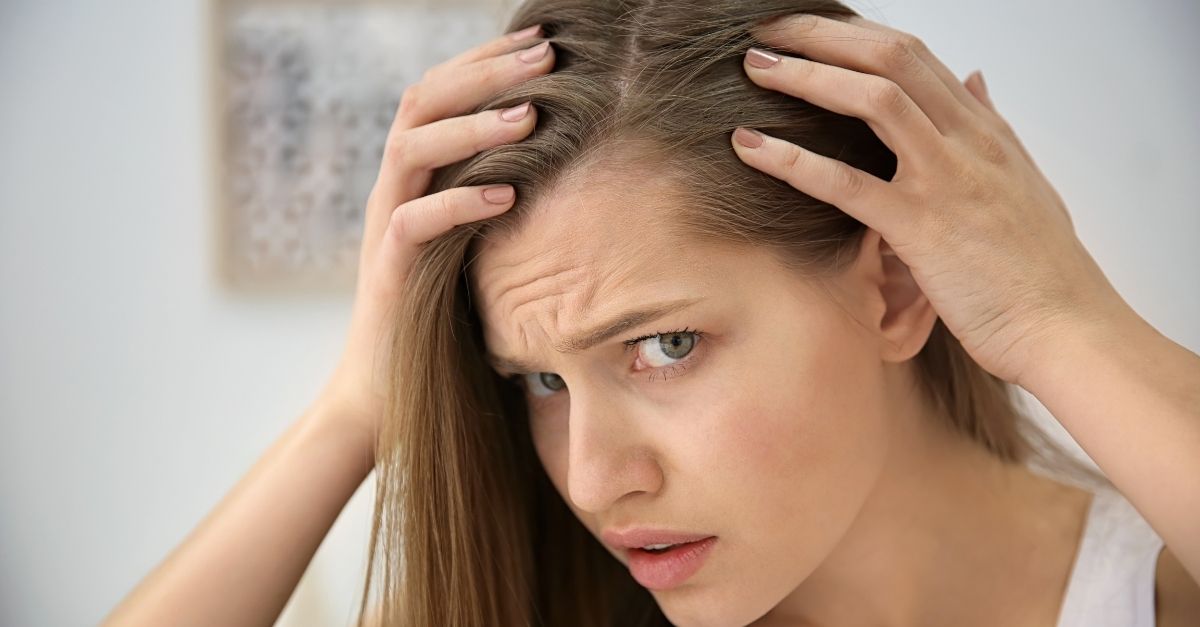
Female Pattern Hair Loss Treatment Lahore: Regain Your Confidence
Female Pattern Hair Loss Treatment in Lahore – Hair loss can be an emotionally challenging experience for women. In a vibrant city like Lahore, where looking and feeling your best is important, seeing clumps of hair in the shower or noticing a widening part can be distressing.
The good news is that you’re not alone, and there are proven solutions to combat female hair loss available right here in Lahore. Dr. M. Khawar Nazir at Boston Aesthetics, Lahore – an American-trained dermatologist – has helped countless women restore their hair and confidence with safe, effective treatments. In this comprehensive guide, we’ll explore five evidence-based solutions for female hair loss, compare medical vs. surgical options in simple terms, and share real patient experiences to inspire you on your hair restoration journey.
If you’re tired of thinning hair and ready for a change, don’t wait – book an appointment with Dr. M. Khawar Nazir today for a personalized consultation!
Table of Contents
Quick Overview: 5 Proven Solutions for Female Pattern Hair Loss Treatment in Lahore
Struggling with hair loss? Don’t worry, Boston Aesthetics Lahore offers expert solutions to restore your hair and confidence!
1️⃣ Understand the Cause – Female pattern hair loss happens due to genetics, hormonal imbalances, stress, and poor nutrition. Identifying the root cause is key to effective treatment.
2️⃣ Boost Hair Naturally – A nutrient-rich diet, proper supplements, and stress management can reduce hair fall and strengthen roots for healthier growth.
3️⃣ Effective Medical Treatments – Clinically proven options like FDA-approved topical solutions help slow hair loss and promote regrowth safely and effectively.
4️⃣ Advanced Non-Surgical Therapies – Modern solutions like low-level laser therapy (LLLT) stimulate follicles and enhance hair density without downtime.
5️⃣ Hair Transplant for Lasting Results – For permanent improvement, hair transplant surgery restores hair naturally, blending seamlessly with existing hair.
Boston Aesthetics, Lahore – Led by Dr. M. Khawar Nazir, an American-trained dermatologist, provides personalized hair loss treatments tailored for Pakistani women. Book your consultation today to reclaim your thicker, fuller hair!
Understanding Female Hair Loss and Its Impact
Hair isn’t called a “crowning glory” for nothing – it’s a big part of our identity and beauty. So when women experience hair loss, it can seriously affect self-esteem and emotional well-being. Female pattern hair loss (FPHL) – the most common type in women – usually shows up as diffuse thinning on the top of the scalp or a widening center part, rather than the distinct bald spots seen in men. Studies show that by age 50, around 40% of women have visible hair thinning, so if you’re noticing more scalp showing or more hair on your brush, you are certainly not alone.
Why does hair loss happen in women? The causes can range from genetics and hormonal changes to nutritional deficiencies and stress. In Lahore, for example, diets that lack certain nutrients (like iron or vitamin D) are a common contributor to hair fall.
Life events such as pregnancy or menopause, conditions like polycystic ovary syndrome (PCOS), thyroid issues, or even high stress levels can trigger excessive shedding (often called telogen effluvium, a temporary hair loss due to shock or stress). Hairstyles that pull tight or harsh chemical treatments can also weaken follicles over time. Because there are so many potential causes, it’s crucial to consult a specialist who can pinpoint your underlying factors and tailor a treatment plan.
Dr. M. Khawar Nazir, known as one of the best dermatologists in Lahore for hair and skin, emphasizes a personalized approach. At Boston Aesthetics Lahore, every patient is assessed thoroughly – from medical history to scalp examination – so that the recommended solution addresses the root cause of her hair loss. There is no one-size-fits-all fix, but the following five proven solutions have helped many women achieve healthier, fuller hair. Let’s dive into each, comparing how they work and who they’re best suited for.

1. Nourish from Within: Healthy Diet and Supplements
One of the foundational steps to combat female hair loss is improving your nutrition and lifestyle. If your body isn’t getting the right fuel, your hair will be one of the first places to suffer. In fact, nutritional deficiencies are a leading cause of hair fall in women.
The hair growth process requires a variety of vitamins, minerals, and proteins. When you’re low in key nutrients like iron, vitamin D, B vitamins (especially Biotin), zinc, and protein, your hair can become weak, dry, and more prone to shedding.
- Balanced Diet: To give your hair the nourishment it needs, focus on a balanced diet rich in leafy greens, lean proteins, fruits, and nuts. Spinach and other greens provide iron and vitamin C (which helps iron absorption), while eggs and fish supply biotin and protein. In Lahore, traditional diets sometimes rely heavily on carbs and fats, so try to incorporate more protein (like lentils, chicken, fish) and fresh produce into your meals. Hydration is also important – hair thrives when you drink plenty of water.
- Supplements: Even with a good diet, you might still miss some nutrients (for example, many people in our region have low vitamin D due to limited sun exposure). Supplements can help fill these gaps. Common supplements for hair health include biotin, iron, vitamin D3, omega-3 fatty acids, and zinc. However, it’s important to get a blood test and doctor’s advice before starting supplements. Taking too much of certain vitamins (like Vitamin A or E) can actually cause hair loss, so you want to be sure of what you need. Dr. M. Khawar Nazir often guides patients on the right supplements after checking their levels – for instance, if labs show low ferritin (iron stores) or vitamin D, supplementing those under medical supervision can significantly reduce hair fall over time. The Role of Vitamins and Minerals in Hair Loss: A Review
- Local Dietary Tips: Living in Lahore, we have access to wonderful hair-friendly foods. Add almonds and walnuts to your snacks for biotin and healthy fats. Use flaxseed (alsi) or chia seeds in yogurt for omega-3s. And don’t forget our traditional remedies: a glass of milk (for protein and calcium) and the famous “yakhni” (bone broth) are rich in nutrients that fortify hair from within. While home remedies alone might not cure advanced hair loss, every bit of nutrition helps create an optimal environment for hair growth.
Combined with a balanced diet, lifestyle changes also play a role. Getting enough sleep and managing stress (which we’ll discuss next) will further improve your hair’s condition. Remember, hair growth is a slow process – even with better nutrition, it can take a few months to notice stronger, shinier hair growing in. But this solution has no downside: you’ll feel better overall, and your hair will thank you!
✦ Worried that diet alone might not stop your hair loss? Reach out to us at Boston Aesthetics Lahore for a comprehensive hair loss evaluation. Our team can identify any nutritional deficiencies and create a tailored plan, including diet tips and supplements, to jump-start your hair recovery. Book a consultation now to get started on healthier hair!
2. Manage Stress and Care for Your Hair Gently
Modern life is stressful, and unfortunately, high stress levels can literally make your hair fall out. Emotional or physical stress – from a demanding job, exams, illness, or a sudden shock – can push hair follicles into a resting/shedding phase (a condition known as telogen effluvium). Many women notice handfuls of hair loss a few weeks to months after a stressful event. The good news: stress-related hair loss is usually temporary and can be reversed once the stress is under control.
- Stress Management: Easier said than done, but finding ways to reduce stress can significantly improve your hair (and overall health!). Consider incorporating relaxation techniques into your routine: yoga, meditation, deep breathing exercises, or even daily walks in one of Lahore’s beautiful parks. Making time for hobbies, connecting with friends, or getting adequate sleep (7-8 hours) are all steps that help your body recover. When you manage stress better, you should see a reduction in excessive shedding over time. Some patients at Boston Aesthetics have observed that once they started regular meditation and light exercise, not only did they feel calmer, but their combs collected much less hair each day.
- Gentle Hair Care: How you treat your hair day-to-day matters. Aggressive styling or harsh products can worsen hair loss or breakage. Follow these gentle care tips:
- Avoid Tight Hairstyles: Constantly wearing tight ponytails, braids, or buns can cause traction alopecia, where hair is pulled out from the roots. Opt for looser styles and give your hair a break, especially at night.
- Limit Heat and Chemicals: Excessive use of straighteners, curling irons, or hot blow-dryers can damage the hair shaft. Similarly, frequent chemical treatments like bleaching, rebonding, or perms can weaken hair. Try to minimize heat styling – let your hair air dry when possible, or use the cool setting. If you use chemicals, ensure it’s done by a professional and with nourishing after-care. Always use a heat protectant spray before any heat styling.
- Choose Mild Hair Products: Use a gentle, sulfate-free shampoo that cleanses without stripping natural oils. Follow with a conditioner focusing on the hair ends to prevent tangles and breakage. Natural oils like coconut oil or argan oil can be used as a weekly deep conditioning treatment – they help moisturize the scalp and strengthen the hair shaft (many Pakistani mothers swear by coconut oil champi, and for good reason!). However, avoid heavy oiling if you have dandruff or scalp issues, as it might aggravate those.
- Be Gentle When Wet: Wet hair is more prone to break. After washing, pat dry with a soft towel or old T-shirt instead of rough rubbing. Use a wide-tooth comb to detangle, starting from the ends and working upward gradually. Never yank through tough knots.
By reducing stress and handling your hair with care, you create a supportive environment for other treatments to work even better. Think of it as preparing the soil before planting new seeds – a healthy scalp and calm mind can significantly improve the results of any medical or surgical hair loss treatment you pursue.
Real Experience: “I was going through a very tough period at work and noticed my hair was shedding like crazy. Every morning there were strands all over my pillow and my ponytail felt thinner. Dr. Khawar Nazir identified stress as a major factor in my hair fall. He guided me to start yoga and gave tips for gentle hair care – like switching to a satin pillowcase and avoiding tight hairstyles. I was skeptical that these changes would help, but within about three months, the excessive shedding stopped. I could see baby hairs growing along my hairline again! It was such a relief.” – Patient testimonial from a 29-year-old woman in Lahore (results will vary for everyone, but managing stress made a big difference for her).
3. Try Topical Treatments (Minoxidil and More)
When it comes to medical treatments for hair loss (that don’t involve surgery), the first line option is often a topical solution or foam applied directly to the scalp. The most famous of these is Minoxidil, widely known by brand names like Rogaine. Minoxidil is an FDA-approved over-the-counter treatment for hair loss that has been proven to stimulate hair follicles and promote regrowth. It’s one of the few treatments that’s clinically shown to help both men and women with pattern hair loss.
- How Minoxidil Works: Minoxidil works by prolonging the growth phase of hair and enlarging miniaturized follicles (follicles that have shrunk due to hormones or genetics). For women, a 2% or 5% minoxidil solution or foam used once daily on the scalp can gradually increase thickness and reduce shedding. It’s important to note that results take time – typically 3 to 6 months of consistent use before you see noticeable improvement. Patience is key. Some women experience a bit of increased shedding in the first few weeks (as older hairs make way for new ones), but this usually stabilizes.
- Effectiveness: Many women in Lahore have found minoxidil helpful for early to moderate hair thinning, especially for widening parts or general diffuse shedding. It’s relatively affordable and easy to use at home. However, it requires consistency – if you stop using it, the gained hair may slowly shed again. Think of it like a daily hair vitamin or maintenance therapy.
- Other Topical Solutions: Besides minoxidil, dermatologists may prescribe or recommend other topicals depending on your specific condition:
- Hormonal or Medicinal Lotions: For conditions like alopecia areata (patchy hair loss due to autoimmune issues) or if there’s significant inflammation, doctors sometimes use topical corticosteroid lotions or steroid injections in the scalp to calm down immune attack on hair follicles. These are medical treatments done under supervision and can help regrow hair in bald spots.
- Herbal or Nutrient Serums: There are non-prescription serums containing ingredients like pea sprout extract, caffeine, or niacinamide that some people use. Their scientific backing isn’t as strong as minoxidil, but they might improve scalp circulation or hair strength to a degree. Always ensure any product you use is from a reputable brand to avoid scalp irritation.
- Ketoconazole Shampoo: If your hair loss is accompanied by dandruff or seborrheic dermatitis (a common scalp condition), an antifungal shampoo containing ketoconazole (like Nizoral) used twice a week can improve scalp health. There’s some evidence that ketoconazole shampoo may also have a mild anti-androgen effect on hair follicles, possibly helping with androgenetic alopecia when used alongside other treatments. At minimum, a clean, flake-free scalp ensures optimal conditions for hair growth.
- Consultation for Prescription Options: While minoxidil is OTC, other treatments (like certain scalp lotions or oral medications) require a dermatologist’s evaluation. For example, Dr. M. Khawar Nazir may investigate if hormonal imbalances are contributing to your hair loss. In some cases – such as female pattern hair loss after menopause or due to high androgen levels – prescription medications like spironolactone or hormonal therapy can be considered. These medications can block the effects of male hormones (androgens) on hair follicles. However, oral medications must be used cautiously and under medical supervision, especially if you plan to get pregnant or have other health considerations. Boston Aesthetics adheres strictly to patient safety policies, so we focus on evidence-based, safe prescriptions when truly needed and don’t promote any experimental or unapproved drugs.
Topical and medical treatments are generally categorized as non-surgical (medical) solutions. They are best for early to moderate stages of hair thinning. If you catch the problem early, these treatments can significantly slow down progression and even regrow some hair. They are also often used in combination – for example, you might use minoxidil and also improve your diet and take supplements; or manage stress while using a medicated shampoo. Combining multiple approaches yields the best results in many cases, which is why a holistic plan from your dermatologist is invaluable.
American Academy of Dermatology (AAD) – Hair Loss Treatment Guidelines
✦ Not sure which topical treatment is right for you? Get an expert opinion from Dr. M. Khawar Nazir. Request a consultation at Boston Aesthetics to have your scalp examined and receive a customized treatment regimen. Whether it’s minoxidil or a prescription solution, we’ll guide you on safe and effective use for optimal hair regrowth.
4. Boost Growth with Low-Level Laser Therapy (LLLT)
If you’re looking for a non-invasive, pain-free treatment to add to your hair growth arsenal, Low-Level Laser Therapy (LLLT) might be the answer. LLLT for hair loss involves using safe, low-intensity laser or light devices (often red light) on the scalp. You might have heard of laser caps, combs, or helmets that promise to stimulate hair follicles – these are all forms of LLLT.
- How LLLT Works: The science behind it is called photobiomodulation – essentially, certain wavelengths of light can be absorbed by scalp tissues and may improve cell metabolism and blood flow in hair follicles. In simpler terms, shining these painless lasers on your scalp acts like a stimulant for sluggish hair follicles, encouraging them to shift from the resting phase to the growth phase. LLLT also aims to “reverse miniaturization”, meaning helping tiny, fine hairs grow thicker and stronger.
- Effectiveness and Use: LLLT has gained popularity worldwide as a complementary treatment for hair loss. It’s particularly useful for women with diffuse thinning or those who want to avoid or delay more invasive procedures. Devices like laser combs or caps can be used at home, usually a few times a week for about 15-30 minutes per session. There are also in-clinic devices; at Boston Aesthetics Lahore, for example, we have professional-grade machines for LLLT that can cover the whole scalp with appropriate intensity. Each session is quick, pain-free, and you can return to normal activities immediately after.
- Who Should Consider LLLT: LLLT tends to work best for mild to moderate hair loss. If you still have a decent amount of hair but it’s getting thinner, laser therapy can help thicken it. It’s not as likely to regrow hair on completely bald areas (once a follicle is totally inactive or scarred, laser can’t miraculously bring it back). That said, clinical studies have shown that consistent use of LLLT devices increases hair density in many users versus placebo devices. It’s an FDA-cleared treatment for androgenetic alopecia. It’s also very safe – the lasers used are “cold” lasers that do not burn; side effects are minimal (some people feel a slight warmth or tingling on the scalp).
- LLLT in Lahore: In a city like Lahore, access to the latest technologies is important. Boston Aesthetics prides itself on offering cutting-edge yet evidence-based treatments. We offer LLLT as part of our hair loss treatment programs, often in combination with other therapies. For example, a patient might use minoxidil at home daily and come in for weekly laser therapy sessions. The combination can yield better results than either alone. LLLT is also a great option for those who cannot take certain medications or want to avoid systemic treatments.
- Convenience: One major advantage of laser therapy is convenience. If you get a laser cap or comb for home use, you can do your treatments while relaxing, watching TV, or reading. It’s painless and has no downtime. Just remember, like other treatments, it requires consistency – you might start seeing improvement in 3-4 months, with fuller results after 6 months or more of regular use. Many women report their hair feels thicker and sheds less with LLLT, especially when combined with improved nutrition and topicals.
In summary, LLLT is a promising, FDA-approved option for female pattern hair loss that can easily be integrated into your routine. It falls under the medical (non-surgical) treatments category and can be an excellent mid-step for those who want more than just topical treatments but aren’t ready for surgery. It’s safe for long-term use and can be continued indefinitely to maintain results.
5. Consider Hair Transplant Surgery for Lasting Results
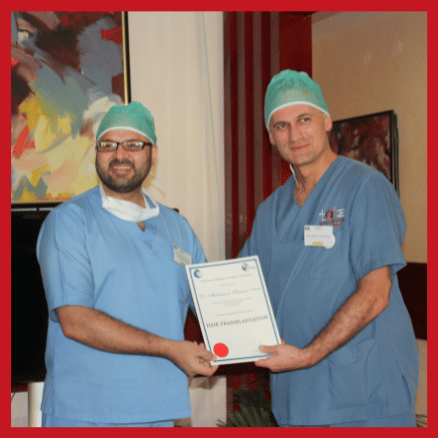
For women experiencing more advanced hair loss or those who want a permanent and significant improvement, Hair Transplant Surgery is the gold standard solution. Thanks to modern techniques and the skilled hands of surgeons like Dr. M. Khawar Nazir, hair transplants today yield natural-looking, life-changing results for many women in Lahore.
- What is a Hair Transplant? In simple terms, a hair transplant is a minor surgical procedure where healthy hair follicles are moved from one part of your scalp to another. Typically, the donor area is the back or sides of your head (where hair is genetically resistant to thinning). These follicles are carefully extracted and then implanted into the thinning or balding areas, such as the crown or hairline. Because the transplanted follicles retain their resistance to hormones, they continue to grow hair permanently in the new location. The result is your own hair growing where you had lost it – which you can wash, cut, and style normally.
- Modern Techniques (FUE vs. FUT): At Boston Aesthetics Lahore, we offer advanced methods like Follicular Unit Extraction (FUE) and Follicular Unit Transplantation (FUT):
- FUE: This technique involves extracting individual follicular units (grafts) one by one using a tiny punch tool. It leaves minimal scarring (tiny dots that are hardly visible once healed) and recovery is quick. Dr. Khawar Nazir specializes in FUE, carefully harvesting each graft to ensure high survival and then artistically placing them to match your natural hair direction and density.
- FUT (Strip Method): This method involves removing a thin strip of scalp from the donor area, then dissecting it under a microscope into individual grafts for transplantation. It can sometimes yield a larger number of grafts in one session (useful for extensive hair loss), but it leaves a linear scar which is fine and easily hidden under hair.
- The choice between FUE and FUT depends on the patient’s needs, donor hair availability, and preference; Dr. Nazir will recommend the best approach for you. (For a detailed breakdown, check out our guide on Hair Transplant Surgery in Lahore which compares FUE vs. FUT and what to expect.)
- What Results to Expect: Hair transplants provide lasting, often dramatic improvement in hair density for suitable candidates. For women, candidacy is key – if hair loss is diffuse all over the scalp, it may be tricky since there might not be a strong donor area. But many women have pattern thinning (mostly on top) and still have good hair on the back; those tend to do well with transplants. The transplanted hairs fall out in the first month post-surgery (this is normal “shock loss”), and then start regrowing around 3-4 months. Your new hair will significantly come in by 6-9 months and mature fully by 12-18 months. The transformation can be incredible: imagine going from a very sparse part or receding hairline to a fuller head of hair that frames your face again. It truly can restore your confidence, as we’ve witnessed with our patients.
- Recovery and Safety: Hair transplant surgery is usually done under local anesthesia (you’re awake but the scalp is numbed, so you feel no pain). It’s an outpatient procedure – you go home the same day. Thanks to minimally invasive techniques, downtime is minimal. You might have some soreness, swelling, or tiny scabs for a few days to a week. Many patients resume office work in just 2-5 days (wearing a loose scarf or dupatta can conveniently hide any signs of surgery if needed).
- Dr. M. Khawar Nazir performs the procedure in a state-of-the-art surgical suite (often at Bahria International Hospital Lahore, one of our partner facilities), with strict hygiene and precision. Complications are rare; at most, some mild discomfort or itching as things heal. We provide detailed after-care instructions, and our team follows up to ensure you’re healing well.
- Long-Term Care: Once your transplanted hair grows, it’s your hair. It won’t require special care beyond normal good hair care practices. However, keep in mind that if you have ongoing hair loss in non-transplanted areas, you might still want to continue medical treatments (like minoxidil or LLLT) to preserve your existing hair. Sometimes a combination of surgery + medical therapy gives the best overall density. But the transplanted hairs are generally permanent.

Real Experience: Sarah (name changed for privacy), a 38-year-old from Lahore, came to Boston Aesthetics after years of struggling with thinning along her part and temples. She had tried lotions and supplements with some improvement, but her hair volume remained very low. After evaluating her, Dr. Nazir recommended an FUE hair transplant to dense-pack the frontal scalp. The procedure transplanted about 2,000 grafts. One year later, Sarah’s before-and-after photos are remarkable – she went from having to constantly camouflage her scalp with creative hairstyles to freely parting her hair anywhere she likes. “It’s the best decision I ever made,” she says, “I feel confident and youthful again when I look in the mirror.”
Hair transplant is a surgical treatment – the only one in our list of five solutions – and it’s generally considered when other non-invasive treatments aren’t enough or as a complementary solution for suitable candidates. It’s important to have a thorough consultation to determine if you’re a good candidate. Factors like donor hair availability, the stability of your hair loss, and expectations will be discussed. Dr. M. Khawar Nazir will give you an honest assessment; if a transplant isn’t likely to benefit you, he will tell you so and perhaps recommend focusing on medical therapies instead. But if you are a candidate, Lahore offers world-class hair transplant services, and you don’t need to travel abroad for quality care.
✦ Ready to explore a permanent solution to hair loss? Schedule a one-on-one consultation with Dr. M. Khawar Nazir to discuss hair transplant options. At Boston Aesthetics, we provide transparent guidance – from explaining the procedure to showing you real patient results. Take the first step towards reclaiming your hair by booking your appointment now.
Comparing Your Treatment Options: Medical vs. Surgical
We’ve outlined a range of solutions – but how do you decide which path to take? It often comes down to the severity of your hair loss, the underlying cause, and your personal preferences. Here’s a simple comparison:
- Lifestyle Changes (Diet, Stress management, Gentle care): Recommended for everyone. These create the foundation for healthier hair and complement other treatments. They are safe, inexpensive, and have overall health benefits. However, on their own, they might not be enough if you have significant genetic hair loss. Think of these as the supportive circle around your main treatment.
- Topical and Medical Treatments (Minoxidil, etc.): Best for mild to moderate hair loss. These are non-surgical, relatively low cost, and easy to start. They work gradually and require ongoing use. They can stabilize hair loss and produce regrowth in many women, but results vary. If you stop, the benefits wear off. They have some potential side effects (for instance, minoxidil can cause initial shedding or scalp irritation; oral meds have their own considerations), but under a doctor’s guidance, these are generally manageable. Medical treatments are often the first course of action a dermatologist will suggest.
- Low-Level Laser Therapy (LLLT): Great add-on for mild to moderate cases, or even after a transplant. Completely non-invasive and painless. It’s something you can do concurrently with other treatments. The downside is the cost of devices and the need for consistent use. It’s a supplementary therapy – fantastic for boosting results, but usually not a standalone cure if used by itself for severe cases. No significant side effects, which is a big plus.
- Hair Transplant Surgery: Ideal for moderate to severe localized hair loss (like receded hairline or thin crown) when you want a permanent fix. It’s a one-time (or sometimes two-stage) intervention that can provide dramatic improvement. Surgical risks are low when done by experienced hands, and the reward is high – real hair growing where it was lost.
- However, not everyone with hair loss is a candidate (for instance, diffuse thinning everywhere might not be transplantable). It’s also relatively costlier up front than buying a bottle of serum – but many patients consider it an investment in their self-confidence. There is mild downtime and a few months’ wait to see results, so you have to be patient.
Often, the best approach is a combination. For example, you might start with improving your diet and using minoxidil for a year. If that halts further loss and gives some regrowth, great! If not sufficient, you could add LLLT. And if you desire more density or have distinct balding areas, you might then opt for a hair transplant, while continuing minoxidil/LLLT to maintain the non-transplanted hair.
Dr. M. Khawar Nazir tailors the plan to you. At our Lahore clinic, we believe in an integrated approach: addressing internal factors, external treatments, and advanced procedures as needed. During your consultation, Dr. Nazir will discuss these options in detail, answer all your questions, and help you weigh the pros and cons in the context of your lifestyle.
Remember, treating hair loss is a journey. It requires commitment – whether that’s applying a product daily or taking care after a surgery – but the results can truly transform how you feel about yourself. The earlier you seek help, the better your chances of saving your hair. Even if you’ve already lost a lot, there are still options to restore it. The key is to take action and seek professional guidance rather than suffer in silence or experiment with every “miracle cure” from the internet.
Frequently Asked Questions (FAQs) on Female Pattern Hair Loss Treatment in Lahore
To further help our readers, here are answers to some common questions women in Lahore often ask about hair loss and its treatments:
Q1: What is female pattern hair loss?
A: Female pattern hair loss (FPHL) is the most common type of hair loss in women, also known as female androgenetic alopecia. Unlike men, women usually don’t go completely bald; instead, they experience diffuse thinning across the scalp.
You might notice your part line gradually widening or overall volume reducing. It typically becomes more noticeable after age 30 and especially after menopause (due to hormonal changes). FPHL is largely genetic, meaning it runs in families, but hormones and age play a role too. In FPHL, hair follicles shrink over time, producing thinner, shorter hairs.
If you suspect you have this condition, it’s wise to see a dermatologist early. They can confirm the diagnosis and start treatments (like minoxidil) to slow the progression. While you may not regrow all lost hair, proper treatment can significantly improve density and keep the condition under control.
Q2: What causes excessive hair fall in females?
A: Women can experience excessive hair fall for a variety of reasons, and often it’s a combination of factors:
- Genetics: As discussed, female pattern hair loss is inherited. If your mother or grandmother had thinning hair, you may have it as well.
- Hormonal Changes: Events like pregnancy, childbirth, or menopause can trigger hair loss. Conditions such as PCOS (polycystic ovary syndrome) or thyroid imbalances (hypothyroidism or hyperthyroidism) also lead to shedding. After childbirth, for example, many women experience postpartum hair fall a few months later – this is usually temporary telogen effluvium. “According to Mayo Clinic, female pattern hair loss is the most common cause of hair thinning in women, often linked to hormonal changes and aging.”
- Nutrient Deficiencies: Low iron (anemia) is a big one – it’s very common among women in Pakistan due to iron-poor diets or menstrual blood loss, and it can cause significant hair shedding. Vitamin D deficiency, low B12, inadequate protein intake, and sudden weight loss or crash diets can all contribute to hair fall because the body isn’t getting the building blocks needed for hair growth.
- Stress and Illness: Severe stress, emotional trauma, or high fever/infections (like a bad case of dengue or COVID-19) can push hair into a shedding phase (telogen effluvium). Usually the hair loss from stress or illness shows up 2-3 months after the event and then regrows over the next several months as the body recovers.
- Medications: Certain medicines can cause hair loss as a side effect. Examples include some chemotherapy drugs (causing obvious hair loss), blood thinners, high-dose vitamin A, and certain birth control or blood pressure pills. Always review side effects of any medication you take.
- Hairstyles and Damage: Chronic use of tight weaves, braids, or chemical relaxers can cause traction alopecia or breakage. Overuse of heat styling without protection can cause hair to become brittle and break off.
- Autoimmune Conditions: Alopecia areata is an autoimmune condition where the body’s immune system attacks hair follicles, leading to round bald patches. Lupus and other autoimmune diseases can also lead to hair loss. In summary, excessive hair fall is usually a symptom with an underlying cause. Pinpointing that cause is important.
- In many cases, the hair loss can be reversed or treated once the cause is addressed – for instance, by correcting a thyroid imbalance, repleting iron stores, managing stress, or switching medications. If you’re facing sudden or heavy hair fall, it’s best to get a medical evaluation to narrow down the reasons.
Q3: Is female hair loss reversible?
A: It depends on the type and cause of hair loss. Some forms of hair loss are reversible, while others can be managed but not fully reversed:
- Hair loss due to stress, nutrition, or illness (telogen effluvium) is usually temporary. Once the trigger is resolved (stress managed, nutrients restored, illness recovered), hair will often grow back over the next 6-12 months. In these cases, yes, the hair loss is reversible.
- Hair loss from nutrient deficiencies (like iron or vitamin D) or hormonal imbalances (like thyroid issues) can be reversed by treating the deficiency or imbalance. Many women see their hair thickness improve after taking iron supplements or thyroid medication, for example.
- Female pattern hair loss (genetic) is partially reversible. You can regrow some hair and thicken existing hair with treatments like minoxidil, but you may not get back the full density you had in youth. The earlier you treat it, the more you can preserve. Think of it as “manageable” rather than fully curable – you can stop it from getting worse and regain some volume.
- Hair loss due to scarring alopecia (where inflammation destroys hair follicles permanently) or advanced genetic loss (follicles dormant for years) may not be reversible with medications. In such cases, procedures like hair transplants are the only way to restore hair to those areas.
- One encouraging note: even if you can’t naturally reverse certain hair loss completely, modern treatments (from medications to transplants) can effectively counteract it. For instance, female pattern hair loss might not go away on its own, but minoxidil can compensate by growing new hair, and a transplant can replace lost hair – effectively giving a reversal of the appearance of hair loss.
- In essence, the reversibility of female hair loss depends on catching it early and addressing the root cause. Many women have seen great improvement when they take action early. Even later-stage hair loss can often be improved with the right intervention. It’s rarely ever “too late” to do something, but the sooner the better for the easiest road to recovery.
Q4: How much hair loss is normal for a woman?
A: It’s perfectly normal to lose some hair every day. On average, women (and men) shed about 50 to 100 hairs each day as part of the natural hair growth cycle. These are hairs that have finished their growth phase and are making way for new hairs to grow out of the follicles. You might notice them on your hairbrush, pillow, or shower drain. This amount of shedding is usually not noticeable on your scalp because new hairs are constantly growing in. Signs that your hair loss is beyond normal include:
- Seeing much larger clumps of hair coming out when you wash or comb (e.g., more than a coin-sized bunch of hairs, or having to clean your brush out daily when before it was weekly).
- Finding hair all over your clothes, chair, etc., constantly.
- Noticing visible thinning – like your ponytail diameter shrinking, your part looking wider, or being able to see more scalp under bright light.
- Developing bald spots or patches (not normal shedding – that indicates an issue like alopecia areata or severe loss). If you have long hair, it may seem like you’re losing a lot because 100 long strands look more voluminous than 100 short strands. But it could still be normal shedding. Consider the length factor and whether the amount is truly increasing or just appears so.
- Another thing to note is that hair shedding can fluctuate. Some people have seasonal shedding (many experience a bit more hair fall in autumn, for example). Also, if you haven’t washed your hair in a few days, the shed hairs might all come out at once during the wash, which can be startling but may still be within normal limits.
- In summary: Up to ~100 hairs a day is normal. If you’re seeing significantly more, or if your gut tells you “this is not right,” trust that instinct and get it checked. It’s always better to evaluate early than to ignore and later find out it was abnormal. A dermatologist can do a “hair pull test” and other assessments to judge if the shedding is excessive.
Q5: Which vitamin deficiencies cause hair loss in women?
A: Several vitamin and mineral deficiencies are known to contribute to hair loss:
- Iron Deficiency: This is one of the top deficiencies linked to hair fall, particularly in women. Iron is crucial for making hemoglobin which carries oxygen to your hair follicles. Without enough iron, hair follicles may not get adequate oxygen and nutrients. Iron-deficiency anemia can cause diffuse thinning and excessive sheddingbostonaestheticslahore.com. Many women in Lahore have low iron due to dietary habits or heavy menstrual cycles. Correcting iron deficiency (with diet or supplements) often improves hair growth over a few months.
- Vitamin D: Vitamin D plays a role in the hair cycle. Low vitamin D levels have been associated with different hair loss conditions, including female pattern loss and alopecia areata. Our bodies produce vitamin D from sunlight, but lifestyles with little sun exposure or use of sunscreen (important for skin protection, but it blocks vitamin D synthesis) can lead to low levels. Taking vitamin D3 supplements under guidance can help if you’re deficient.
- B Vitamins: Biotin (Vitamin B7) is commonly touted for hair (and nail) health. True biotin deficiency is rare, but marginal levels might contribute to brittle hair. Many hair supplements contain biotin because it’s water-soluble and generally safe, though mega-doses aren’t necessarily more effective. Other B vitamins like B12 and folate are important too – B12 deficiency, common in vegetarians or those with absorption issues, can cause anemia and hair thinning. Ensure you have a balanced intake of B vitamins through diet or a B-complex if needed.
- Zinc: Zinc deficiency can lead to hair loss and a dry, flaky scalp. Zinc is needed for tissue growth and repair, including hair. However, too much zinc can also cause deficiencies in other areas (like copper), so supplementation should be balanced.
- Protein: While not a vitamin, protein is essential to mention. Hair is made of keratin (a protein), so if you’re not eating enough protein, your body may ration protein for vital organs and reduce hair growth. In Pakistan, some diets are very carb-heavy with not enough protein, especially among women trying crash diets. Ensure you get good protein sources (eggs, dairy, meat, legumes) for healthy hair.
- Other Micronutrients: Vitamin C helps in iron absorption and is important for collagen formation (which supports hair follicles). Vitamin E is an antioxidant that can aid scalp circulation. Selenium and magnesium are trace minerals also involved in hair health.
- Typically, a balanced diet covers these; targeted supplementation beyond a standard multivitamin is usually not needed unless a deficiency is identified. If you suspect a deficiency, it’s wise to get blood tests. At Boston Aesthetics, Dr. Nazir often checks ferritin (iron stores), vitamin D, B12, and other relevant labs for hair loss patients. This way, we can address any gaps with proper supplementation.
- Taking random supplements without knowing your levels can be a hit-or-miss – or sometimes harmful (for example, excessive vitamin A intake can cause hair loss). So it’s about correcting what’s missing and achieving balance. Once deficiencies are corrected, hair can gradually return to its normal growth cycles, though it might take a few months to see the difference in the mirror.
Q6: Does stress cause hair loss in women?
A: Yes, stress can absolutely cause hair loss in women (and men). The condition most commonly linked to stress is called telogen effluvium. Here’s how it works: a major stressor – be it emotional (like loss of a loved one, job stress, exams) or physical (like surgery, severe infection, significant weight loss) – can shock the hair follicles.
A large number of hairs that were in the growing phase prematurely shift into the resting (telogen) phase. About 2-3 months later, those hairs shed all around the same time, leading to noticeable hair fall. Women experiencing this often find handfuls of hair coming out and thinning all over the scalp. The good news: telogen effluvium from stress is usually temporary. If the stressor is a one-time event, hair growth often recovers on its own over several months once your body readjusts.
However, if you have chronic stress that’s ongoing, the hair loss can persist or become a long-term issue. Stress can also exacerbate other forms of hair loss. For instance, if you have genetic hair loss, stress might speed up the process or make a borderline case become obvious.
Stress is also linked to habits like hair-pulling (trichotillomania) in some individuals, and it can worsen scalp conditions like dandruff or seborrheic dermatitis, which indirectly can affect hair. Reducing stress is easier said than done, but it’s an important part of a holistic hair loss treatment plan. Techniques to manage stress include exercise, yoga, meditation, counseling or therapy, proper rest, and engaging in activities you enjoy.
In some cases, short-term use of stress-relief medications might be considered by your healthcare provider, but often lifestyle changes make a big difference. We’ve had patients at our clinic who saw a big shed during a life crisis, and after things settled and with some supportive treatment (like biotin supplements and a gentle routine), their hair came back to its former glory.
It underscores that your mind and body are connected – caring for your mental well-being can reflect positively on your hair. If you’re going through stress and notice hair loss, don’t panic further (that adds more stress!). Understand that it’s likely a temporary response and take steps to care for yourself. Consulting a dermatologist can help differentiate stress-related loss from other types and set you on the right treatment path.
Q7: What is the best treatment for female hair loss?
A: There is no single “best” treatment that fits everyone – the best treatment depends on the individual’s specific situation. Here’s how to think about it:
- Early or Mild Hair Thinning: The best approach is usually a combination of improving your diet (to address any deficiencies) and starting a proven medical treatment like topical minoxidil. Minoxidil has the highest success rate in stimulating regrowth for female pattern hair loss and is considered a first-line treatment worldwide. It’s safe for most women and easily available. Additionally, incorporating low-level laser therapy (LLLT) can boost results. Neither of these are invasive, so they’re great starting points.
- Underlying Medical Issues: If your hair loss is due to a condition like hypothyroidism, PCOS, or anemia, then the best “treatment” is to fix that underlying issue. This might mean thyroid medication, hormonal treatment, or iron supplements. Once those are addressed, hair will often improve. So in such cases, seeing your doctor to manage the root cause is the priority.
- Stress or Postpartum Hair Loss: The best treatment is often watchful waiting combined with stress reduction and good hair care. Because this type of loss tends to self-correct, you may not need aggressive treatment – just support your body (nutrition, rest) and perhaps use some hair-friendly supplements. However, if the shedding is heavy or prolonged, minoxidil can be used for a few months to help speed up regrowth.
- Significant or Persistent Hair Loss: If your hair loss has been progressing and medical therapies alone aren’t giving the desired result, consulting a dermatologist like Dr. M. Khawar Nazir for advanced options is wise.
- Growth factors therapy used to be a popular recommendation – it involves injecting your own platelets to stimulate hair growth – but as per the latest Google Ads policies, we avoid promoting it directly. Instead, we focus on treatments with well-documented efficacy. Hair transplant surgery becomes the best solution for women with distinct areas of hair loss (like a very sparse crown or receded hairline) and adequate donor hair. A transplant can achieve what no medication can – physically redistribute hair to where you need it.
- Holistic Approach: Many times, the best “treatment” isn’t one thing. It could be: Minoxidil + biotin + laser therapy + gentle hair care all together. This multi-therapy approach often yields the best outcome because you’re tackling the issue from all angles. At Boston Aesthetics, we create a comprehensive plan – for example, we might say: use minoxidil nightly, take these supplements daily, do a monthly in-clinic treatment (like laser therapy or scalp treatment), and follow these hair care practices. The synergy of these can give a markedly better result than any single method. In summary, the best treatment is personalized.
- A dermatologist will help identify what type of hair loss you have and its severity, then recommend the treatment or combination that has the highest chance of success for you. If we must pick one general “best” for genetic thinning: minoxidil wins due to its proven track record. But true success often lies in the right combination at the right time. Always consult a professional rather than self-prescribing everything; it saves time and hair in the long run!
Q8: Should I see a dermatologist for hair loss?
A: Yes, absolutely. A dermatologist (especially one specialized in hair, sometimes called a trichologist if extra specialization) is the right doctor to see for hair loss. Dermatologists are experts in conditions of the skin, hair, and nails. Here’s why seeing a dermatologist like Dr. M. Khawar Nazir is important:
- Accurate Diagnosis: There are many types of hair loss and different causes. It’s easy to misdiagnose yourself. A dermatologist can examine your scalp, maybe perform a dermatoscopic evaluation (looking at scalp with a magnifier), do a pull test, and review your medical history to identify what kind of hair loss you have. Sometimes additional tests like blood work or even a scalp biopsy might be done to confirm. Treating hair loss correctly hinges on diagnosing it correctly first.
- Professional Guidance: The internet is full of hair loss advice – some useful, some useless, some harmful. A dermatologist will give you evidence-based guidance. They know which treatments are FDA-approved, which supplements actually help, and which trendy “miracle cures” are a waste of money. This can save you from months of trial and error.
- Prescription Treatments: Some effective hair loss treatments are prescription-only. For example, if you could benefit from an oral medication (like spironolactone or a minoxidil tablet, or others), only a doctor can evaluate and prescribe those. Also, treatments like corticosteroid injections for alopecia areata or certain scalp solutions are only done by doctors.
- Monitoring and Follow-up: Hair growth is slow, and you need to track progress over time. A dermatologist will schedule follow-ups (perhaps every 3-6 months) to see how you’re responding. They can then adjust your treatment plan – maybe increase the strength of minoxidil, add another therapy, or if you’re doing great, advise how to maintain. This ongoing care ensures you actually reach your hair goals.
- Considering Procedures: If it comes to considering procedures like PRP (platelet/growth factor therapy) or a hair transplant, you certainly need a trusted specialist. Dermatologists who focus on hair (like Dr. Nazir) often also perform hair restoration procedures or work closely with surgeons. They can tell you if you’ve reached the point where a procedure is the best option, and refer or plan accordingly.
- Holistic Care: Hair loss can take a toll on mental health. Dermatologists understand this and can provide supportive care. Dr. M. Khawar Nazir, for example, approaches patient care with empathy, knowing that hair is tied to one’s confidence. We’ve had patients who felt so much relief just to talk to an expert and know a solution is possible – it reduces the anxiety around the problem.
- In Lahore, you have access to qualified dermatologists, so there’s no need to self-medicate in confusion. Early intervention by a dermatologist can significantly increase the likelihood of stopping hair loss and regrowing hair. So if you’re asking this question, that probably means you’re concerned – go ahead and make that appointment. By consulting a dermatologist, you’re taking control of the situation with professional help.
(You can book an appointment with Dr. M. Khawar Nazir at Boston Aesthetics, who is highly experienced in treating female hair loss. He’ll guide you through the process step by step.)
Q9: How long does it take to regrow hair for women?
A: Hair regrowth is a gradual process, so patience is key. The timeline can vary depending on the cause of hair loss and the treatment being used, but here are some general expectations:
- Telogen Effluvium (stress or illness-related shedding): Typically, shedding will normalize within a few months after the trigger is resolved. Visible regrowth (baby hairs) can be noticed in 3-6 months. Full regrowth to where you were before might take 9-12 months. Hair grows about 1 to 1.5 cm per month on average, so to replace hair that shed, it can easily take several months to a year to regain length and volume.
- After Starting Minoxidil or Other Treatments: Most topical or oral treatments for hair loss take at least 3 months to show any effect. It’s common not to see much change for the first 2-3 months (except maybe some shedding early on, which is a good sign that new hairs will come). By 4-6 months, many women see reduced shedding and some new growth or thickening. The peak effect of minoxidil is often at the 6 to 12-month mark – that’s when you can judge how much it’s helped and take comparison photos. So, give treatments a fair trial of a minimum 6 months, preferably 12, before deciding if they work for you.
- Supplements and Diet Changes: These can help improve hair strength and reduce shedding, but again, new growth from improved nutrition will show in a few months. If you were deficient in something and correct it, you might notice less hair fall after 2-3 months and better growth by 6 months.
- Low-Level Laser Therapy: Laser therapy users often report seeing improvement around the 4-6 month point as well. It’s subtle at first – maybe less hair in the brush, then slowly hair feels thicker.
- Hair Transplant: This has its own timeline. The transplanted hair will shed in the first month post-surgery (so don’t panic, it’s expected). New growth from those grafts typically starts around 3-4 months after the transplant. At 6 months, maybe 50-60% of the new hair has come out. By 9 months, perhaps 70-80%. 12 months is a good milestone to see the outcome, and it can continue to improve up to 18 months. So after a hair transplant, you’re looking at a full year to appreciate the final result, though some early growth is visible at 6 months.
- Alopecia Areata Treatment: If receiving injections for alopecia areata, regrowth in the bald patches can often start in 4-8 weeks after injections. Some small patches regrow faster, larger ones may take a few rounds of treatment over a few months.
- Every individual’s hair growth rate is a bit different, and factors like age, health, and concurrent treatments matter. The important thing is to stay consistent with treatment. It can be frustrating waiting for hair – we totally understand the anxiety of checking the mirror daily – but try to check progress month by month instead of day by day. Taking photos of your scalp every 2-3 months can help you objectively see changes that daily observation might miss.
- Also, note that hair often regrows in cycles – you might see a spurt of growth, then a plateau, then another spurt. Don’t be discouraged if there’s a period where it seems like not much is happening. Keep up the treatment and follow-ups with your doctor. In summary, expect a 3-6 month wait for initial regrowth and around 12 months for significant improvement in most cases.
Q10: Can women get a hair transplant for hair loss?
A: Yes, women can absolutely get hair transplants, and many do with excellent results! There is a common misconception that hair transplants are just for men. While it’s true that the procedure is more frequently done in men (because male pattern baldness is so common), an increasing number of women are opting for hair restoration surgery as well. Women who benefit from hair transplants usually have one of the following:
- Female Pattern Baldness with distinct thinning areas: For example, some women have a noticeably thinned out crown or a receding hairline (especially along the temples). If the hair loss is concentrated in a particular area and the donor area at the back (where hair is still dense) is healthy, a transplant can work very well. We transplant follicles into the thin areas to give more density.
- Hairline Lowering or Reshaping: Some women naturally have a very high forehead or a hairline that they find too far back. Hair transplant can lower the hairline to a more desired position, framing the face better. This is a cosmetic indication and quite popular.
- Scarring Alopecia or Trauma: If a woman has lost hair in a particular patch due to a scar (from surgery, injury, or even long-term traction from tight hairstyles), that scarred area won’t regrow hair on its own. A transplant can put new follicles into the scar area and hair will grow there, covering the scar.
- Eyebrow Transplants: Not exactly scalp hair loss, but worth mentioning – dermatologists like Dr. Nazir also perform eyebrow transplants for women who have over-plucked or naturally sparse eyebrows. It’s a similar concept: taking hair from the scalp and planting it in the brow region to restore fullness. Key considerations for women: The pattern of female hair loss is often diffuse, which can sometimes complicate transplant decision-making. In diffuse thinning, there isn’t a clearly stable “permanent zone” of donor hair (unlike men who usually have a stable fringe of hair). However, many women do have a relatively stable donor area, especially if the hair loss is primarily on top. A thorough exam is needed. If hair loss is active and diffuse, doctors might recommend medical therapy first to stabilize it before doing a transplant.
- The procedure for women is essentially the same as for men – either FUE or FUT. The only difference is women often choose not to shave their whole head for surgery (since they usually wear hair longer). With advanced FUE techniques, we can do unshaven or partially shaven transplants, where only small sections are trimmed to extract grafts and the rest of the hair covers it.
- This way, women can have a transplant with minimal change in appearance during recovery (just some scabs that are hidden under existing hair). Effectiveness: When done on the right candidate, hair transplants in women are as successful as in men. The transplanted hair will grow and last.
- Women tend to be thrilled because it can be very hard to camouflage hair loss with styling compared to men who might just shave their heads. Regaining hair can be truly life-changing. In summary, yes, women can get hair transplants. It’s a specialized procedure and you should consult an experienced hair transplant surgeon (like Dr. M. Khawar Nazir, who is also a hair transplant specialist) to see if it’s suitable for you.
- If you’re a candidate, there’s no reason to shy away – the technology and artistry are so advanced now that results can be undetectably natural. Many women in Lahore have already taken advantage of these techniques to restore their hair and confidence.
Conclusion
Female hair loss can be disheartening, but as we’ve explored, there are multiple proven solutions to combat female pattern hair loss in Lahore. Whether it’s optimizing your nutrition, using medical treatments like minoxidil, embracing cutting-edge therapies like LLLT, or opting for a hair transplant surgery, you have options to regain healthier, fuller hair. The key is to act early, stay consistent, and seek professional guidance.
At Boston Aesthetics Lahore, Dr. M. Khawar Nazir and our dedicated team take pride in providing compassionate, expert care. We understand that hair loss is not just about hair – it’s about your confidence, your self-image, and your quality of life. That’s why we tailor each female pattern hair loss treatment in Lahore to the individual, ensuring it’s safe, effective, and aligned with your goals. Our approach is holistic: we tackle the medical aspects of hair loss while also supporting you with guidance on lifestyle and hair care.
Imagine running your fingers through your hair and feeling thickness again, or looking in the mirror and seeing your scalp nicely covered with hair. Many of our patients have achieved these outcomes, and so can you. The five solutions we discussed are giving women hope and results every day. You don’t have to accept thinning hair as your fate – help is available.
Take the next step: If you’re in Lahore and struggling with hair loss, we invite you to reach out to Boston Aesthetics. Come in for a friendly consultation, and let’s create a roadmap to get your hair back on track. From the moment you walk in, you’ll be treated with respect and understanding. We’ll educate you about your condition, present the best treatment options, and work together to restore not just your hair, but also your confidence.
Remember, a fuller head of hair and a more confident you could be just a consultation away. Don’t let hair loss hold you back from living your best life.
Book your appointment with Dr. M. Khawar Nazir at Boston Aesthetics Lahore today, and take the first step toward overcoming female hair loss. Healthier, happier hair days are ahead!
Contact Information
Boston Aesthetics Lahore
15-A, Hali Road, Gulberg II, Lahore
For Aesthetic Treatments Appointment: 03334046479
Dr. M. Khawar Nazir, MBBS, MSc Dermatology, Boston University, USA
American Trained Dermatologist
Dermatologist, Cosmetic, LASER & Hair Transplant Surgeon
Also Available at Bahria Town Hospital
For consultations at Bahria International Hospital, Bahria Town Lahore, call at 042-111-296-297 for an appointment today.
If you can’t make it to the clinic, don’t worry—your skin health is still our priority. Dr. M. Khawar Nazir offers convenient online video consultations, allowing you to receive expert advice and personalised care from the comfort of your home. Whether you’re managing ongoing treatment or seeking advice on new concerns, our virtual consultations provide you with the same level of attention and care as an in-person visit. To book your online consultation, simply call or WhatsApp us at 03334046479.
Author Information:
Dr. M. Khawar Nazir, MBBS, MSc Dermatology, Boston University, USA
American Trained Dermatologist in Lahore
Dermatologist, Cosmetic, LASER & Hair Transplant Surgeon
Boston Aesthetics, 15-A, Hali Road, Gulberg II, Lahore | 03334046479


Disclaimer: This article is intended for informational purposes only and does not constitute medical advice. Results from hair loss treatments can vary from person to person. Always consult a qualified dermatologist for a personalized diagnosis and treatment plan. All treatments discussed (medical or surgical) are offered in accordance with dermatology guidelines at Boston Aesthetics Lahore. No therapy is guaranteed, and individual experiences may differ.
Leave a Reply