
Why Isn’t My Acne Going Away Even After Seeing a Dermatologist? Your Questions, Answered.
Authored by Dr. M. Khawar Nazir, MBBS, MSc Dermatology, Boston University, USA | American Trained Dermatologists
Introduction
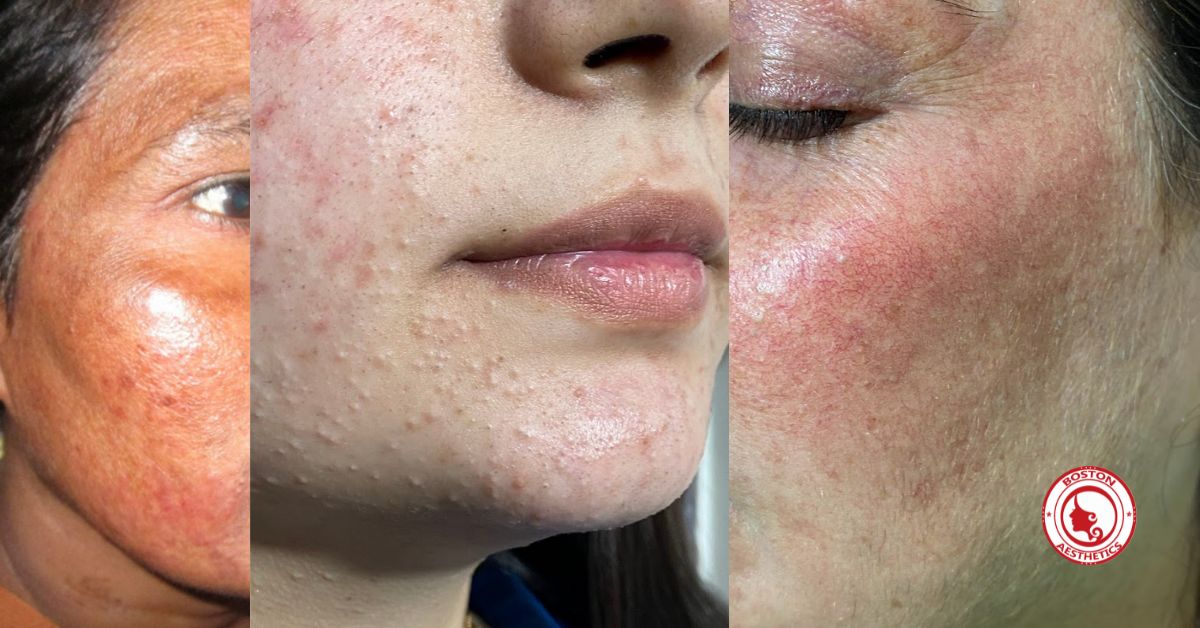
You’ve consulted a dermatologist, followed the treatment regimen to the letter, and yet, your acne refuses to budge. Sound familiar? You’re not alone. Let’s delve into the complexities behind acne treatment failure and what can be done about it.
Multiple Factors Contributing to Acne
Acne isn’t just about clogged pores; it’s a multifaceted condition affected by:
- Hormonal fluctuations
- Diet
- Stress
- Environmental factors like pollution
- Inconsistent or inappropriate skincare routines

Why Your Acne May Worsen During and After Treatment
Aggravation during treatment is not uncommon and can occur for various reasons such as an initial “purging phase,” or due to your skin’s adjustment to new medications. It’s crucial to remain patient and consult your dermatologist for adjustments in your treatment plan.
Why Isn’t My Acne Going Away Even After Seeing a Dermatologist?
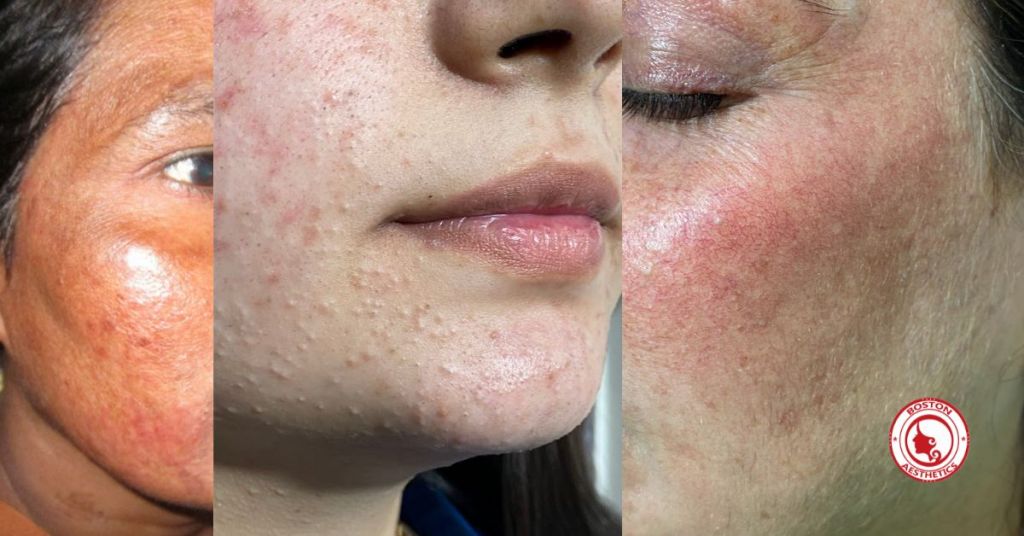
Acne can be frustrating, especially when it seems persistent even after consulting a dermatologist. It’s essential to understand that acne is a complex skin condition influenced by various factors, including hormones, stress, environmental factors, diet, and even unknown variables. Additionally, the role of medications in managing acne often leads to misconceptions, particularly the belief that medicines may worsen acne initially. Let’s dive deep into these aspects to address your concerns.
1. Hormonal Factors
Hormones play a significant role in acne development, especially in teenagers and adults with fluctuating hormonal levels.
- Androgens: These male hormones, present in both men and women, increase sebum (oil) production in the skin. Excessive sebum can clog pores, leading to acne.
- Menstrual Cycle: Many women notice acne flare-ups before their periods due to hormonal shifts.
- Polycystic Ovary Syndrome (PCOS): A common condition in women that causes hormonal imbalances, often leading to persistent acne.
- Stress Hormones (Cortisol): Chronic stress can elevate cortisol levels, worsening acne over time.
Solution:
- Your dermatologist may recommend hormone-regulating treatments like oral contraceptives or anti-androgen medications, which can take several months to show results.
2. Stress Factors
Stress does not directly cause acne but exacerbates existing conditions.
- Impact on Skin Barrier: Stress can weaken the skin’s barrier, making it more susceptible to inflammation.
- Behavioral Impact: Stress may also lead to poor skincare habits, such as touching or picking at the skin, which worsens acne.
Solution:
- Incorporating stress management techniques like mindfulness, yoga, or regular exercise can help reduce flare-ups.
3. Environmental Factors
The environment can play a subtle but impactful role in acne persistence.
- Pollution: Airborne particles can clog pores and trigger inflammation.
- Weather: Humid conditions increase sweat and oil production, while dry weather can irritate the skin and lead to compensatory oil production.
- Cosmetic Use: Products with comedogenic ingredients (those that clog pores) may counteract the effects of acne treatments.
Solution:
- Use non-comedogenic and dermatologist-recommended skincare products.
- Cleanse your skin gently twice daily to remove dirt, sweat, and excess oil.


4. Dietary Factors
While diet’s role in acne is often debated, certain foods can exacerbate it in some individuals.
- High Glycemic Index Foods: Sugary and processed foods can spike insulin levels, increasing sebum production.
- Dairy Products: Milk contains hormones that may trigger acne in some people.
- Fatty or Fried Foods: While not directly causing acne, they may worsen inflammation.
Solution:
- Focus on a balanced diet rich in whole grains, fruits, vegetables, and lean proteins.
- Drink plenty of water to keep your skin hydrated and flush out toxins.
5. Unknown Factors
Sometimes, despite thorough evaluations, no specific cause can be pinpointed. Acne can persist due to:
- Genetic predisposition.
- Skin’s unique response to treatment.
- Hidden lifestyle triggers like pillowcase hygiene, phone screens, or helmet straps.
Solution:
- Be patient and maintain open communication with your dermatologist. They can help you explore additional treatments or lifestyle adjustments.
6. Misconceptions About Acne Medications
Many patients believe that medications increase acne, especially during the initial phases of treatment. This misconception arises due to:
- Purging Phase: Acne medications, especially retinoids, accelerate the turnover of skin cells, bringing hidden blemishes to the surface. This temporary worsening is normal and indicates that the medication is working.
- Inconsistent Use: Skipping doses or inconsistent use of prescribed treatments can lead to incomplete results, making it seem like the medication isn’t effective.
Why Medicines Don’t Cause Acne:
- Acne medications are designed to target underlying causes, such as bacteria (e.g., Cutibacterium acnes), inflammation, or excessive oil production.
- A worsening of acne often reflects the purging phase rather than an adverse reaction.
Solution:
- Stick to your dermatologist’s recommended regimen and follow up regularly.
- Avoid self-medication or abrupt discontinuation of prescribed treatments.
- Infographics in dermatology
- Patient Awareness Campaigns on Steroid-Induced Dermatitis | Boston Aesthetics Lahore
- 5 Proven Ways to Calm Mind & Glow Skin in Lahore
- 5 Steps to Confident Nose Reshaping in Lahore
- 5 Shocking Truths About Lip Laser Rejuvenation
7. Why Patience is Key
Acne treatments take time to work. Most dermatological treatments require at least 6-12 weeks to show significant improvement. Some underlying conditions, like hormonal imbalances, may take even longer to stabilize.
What You Can Do:
- Follow the Plan: Use prescribed medications as directed. Avoid over-the-counter products without consulting your dermatologist.
- Be Consistent: Regular application of topical treatments or oral medications is crucial for success.
- Adopt a Holistic Approach: Combine medical treatments with lifestyle changes, such as stress management, a balanced diet, and proper skincare.
8. When to Revisit Your Dermatologist
If your acne persists despite following the treatment plan, it’s essential to schedule a follow-up. Inform your dermatologist about:
- New or worsening symptoms.
- Side effects of medications.
- Any changes in your routine, such as diet or stress levels.
Your dermatologist may:
- Adjust your treatment plan.
- Investigate underlying conditions like PCOS or thyroid disorders.
- Recommend advanced treatments, such as chemical peels, LASER therapy, or acne scar treatments.
Point to ponder
Persistent acne can feel disheartening, but it’s important to remember that it’s treatable with the right approach and patience. Acne is influenced by multiple factors, and addressing them holistically, in collaboration with your dermatologist, is the key to long-term improvement. Remember, medications don’t worsen acne but are your ally in the journey to clear skin. Stay committed to your treatment, and don’t hesitate to seek further guidance from your dermatologist if needed.
For expert consultation and customized acne treatment in Lahore, visit Boston Aesthetics, 15-A, Hali Road, Gulberg II, Lahore | Dr. M. Khawar Nazir, MBBS, MS Dermatology, Boston University, USA, American Trained Dermatologist in Lahore.

The Role of Stress
Stress, be it from acne itself or other life circumstances, can create a vicious cycle, exacerbating the acne condition. Stress management techniques such as mindfulness and regular exercise can often help break this cycle.
The Ideal Time to Consult a Dermatologist
Early intervention is the key. If over-the-counter treatments haven’t shown results in 4-6 weeks, it’s time to seek professional help. Also, consult a dermatologist immediately for cystic or nodular acne.
Prognosis According to Severity and Duration
- Mild Acne: Usually responds to topical treatments within a few weeks.
- Moderate Acne: May require a combination of topical and oral medications, with visible improvements often taking up to three months.
- Severe Acne: May necessitate advanced treatments like isotretinoin or hormonal therapies, which can take up to six months for noticeable improvement.
The Final Word: Treatment Control, Not Cure
Here’s the hard truth: the human body ultimately decides whether acne will be ‘cured’ or not. Medical treatments are designed to manage and control acne symptoms. Success varies from person to person and may require long-term management.
The Complete Guide to Home Care for Face Acne: When to Seek a Dermatologist’s Help
Conclusion
Acne treatment is often a long, complex journey requiring patience, persistence, and a good dermatologist by your side. Remember, the journey might be long, but the destination—clearer, healthier skin—is worth it.
Ready for a change? Contact Boston Aesthetics for expert guidance on acne treatment. Your journey to better skin starts with the right steps, and we’re here to guide you.
For more information and tailored treatment plans, contact Boston Aesthetics at 15-A, Hali Road, Gulberg II, Lahore, Punjab, Pakistan. Appointment only, Monday to Friday. Call/WhatsApp at 03334046479.


Leave a Reply