
How Stress Causes Acne and Solutions in Lahore
Author: Dr. M. Khawar Nazir, MBBS, MSc Dermatology, Boston University, USA | American Trained Dermatologist/ Skin Specialist in Lahore
Introduction
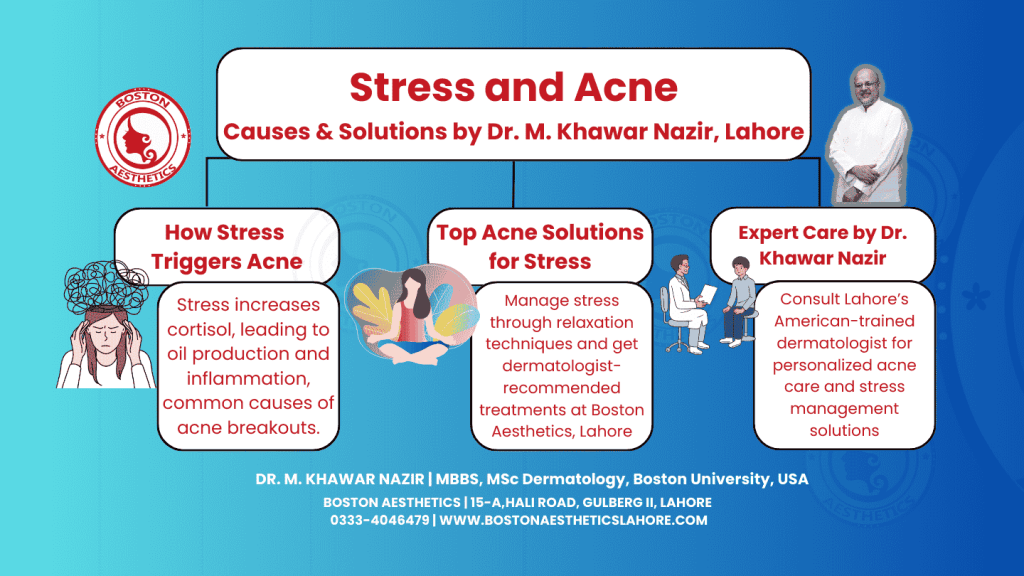
Stress can wreak havoc on our skin, often leading to breakouts that worsen with anxiety and lifestyle pressures. Lahore residents face unique stressors that can affect their skin health, leading to acne and other skin concerns. In this blog, I’ll discuss the relationship between stress and acne, expert solutions for stress-induced breakouts, and how Boston Aesthetics provides effective treatments to help you achieve clearer skin.
Table of Contents
- The Link Between Stress and Acne Breakouts
- Understanding Stress and Acne in Adults
- The Science Behind Stress and Acne Correlation
- Effective Treatments for Stress-Induced Acne
- FAQs
- Conclusion


1. The Link Between Stress and Acne Breakouts
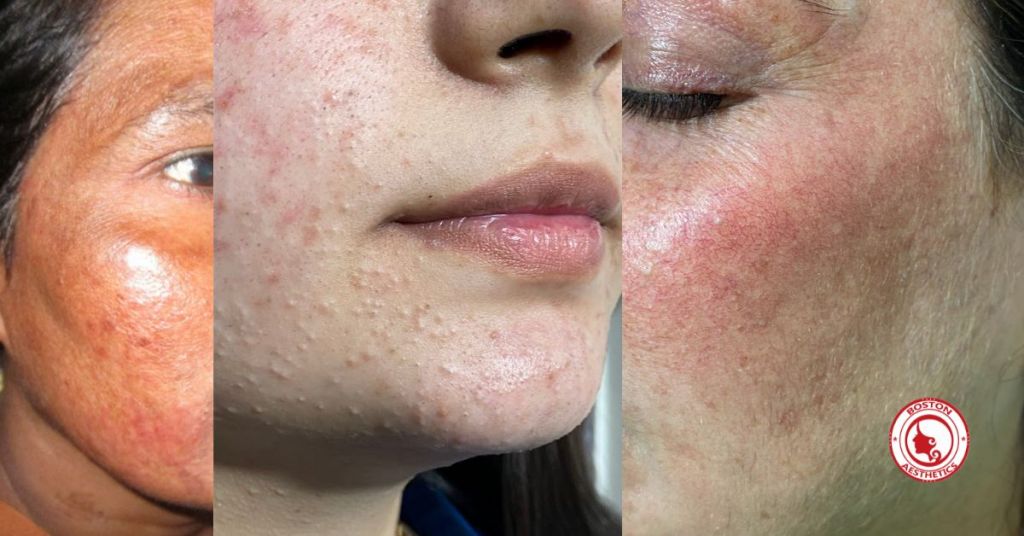
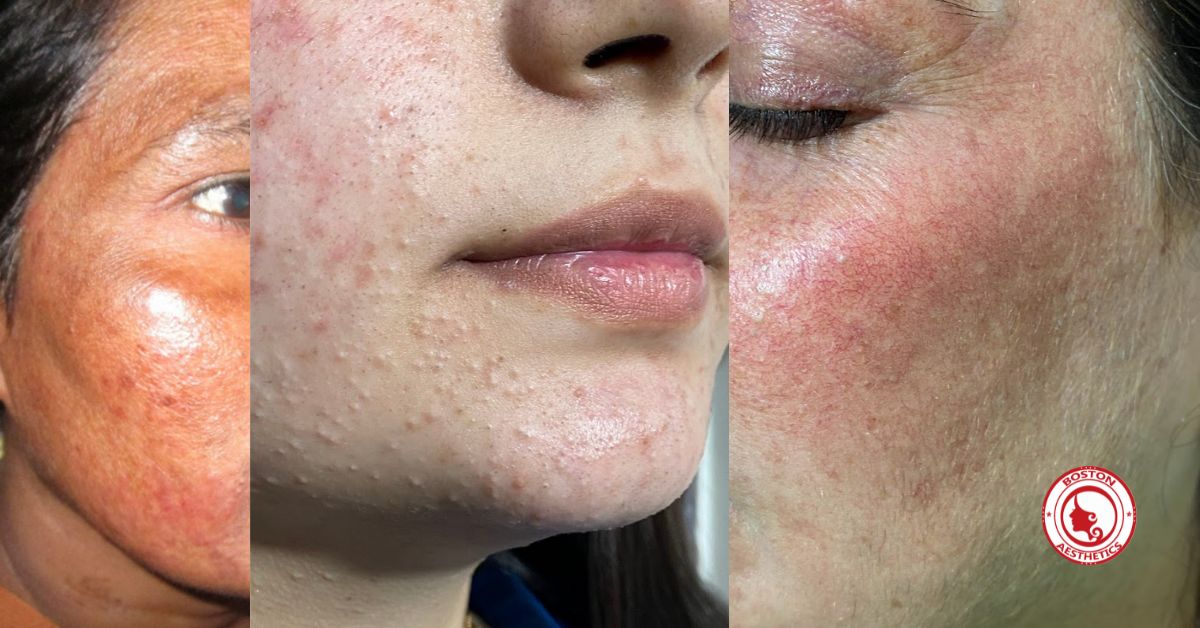
Stress causes the body to release cortisol, a hormone that can increase oil production and inflammation, both of which contribute to acne breakouts. For some individuals, stress-induced acne breakouts appear on the forehead, jawline, and chin, commonly known as stress acne zones. Studies have confirmed that stress can exacerbate existing acne vulgaris, turning mild cases into more severe breakouts.
2. Understanding Stress and Acne in Adults
While acne is often associated with teenagers, adults experience stress-induced acne due to hormonal imbalances, work stress, and lifestyle habits. The psychological impact of stress has a direct effect on the skin’s barrier function, causing conditions like cystic acne and persistent pustules that are harder to manage in adulthood.
3. The Science Behind Stress and Acne Correlation
Multiple studies link stress with acne severity, emphasizing that chronic stress can lead to persistent acne, known as acne vulgaris. Research has found that psychological stress impacts hormone levels and sebaceous gland activity, making stress one of the root causes of adult acne. Proper stress management, hormone balancing, and sleep regulation are crucial steps in acne prevention.
4. Effective Treatments for Stress-Induced Acne
A. Stress Reduction Techniques
Stress management methods like yoga, meditation, and exercise can reduce cortisol levels, decreasing the chance of acne breakouts. Regular sleep and a balanced diet also play vital roles in managing stress and skin health.
B. Advanced Dermatological Treatments at Boston Aesthetics
In Lahore, Boston Aesthetics offers tailored treatments for stress-related acne, including:
- Laser Therapy: Effective for reducing acne scarring.
- Chemical Peels: Help remove dead skin cells, promoting skin clarity.
- Light Therapy: Destroys acne-causing bacteria, particularly for adult patients.
C. Topical Skincare Solutions
Dermatologist-approved skincare products, such as salicylic acid and benzoyl peroxide, help manage excess oil production and minimize acne caused by stress.
- Infographics in dermatology
- Patient Awareness Campaigns on Steroid-Induced Dermatitis | Boston Aesthetics Lahore
- 5 Proven Ways to Calm Mind & Glow Skin in Lahore
- 5 Steps to Confident Nose Reshaping in Lahore
- 5 Shocking Truths About Lip Laser Rejuvenation
Frequently Asked Questions (FAQs)
Q1: How do you treat stress-induced acne?
Answer: Treatment involves stress management, topical treatments, and dermatological procedures like light therapy to target stress-related acne.
Q2: How can I tell if my acne is from stress?
Answer: Stress acne commonly appears on the forehead, jawline, and chin and can worsen with lifestyle stressors. Consulting a dermatologist can confirm the diagnosis.
Q3: Can anxiety cause acne?
Answer: Yes, anxiety raises cortisol levels, leading to increased oil production and inflammation, which can trigger acne.
Q4: How to overcome acne anxiety?
Answer: Focus on a balanced lifestyle, use dermatologist-recommended skincare, and seek support from a specialist to reduce stress-related skin concerns.
Q5: What is the permanent solution for hormonal acne?
Answer: Balancing hormones through lifestyle adjustments and consulting a dermatologist for advanced treatments like light therapy or hormone therapy can offer long-term solutions.
Q6: Can lack of sleep cause acne?
Answer: Yes, poor sleep increases cortisol, which can worsen acne. Aim for at least 7-8 hours of sleep per night for healthier skin.
Q7: Can drinking water reduce acne?
Answer: Staying hydrated supports skin health but may not directly cure acne. It helps by maintaining the skin’s natural barrier function.
Q8: Can stress trigger body acne?
Answer: Yes, stress can cause breakouts on the body, particularly the back and shoulders, by increasing oil production in these areas.
Q9: How can I stop pimples on my face permanently?
Answer: A consistent skincare routine, a balanced diet, and regular dermatological check-ups can help prevent recurring pimples.
Q10: Why does acne appear on cheeks?
Answer: Cheek acne can result from hormonal changes, stress, or exposure to dirty surfaces (e.g., pillowcases). Regularly cleaning these surfaces and managing stress can help.
Q11: Can vitamin D help with acne?
Answer: Vitamin D has anti-inflammatory properties that may support skin health, although it’s not a standalone cure for acne.
Q12: Are eggs bad for acne?
Answer: For some people, the hormones in eggs can trigger acne. It varies by individual, so observe how your skin reacts to dietary changes.
Q13: Can anxiety affect your skin?
Answer: Yes, anxiety and stress impact the skin’s natural barrier, leading to conditions like acne, dryness, and inflammation.
Q14: What does anxiety breakouts look like?
Answer: Anxiety-related breakouts are often red, inflamed, and may appear as cystic acne along the jawline and forehead.
Q15: Does working out reduce acne?
Answer: Exercise helps by reducing stress, which can lower cortisol levels. However, make sure to shower after workouts to prevent sweat from clogging pores.
Conclusion
Stress and acne are closely linked, but with the right guidance and treatment, you can manage stress-induced breakouts effectively. At Boston Aesthetics, I offer advanced solutions tailored to the needs of individuals in Lahore. Our treatments are designed to combat acne at its root, addressing both external symptoms and internal causes. If stress is impacting your skin, contact me for a consultation and discover a path toward clearer, healthier skin.
For an appointment, contact Dr. M. Khawar Nazir, MBBS, MSc Dermatology, Boston University, USA | American Trained Dermatologist at Boston Aesthetics, Gulberg, Lahore, Pakistan.
Contact Information
Boston Aesthetics Lahore
15-A, Hali Road, Gulberg II, Lahore
For Aesthetic Treatments Appointment: 03334046479
Dr. M. Khawar Nazir, MBBS, MSc Dermatology, Boston University, USA
American Trained Dermatologist
Dermatologist, Cosmetic, LASER & Hair Transplant Surgeon
Also Available at Bahria Town Hospital
For consultations at Bahria International Hospital, Bahria Town Lahore, call at 042-111-296-297 for an appointment today.
If you can’t make it to the clinic, don’t worry—your skin health is still our priority. Dr. M. Khawar Nazir offers convenient online video consultations, allowing you to receive expert advice and personalised care from the comfort of your home. Whether you’re managing ongoing treatment or seeking advice on new concerns, our virtual consultations provide you with the same level of attention and care as an in-person visit. To book your online consultation, simply call or WhatsApp us at 03334046479.
Author Information:
Dr. M. Khawar Nazir, MBBS, MSc Dermatology, Boston University, USA
American Trained Dermatologist in Lahore
Dermatologist, Cosmetic, LASER & Hair Transplant Surgeon
Boston Aesthetics, 15-A, Hali Road, Gulberg II, Lahore | 03334046479

Leave a Reply