
Introduction
In a diverse city like Lahore, where a rich tapestry of skin tones exists, understanding the unique needs of skin of color is essential. While the beauty industry has often focused on fair skin, it’s time to go beyond this narrow perspective and explore the complexities of dermatology for darker skin tones. This blog will dive deep into the unique challenges and effective treatments for ethnic skin, shedding light on why specialized care is crucial for achieving and maintaining healthy skin.
What Is Skin of Color Dermatology?
Skin of color dermatology refers to the specialized care and treatment tailored to individuals with higher melanin levels. This field of dermatology focuses on the unique biological and physiological characteristics of darker skin, which can influence how the skin reacts to various treatments, products, and environmental factors.

Understanding the Unique Needs of Skin of Color
Darker skin tones have a higher concentration of melanin, which provides natural protection against UV radiation. However, this does not make them immune to skin issues. In fact, certain conditions can be more prevalent or present differently in individuals with pigmented skin.
Common Skin Concerns in People of Color
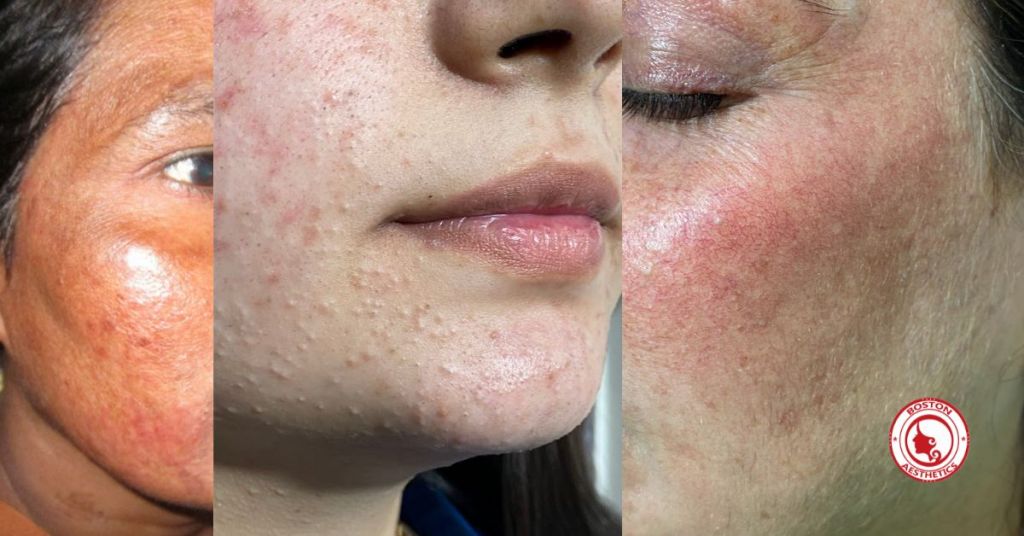
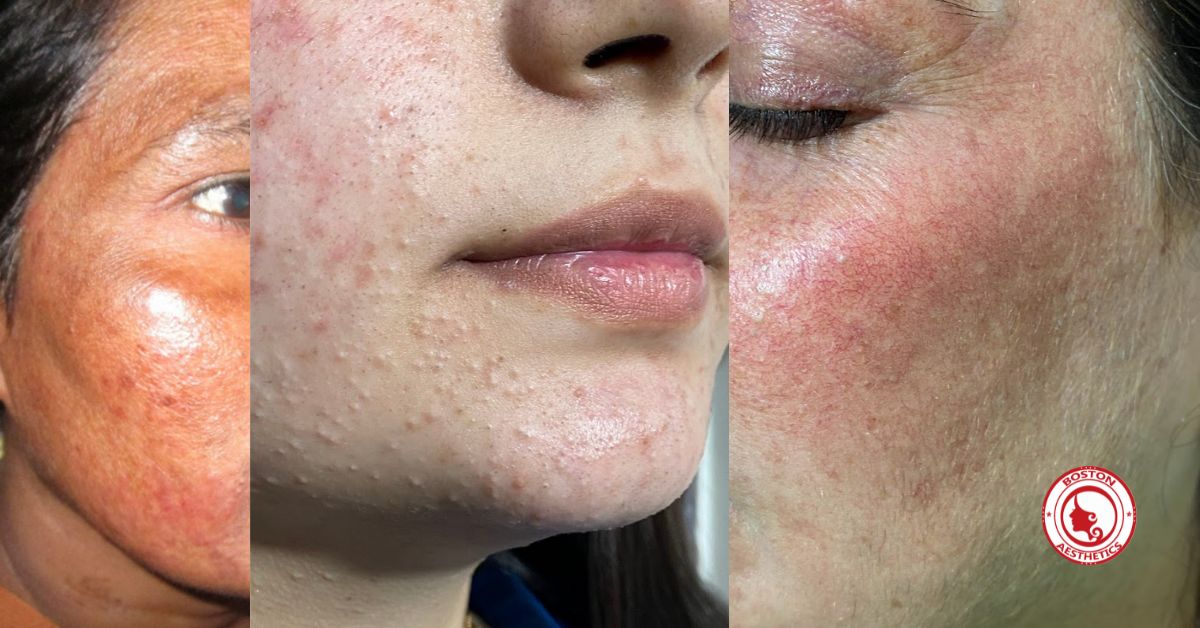
- Hyperpigmentation: One of the most common concerns, hyperpigmentation occurs when certain areas of the skin become darker than the surrounding skin due to excess melanin production. This can be triggered by acne, eczema, or even minor injuries.
- Keloids and Scarring: Individuals with darker skin are more prone to developing keloids—raised scars that grow excessively and can be challenging to treat.
- Melasma: This condition causes brown or gray patches on the skin, often due to hormonal changes or sun exposure. It is more common in women with darker skin tones.
- Acne: While acne can affect all skin types, post-inflammatory hyperpigmentation (PIH) is more likely to occur in people of color, leaving behind dark spots long after the acne has cleared.
Why Specialized Care Is Important
Darker skin reacts differently to treatments compared to lighter skin. For instance, aggressive treatments like laser therapy or chemical peels that work well on fair skin might cause unwanted side effects like hyperpigmentation or scarring on darker skin.
Choosing the Right Dermatologist
When seeking care for skin of color, it’s crucial to choose a dermatologist with experience in treating diverse skin tones. An expert who understands the unique needs of ethnic skin will be better equipped to recommend treatments that are safe and effective.
Effective Treatments for Skin of Color in Lahore
At Boston Aesthetics, we offer a range of treatments specifically designed to address the needs of darker skin tones. Our approach is holistic, taking into account the unique characteristics of each patient’s skin.
- Patient Awareness Campaigns on Steroid-Induced Dermatitis | Boston Aesthetics Lahore
- 5 Proven Ways to Calm Mind & Glow Skin in Lahore
- 5 Steps to Confident Nose Reshaping in Lahore
- 5 Shocking Truths About Lip Laser Rejuvenation
- Does Sunblock Give Complete Sun Protection?
Hyperpigmentation Treatments
For hyperpigmentation, treatments such as topical lightening agents, chemical peels, and laser therapy are carefully chosen to minimize the risk of further pigmentation issues.
Acne and Scarring Solutions
Our acne treatments focus on controlling breakouts while also addressing PIH. Options include salicylic acid peels, laser treatments, and customized skincare routines.
Melasma Management
Managing melasma requires a delicate balance. We use a combination of topical treatments and safe laser therapy to reduce the appearance of melasma while preventing recurrences.
Skincare Tips for Maintaining Healthy Skin of Color
- Consistent Sun Protection: Even though melanin offers some natural protection, sunscreen is essential to prevent hyperpigmentation and other UV-related damage.
- Moisturization: Hydration is key to maintaining healthy skin. Look for moisturizers that lock in moisture without clogging pores.
- Gentle Exfoliation: Regular exfoliation helps remove dead skin cells but should be done gently to avoid irritation and further pigmentation.
FAQ
Q1: Can darker skin tones benefit from laser treatments? A: Yes, but it’s important to choose the right type of laser and have it performed by an experienced dermatologist to minimize risks.
Q2: What causes hyperpigmentation in darker skin? A: Hyperpigmentation can be caused by acne, sun exposure, hormonal changes, or even minor injuries.
Q3: How can I prevent hyperpigmentation? A: Consistent use of sunscreen and gentle skincare practices can help prevent hyperpigmentation.
Q4: Is melasma more common in people with darker skin? A: Yes, melasma is more prevalent in individuals with higher melanin levels, especially women.
Q5: What is the best way to treat acne scars in darker skin tones? A: A combination of gentle chemical peels, laser treatments, and customized skincare can effectively treat acne scars.
Conclusion
Understanding the unique needs of skin of color is crucial for achieving healthy, radiant skin. At Boston Aesthetics in Lahore, we are dedicated to providing expert care tailored to your specific skin type and concerns. Whether you’re dealing with hyperpigmentation, acne, or simply want to maintain your skin’s health, our team is here to guide you every step of the way.
Contact Us
Boston Aesthetics Lahore
15-A, Hali Road, Gulberg II, Lahore
Appointments: 03334046479
Dr. M. Khawar Nazir, MBBS, MSc Dermatology, Boston University, USA
American Trained Dermatologist
Dermatologist, Cosmetic, LASER & Hair Transplant Surgeon
Also Available at Bahria Town Hospital
For consultations at Bahria International Hospital, Bahria Town Lahore, call at 042-111-296-297 for an appointment today.

Leave a Reply