
The Importance of Sun Protection in Your Skincare Routine
Introduction
Sun protection is a crucial aspect of skincare, especially for individuals living in regions with high UV exposure like Lahore, Pakistan. Ultraviolet (UV) radiation from the sun can cause significant skin damage, leading to premature aging, pigmentation issues, and in severe cases, skin cancer. For this reason, daily sunblock application is vital to shield the skin from harmful UV rays.

Dr. M. Khawar Nazir, an American-trained dermatologist at Boston Aesthetics in Lahore, recommends using sunblock daily as part of your skincare routine to prevent long-term skin damage. Below, we will explore essential sun protection facts, including SPF ratings, sunblock types, and answers to common sun protection questions.
Understanding the Importance of Sun Protection
What are UV Rays?
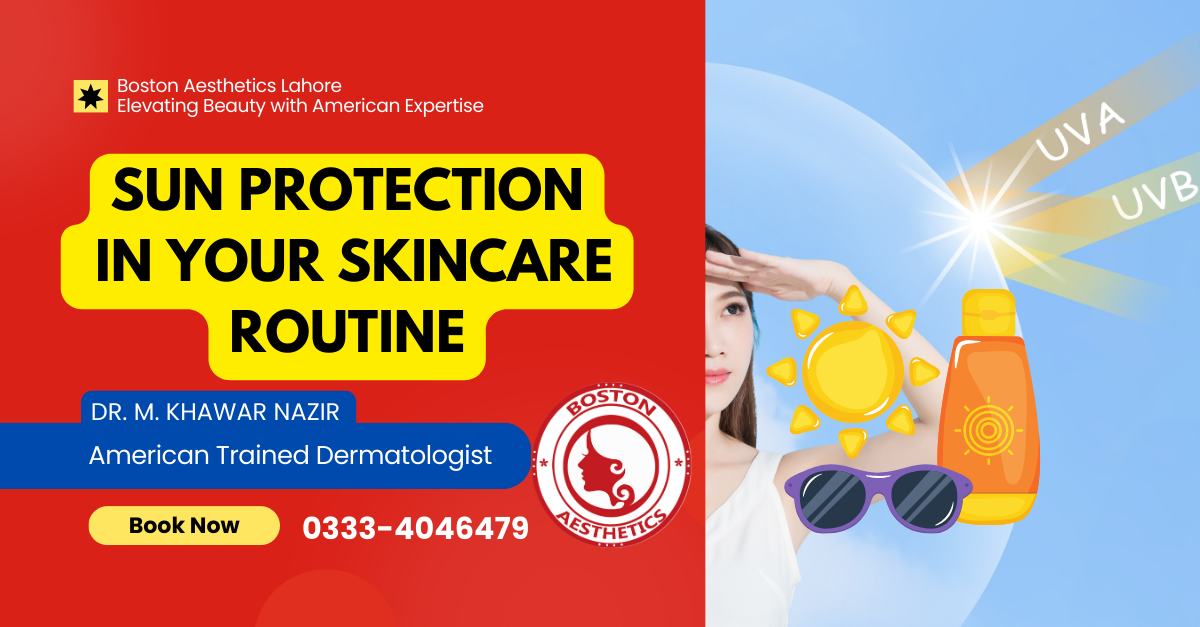
Ultraviolet (UV) rays from the sun are a form of radiation. They are invisible to the naked eye but can cause significant damage to the skin. There are three types of UV rays:
- UVA Rays: These rays penetrate deep into the skin and are responsible for premature aging and wrinkles.
- UVB Rays: These rays are the primary cause of sunburn and can damage the skin’s outer layers.
- UVC Rays: These are the most dangerous but are absorbed by the Earth’s atmosphere and do not reach the surface.
How UV Rays Affect Your Skin
- Premature Aging: UVA rays break down collagen and elastin fibers, leading to wrinkles and sagging skin.
- Sunburn: UVB rays cause sunburn, leading to redness, pain, and peeling.
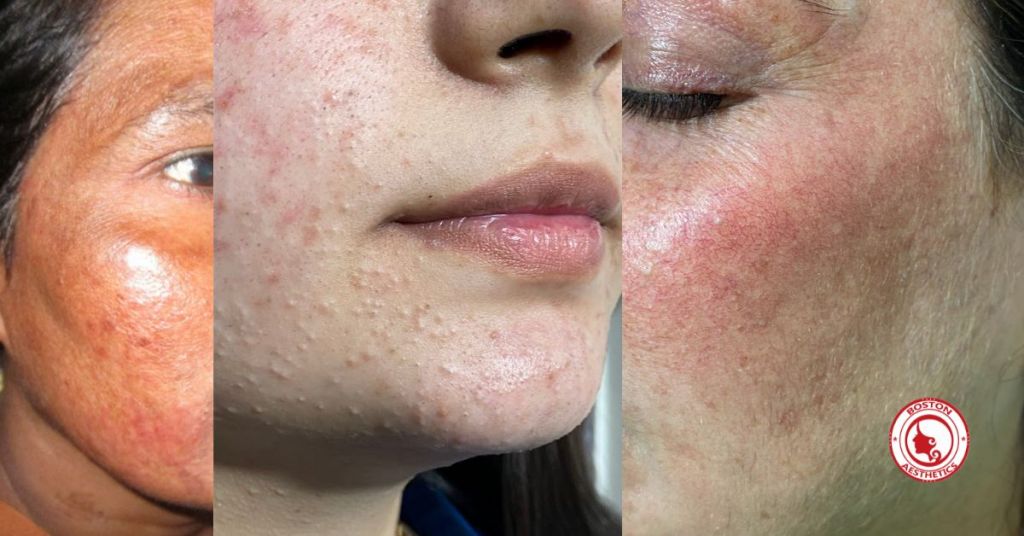
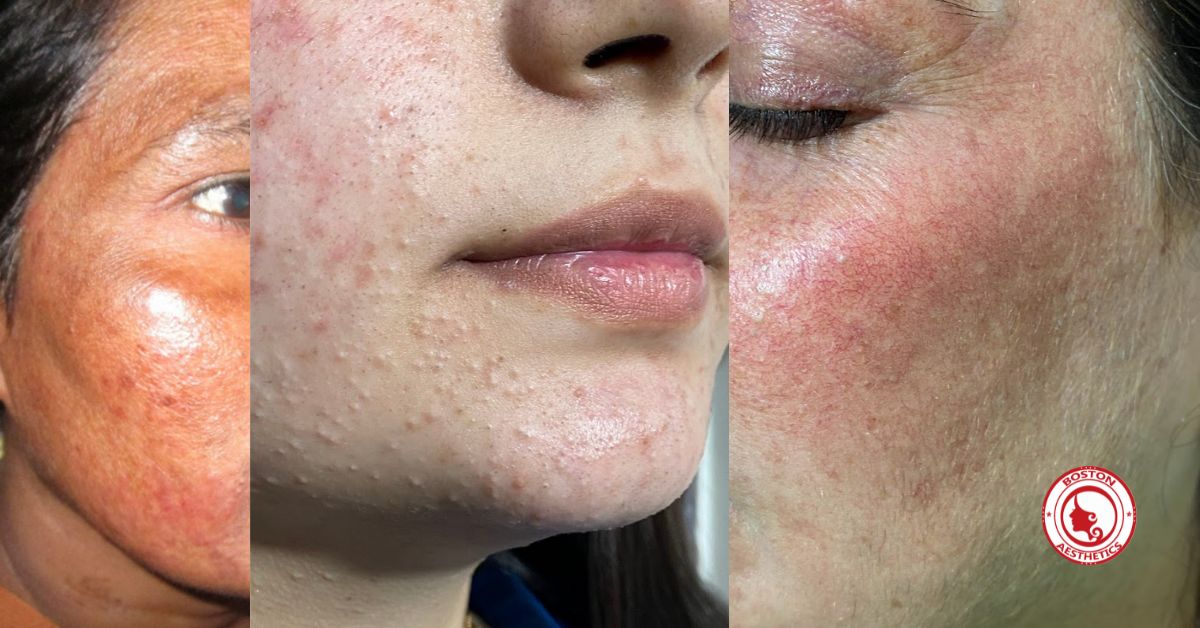
- Hyperpigmentation: Prolonged sun exposure can lead to dark spots and uneven skin tone.
- Skin Cancer: Both UVA and UVB rays can cause DNA damage, increasing the risk of skin cancer.
In this podcast, American-trained dermatologist Dr. M. Khawar Nazir from Lahore discusses essential summer skincare tips. Learn how to protect your skin from the sun’s harmful rays and whether washing your face multiple times in summer is beneficial. Tune in for expert advice on maintaining healthy, glowing skin during the hot months.
Benefits of Sun Protection
1. Prevents Premature Aging
Regular use of sunblock helps protect the skin from UVA rays, which are primarily responsible for photoaging. This includes the development of fine lines, wrinkles, and age spots.
2. Reduces Risk of Skin Cancer
Using sunblock with a high SPF can protect the skin from UVB rays, which can lead to skin cancer. It acts as a barrier, preventing the harmful effects of UV radiation.
3. Prevents Sunburn
Sunburn can cause immediate discomfort and long-term skin damage. Applying sunblock reduces the risk of sunburn, keeping the skin healthy and pain-free.
4. Maintains Even Skin Tone
Regular sun exposure can cause hyperpigmentation and dark spots. Sunblock helps maintain an even skin tone by protecting against the sun’s harmful rays.
| Topic | Details | Why It’s Important |
|---|---|---|
| What is Sun Protection? | Sun protection refers to measures taken to protect your skin from harmful UV rays, including using sunblock, wearing protective clothing, and seeking shade. | Protecting your skin from UV rays helps prevent premature aging, skin damage, and reduces the risk of skin cancer. |
| What Does SPF Mean? | SPF stands for Sun Protection Factor. It measures how well a sunscreen protects your skin from UVB rays. SPF 30 blocks about 97% of UVB rays, and SPF 50 blocks 98%. | Higher SPF means better protection, but no sunscreen can block 100% of harmful UV rays. Choosing the right SPF is essential for skin safety. |
| What’s the Difference Between Physical and Chemical Sunblock? | Physical sunblocks contain active ingredients like zinc oxide or titanium dioxide that create a physical barrier on the skin. Chemical sunblocks absorb UV rays through ingredients like avobenzone or octinoxate. | Physical sunblocks are ideal for sensitive skin and provide immediate protection, while chemical sunblocks are lighter and more easily absorbed. |
| How to Choose the Right Sunblock? | For daily use, SPF 30 is enough. If you plan to stay outside for longer periods or in direct sunlight, opt for SPF 50. Sensitive skin types should consider physical sunblocks. | Choose the SPF level based on your skin’s needs and exposure level. The right sunblock can keep your skin protected and healthy. |
| How to Apply Sunscreen Correctly? | Apply sunscreen 15-30 minutes before sun exposure. Use about 1 ounce (a shot glass) to cover your face and body. Don’t forget to apply to the ears, neck, and backs of hands. Reapply every 2 hours or after swimming or sweating. | Applying sunscreen properly ensures maximum protection against harmful UV rays, preventing sunburn and long-term skin damage. |
| Can I Use Sunscreen Every Day? | Yes, you should use sunscreen every day, even on cloudy days, as UV rays can penetrate through the clouds and cause skin damage. | Consistent use of sunscreen protects your skin from everyday exposure and helps prevent premature aging and pigmentation. |
| Can Sunscreen Cause Skin to Glow? | Some sunscreens contain hydrating ingredients like vitamin E or glycerin, which can enhance your skin’s natural glow. | Sunscreen not only protects the skin but can also improve skin texture, making it look fresh and hydrated. |
| How Long Does Sunscreen Last? | The effectiveness of sunscreen lasts about 2 hours after application. If you’re swimming or sweating, you need to reapply more frequently. | Frequent reapplication ensures constant protection from UV rays, especially when you’re active outdoors. |
| Does Sunscreen Expire? | Yes, sunscreen does expire. Always check the expiration date before using it, as expired sunscreen may not provide full protection. | Using expired sunscreen is ineffective and can leave your skin unprotected, so always check the date before use. |
| Is Sunscreen Safe for My Lips? | Yes, you can use sunblock on your lips. Look for lip balms that contain SPF 30 or higher for proper protection. | The skin on your lips is sensitive and can burn easily, so applying lip balm with SPF is crucial to prevent sun damage. |
| What Time Should I Avoid the Sun? | UV rays are strongest between 10 AM and 4 PM. It’s best to seek shade or wear protective clothing during these hours. | UV rays are most intense during midday, so avoiding direct sun exposure during peak hours reduces the risk of skin damage. |
| How to Protect Your Skin After Sun Exposure? | After sun exposure, apply after-sun products with aloe vera or vitamin C to soothe the skin and repair damage. Drink plenty of water to stay hydrated. | Taking care of your skin after sun exposure helps repair the damage caused by UV rays and reduces inflammation and irritation. |
| Why Are UV Rays Harmful? | UV rays damage skin cells and increase the risk of sunburn, premature aging, and skin cancers like melanoma. UV exposure also causes DNA mutations. | Protection from UV rays is essential to avoid long-term skin damage and health risks like skin cancer. |
| How Can I Fade Dark Spots from Sun Exposure? | Use products with vitamin C, retinoids, and niacinamide. Additionally, using sunscreen daily prevents new spots from forming. | Consistent sunscreen use helps fade existing dark spots and prevents further pigmentation caused by UV rays. |
| What Are the Best Sunscreens for Oily Skin? | For oily skin, choose a gel-based sunscreen that is non-comedogenic and absorbs quickly, leaving a matte finish. | A good sunscreen will protect your skin without clogging pores or making it greasy. Gel-based options work best for oily skin. |

Choosing the Right Sunblock
1. Broad-Spectrum Protection
Ensure your sunblock offers broad-spectrum protection, which means it protects against both UVA and UVB rays.
2. SPF Rating
The Sun Protection Factor (SPF) indicates how well the sunblock can protect your skin from UVB rays. For daily use, an SPF of at least 30 is recommended.
3. Water-Resistance
If you are swimming or sweating, choose a water-resistant sunblock to ensure continuous protection.
4. Skin Type Considerations
- Oily Skin: Opt for oil-free, non-comedogenic sunblock to prevent breakouts.
- Dry Skin: Choose sunblock with hydrating ingredients to keep your skin moisturized.
- Sensitive Skin: Look for sunblock with mineral-based ingredients like zinc oxide or titanium dioxide, which are less likely to cause irritation.

Incorporating Sun Protection into Your Skincare Routine
1. Daily Application
Apply sunblock every morning, regardless of the weather. UV rays can penetrate clouds and windows, making it essential to protect your skin every day.
2. Proper Application
Use enough sunblock to cover all exposed areas of the skin. A good rule of thumb is to use a teaspoon for the face and a shot glass amount for the body.
3. Reapplication
Reapply sunblock every two hours, or more frequently if you are swimming or sweating.
4. Layering Products
Apply sunblock as the last step in your skincare routine, after moisturizing and before applying makeup.


Addressing Common Concerns
Is Sunblock Safe for Daily Use?
Yes, sunblock is safe and essential for daily use. Modern formulations are designed to be non-greasy and suitable for all skin types.
Can Sunblock Cause Acne?
Non-comedogenic sunblocks are available and are specifically formulated not to clog pores, making them safe for acne-prone skin.
Is Sunblock Necessary Indoors?
Yes, UVA rays can penetrate through windows. Applying sunblock indoors helps protect against these rays.
- (no title)
- (no title)
- (no title)
- Acne and Scar Treatments
- Advanced Laser Hair Removal Lahore
- American Trained Dermatologist Lahore
- Anti-Aging Treatments by Dr. Khawar Nazir, Lahore
- Best Dermatologist in Lahore
- Best Hydrafacial in Gulberg Lahore
- Best Skin Specialist & Laser Clinic in Lahore
- Contact Us (Old Back up)
- Dermatologist in Lahore – Boston Aesthetics Gulberg II
- Expert Dermatology Services in Lahore | Boston Aesthetics
- Finding the Best Skin Specialist in Lahore
- Gallery
- Glow Facial in Lahore – Radiant Skin Awaits You!
- Hair Transplant Surgery in Lahore
- Home (Old Back up)
- Latest Skincare Trends by Dr. M. Khawar Nazir
- Medical & Advertising Disclaimer | Boston Aesthetics Lahore
- Medical-Grade HydraFacial Lahore | Book Now
- Men’s Grooming at Boston Aesthetics Lahore
- Patients Medical Record System
- Privacy Policy
- Skin Specialist & Laser Clinic Lahore
- Skin Specialist in Lahore
- Trusted Dermatologist & Skin Care Specialist in Lahore
- (no title)
- Experienced Dermatologist in Lahore
Frequently Asked Questions (FAQ) About Sunblock and SPF
- What SPF Should I Use? For daily use, an SPF of at least 30 is recommended. This provides a good level of protection against UVB rays, which are primarily responsible for sunburn and skin cancer. Higher SPFs, such as 50, offer extended protection, but no sunblock can offer 100% protection. For outdoor activities or extended sun exposure, SPF 50 or higher is advisable.
- What’s the Difference Between Sunscreen and Sunblock? Sunscreen typically contains chemical ingredients that absorb UV rays, while sunblock contains physical filters like zinc oxide or titanium dioxide that reflect UV rays from the skin. Sunblock is generally more suitable for sensitive skin or those looking for a more effective physical barrier against UV radiation.
- Is SPF 30 Better Than SPF 50? SPF 50 offers more protection than SPF 30, blocking 98% of UVB rays, while SPF 30 blocks about 97%. However, the difference in protection is marginal, and proper reapplication is key to maintaining effectiveness. SPF 50 is more suitable for people with fair skin or those with a history of skin cancer.
- Can I Use Sunblock Every Day? Yes, it is advisable to use sunblock every day, even on cloudy days. UV rays can penetrate through clouds and cause skin damage. Daily application of sunblock helps prevent premature aging, hyperpigmentation, and other skin concerns related to sun exposure.
- Does Sunblock Expire? Yes, sunblock can lose its effectiveness after its expiration date. It is essential to check the expiration date before applying it, as expired products may not provide adequate protection against harmful UV rays.
- How Long Does SPF 50 Last? The effectiveness of SPF 50 typically lasts for about 2 hours after application, depending on your activity. Swimming, sweating, or towel-drying can reduce its efficacy, so reapplication is essential.
- How Do I Apply Sunscreen Correctly? To apply sunscreen effectively, use about 1 ounce (a shot glass full) to cover your face and body. Ensure even coverage, including the ears, neck, and backs of the hands. For facial sunscreen, apply it as the final step in your skincare routine, after moisturizing but before makeup.
- Can I Apply Sunscreen at Night? Sunscreen is generally unnecessary at night since UV rays are not present. However, if you are exposed to artificial UV light or living in an area with high blue light exposure from screens, using a sunscreen with blue light protection can be beneficial.
- Can Sunscreen Make My Skin Glow? Some sunscreens contain hydrating ingredients like glycerin or vitamin E, which can give your skin a healthy, radiant glow. Look for sunblocks designed for dry or dull skin for added benefits.
- Does Sunblock Block Vitamin D? While sunblock reduces the skin’s ability to produce vitamin D, it does not completely block it. A small amount of UV exposure (10-15 minutes) a few times a week is sufficient for most people to produce adequate vitamin D without risking skin damage.
- What is the Best Sunscreen for Sensitive Skin? For sensitive skin, opt for physical sunblocks containing zinc oxide or titanium dioxide. These ingredients provide a physical barrier and are less likely to cause irritation compared to chemical sunscreens. Products marked as hypoallergenic are also recommended for sensitive skin types.
- Can I Use Sunscreen on My Lips? Yes, you can apply sunscreen on your lips. Look for lip balms or glosses containing SPF to protect the delicate skin on your lips from sunburn and pigmentation.
- Infographics in dermatology
- Patient Awareness Campaigns on Steroid-Induced Dermatitis | Boston Aesthetics Lahore
- 5 Proven Ways to Calm Mind & Glow Skin in Lahore
- 5 Steps to Confident Nose Reshaping in Lahore
- 5 Shocking Truths About Lip Laser Rejuvenation
Types of Sunblocks and Their Benefits
- Physical Sunblock vs. Chemical Sunscreen
- Physical Sunblock: Contains zinc oxide or titanium dioxide and provides a physical barrier that reflects UV rays. It is typically better for sensitive skin and provides immediate protection.
- Chemical Sunscreen: Uses ingredients like avobenzone or octinoxate to absorb UV radiation. It’s generally lighter and less visible on the skin but may not be suitable for sensitive skin types.
- Sunblock for Oily, Normal, and Sensitive Skin
- For oily skin, choose a gel-based sunblock that is oil-free and provides a matte finish.
- For normal skin, a cream or lotion-based sunblock works well for daily protection.
- For sensitive skin, opt for a physical sunblock with minimal ingredients and no fragrances or alcohol.
- Sunblock Cream, Lotion, or Spray – Which is Better?
- Cream: Best for dry skin and for providing a more thorough, even application.
- Lotion: Lightweight and versatile, suitable for most skin types.
- Spray: Convenient for reapplication on the go, but may not offer as much coverage as cream or lotion.
- What Is Natural Sunblock? Natural sunblocks typically contain plant-based ingredients like green tea extract or aloe vera alongside physical filters. They are ideal for those looking for eco-friendly options but may not always provide broad-spectrum protection like conventional sunblocks.
Conclusion
Incorporating sun protection into your daily skincare routine is crucial for maintaining healthy, youthful skin. At Boston Aesthetics Lahore, we offer a range of sunblocks tailored to your skin type and concerns. Protect your skin from the harmful effects of UV rays and enjoy clear, radiant skin.
POLL| Let us know your sun protection habits and see how you compare with others!
Protect Your Skin Today Visit Boston Aesthetics Lahore to explore our range of sun protection products. Contact us at bostonaestheticslahore@gmail.com or visit our website to book a consultation and learn more about how to keep your skin safe and healthy.
Contact Information
Boston Aesthetics Lahore
15-A, Hali Road, Gulberg II, Lahore
For Aesthetic Treatments Appointment: 03334046479
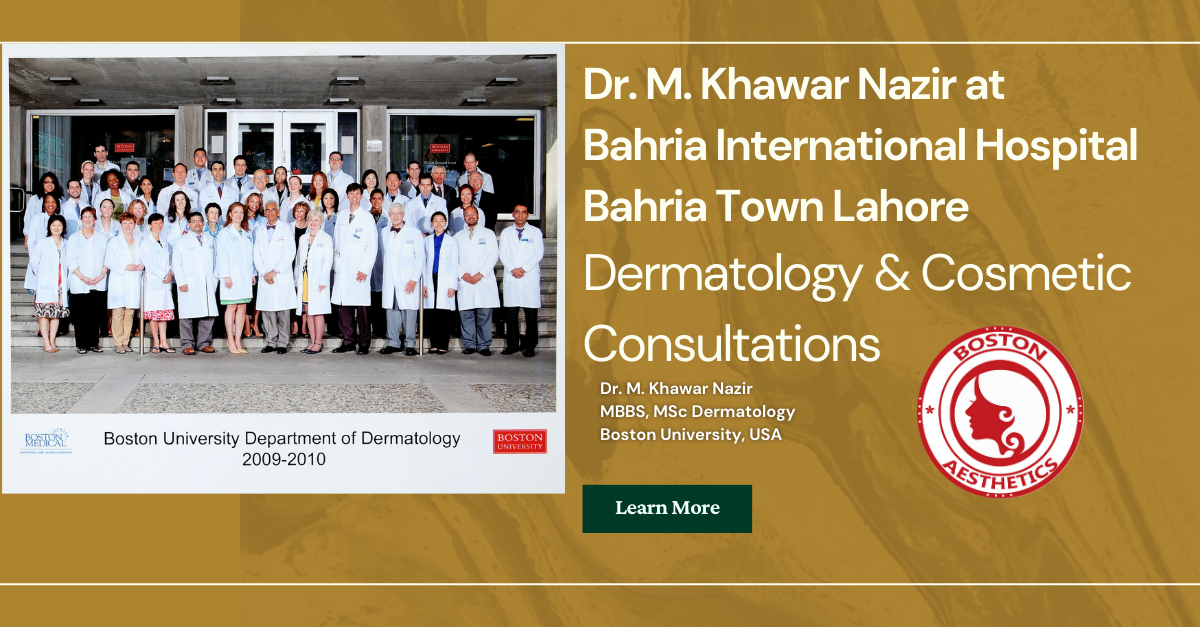
Dr. M. Khawar Nazir, MBBS, MSc Dermatology, Boston University, USA
American Trained Dermatologist
Dermatologist, Cosmetic, LASER & Hair Transplant Surgeon
Also Available at Bahria Town Hospital
For consultations at Bahria International Hospital, Bahria Town Lahore, call at 042-111-296-297 for an appointment today.
If you can’t make it to the clinic, don’t worry—your skin health is still our priority. Dr. M. Khawar Nazir offers convenient online video consultations, allowing you to receive expert advice and personalised care from the comfort of your home. Whether you’re managing ongoing treatment or seeking advice on new concerns, our virtual consultations provide you with the same level of attention and care as an in-person visit. To book your online consultation, simply call or WhatsApp us at 03334046479.
Author Information:
Dr. M. Khawar Nazir, MBBS, MSc Dermatology, Boston University, USA
American Trained Dermatologist in Lahore
Dermatologist, Cosmetic, LASER & Hair Transplant Surgeon
Boston Aesthetics, 15-A, Hali Road, Gulberg II, Lahore | 03334046479

Leave a Reply