Chemical Henna Reactions: Avoid Skin Allergies This Season
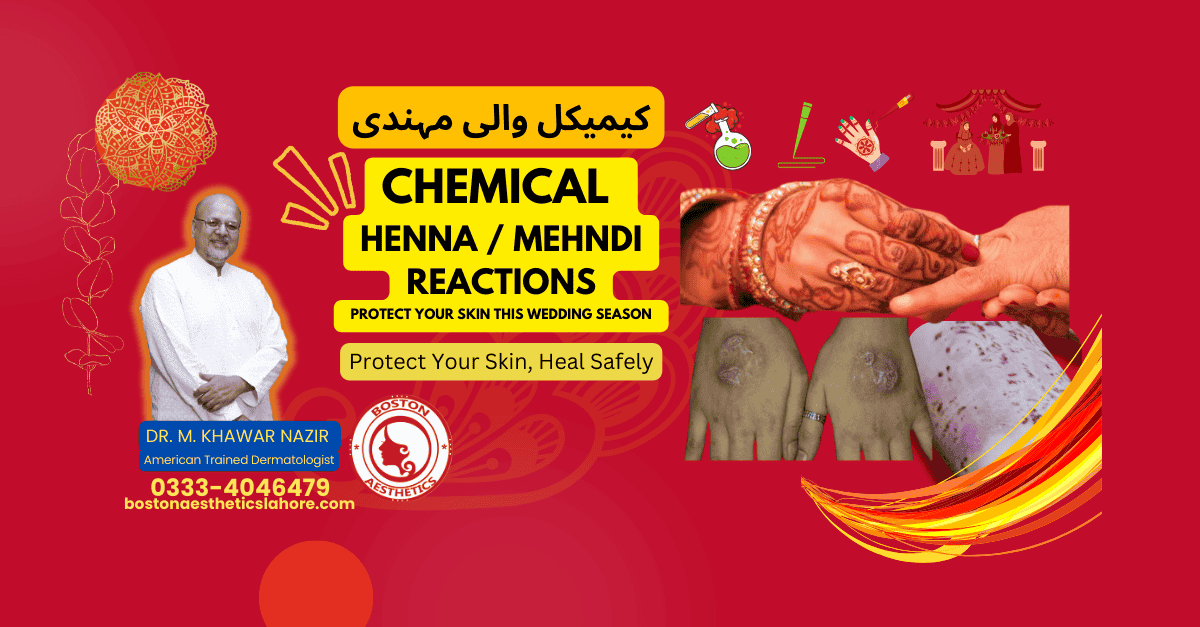
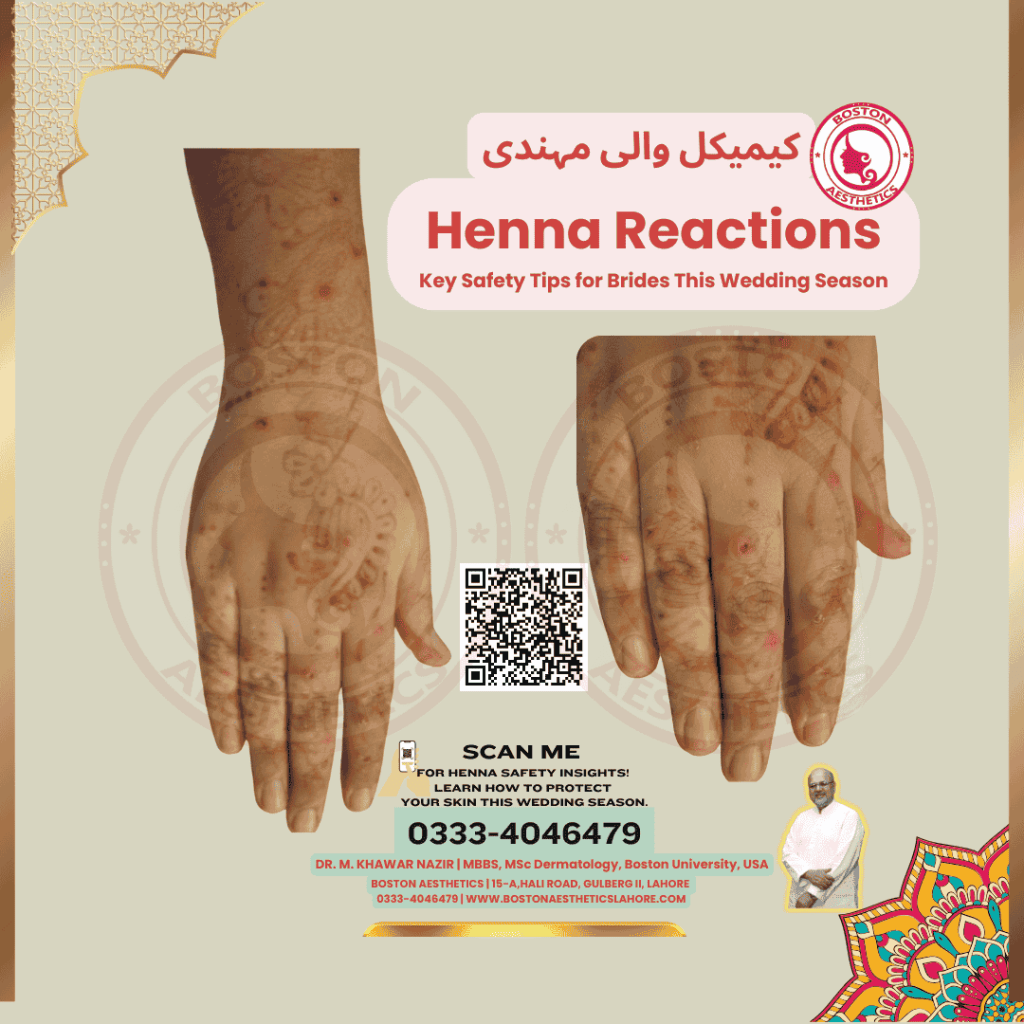
Henna, or mehndi مہندی , holds a cherished place in Pakistani culture, symbolizing beauty and celebration, particularly during weddings. Brides-to-be eagerly adorn their hands and feet with intricate henna designs, signifying the start of a new chapter in life. However, in recent years, there has been a troubling rise in skin reactions caused by chemical-laden henna. Many beauty salons and vendors use adulterated henna to achieve darker, longer-lasting stains, which unfortunately leads to severe allergic reactions, irritant contact dermatitis, and even scarring.
This blog post, authored by Dr. M. Khawar Nazir, MBBS, MSc Dermatology, Boston University, USA, and founder of Boston Aesthetics, Gulberg, Lahore, will delve into the dangers of chemical henna, the harmful ingredients responsible for these reactions, and provide actionable tips to prevent and manage them. Whether you’re a bride, a salon owner, or a mehndi enthusiast, this guide will ensure your safety while preserving the beauty of this age-old tradition.
Common Chemicals Responsible for Henna Reactions
1. Paraphenylenediamine (PPD)
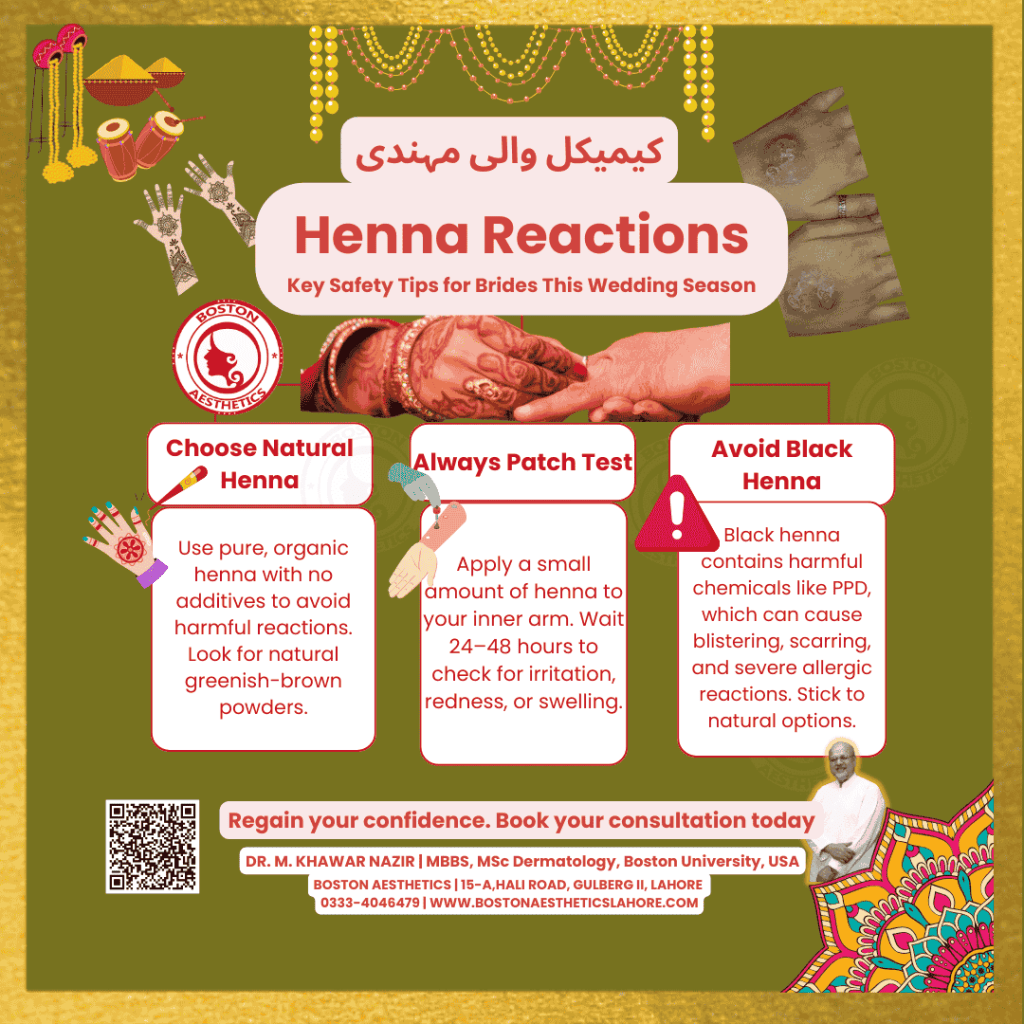
PPD is the primary culprit behind most henna-related skin reactions. Commonly added to henna for a deep, black stain, PPD is a potent allergen that can cause severe irritation, redness, and even blistering. Reactions to PPD may appear within hours or take up to 48 hours to manifest.
2. Synthetic Dyes
Brightly colored henna cones often contain synthetic dyes to enhance their vibrancy. These dyes can irritate sensitive skin, leading to itching, rashes, or peeling.
3. Preservatives and Metallic Salts
To extend the shelf life of henna and accelerate the staining process, some manufacturers add metallic salts and preservatives. These chemicals are known irritants that increase the risk of sensitization and allergic contact dermatitis.
4. Artificial Fragrances and Resins
While appealing scents are added to attract customers, artificial fragrances and resins can trigger skin allergies, especially in individuals with sensitive skin.

Symptoms of a Henna Reaction
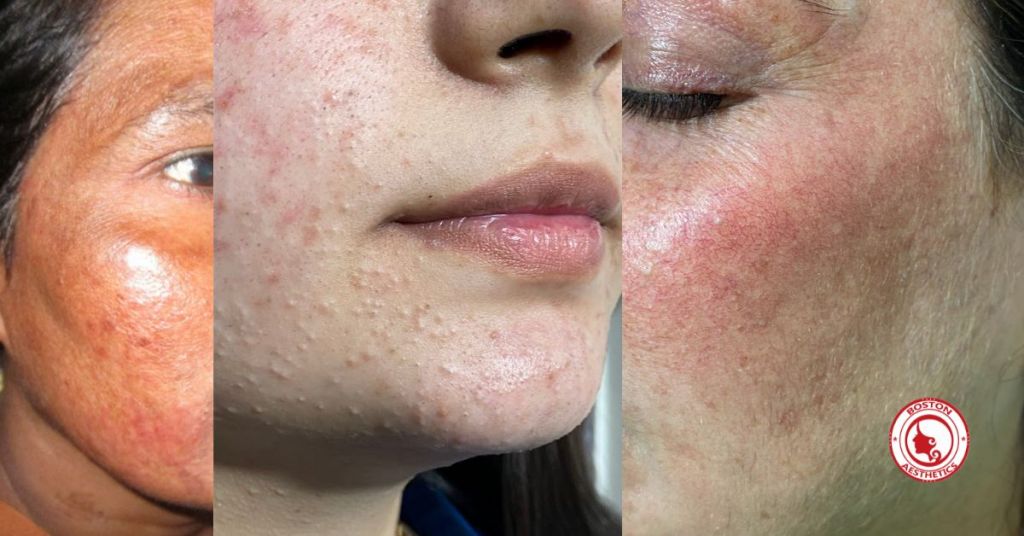
Understanding the symptoms of a henna reaction can help in taking timely action. Common signs include:
- Redness and itching: The affected area may become red, itchy, and inflamed.
- Swelling: Swollen skin or blisters might appear.
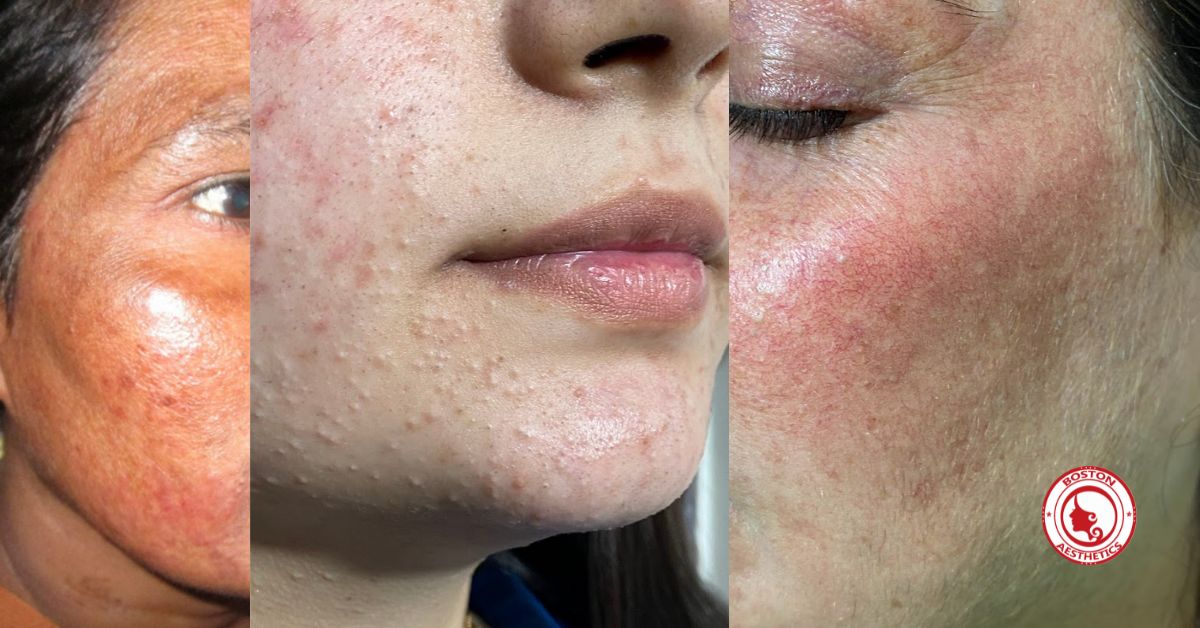
- Peeling or hyperpigmentation: Severe reactions can result in peeling skin or dark patches.
- Scarring or eczema: Long-term effects may include scarring or the development of eczema.
If you notice any of these symptoms, it’s essential to address them promptly to prevent complications.
Preventing Henna Reactions
Prevention is always better than cure. Here’s how you can protect your skin while enjoying beautiful henna designs:
1. Choose Natural Henna
- Look for pure, herbal henna powders that are free from additives. Authentic henna is greenish-brown in color and has a mild, earthy aroma.
- Avoid products labeled as “instant black henna” or “chemical henna.”
2. Read Labels Carefully
- Check ingredient lists to ensure there are no harmful chemicals like PPD, synthetic dyes, or metallic salts.
- Opt for brands with certifications for organic or chemical-free products.
3. Perform a Patch Test
- Apply a small amount of henna on the inner arm and wait 48 hours to check for any adverse reactions.
- This simple step can save you from potential skin damage.
4. Prepare Henna at Home
- DIY henna allows you to control the ingredients. Use fresh, natural henna powder mixed with water, lemon juice, and essential oils like eucalyptus.
5. Inquire at Salons
- Ask your beauty salon about the type of henna they use. Insist on natural henna or bring your own if necessary.
- Patient Awareness Campaigns on Steroid-Induced Dermatitis | Boston Aesthetics Lahore
- 5 Proven Ways to Calm Mind & Glow Skin in Lahore
- 5 Steps to Confident Nose Reshaping in Lahore
- 5 Shocking Truths About Lip Laser Rejuvenation
- Does Sunblock Give Complete Sun Protection?

Managing Henna Reactions
If you experience a reaction despite precautions, here’s how to manage it effectively:
1. Immediate Action
- Wash the affected area thoroughly with mild soap and lukewarm water to remove residual chemicals.
- Avoid scratching or rubbing the area, as this can worsen irritation.
2. Topical Treatments
- Hydrocortisone Creams: Apply a low-strength hydrocortisone cream to reduce inflammation and itching.
- Antihistamines: Oral antihistamines can alleviate itching and other allergic symptoms.
3. Seek Medical Help
- Consult a dermatologist if the reaction is severe, involves blistering, or spreads beyond the application area.
- Watch for signs of infection, such as pus, fever, or worsening redness.
Educating Beauty Salons
As beauty salons play a crucial role in henna application, educating them about the risks of chemical henna is vital:
- Encourage salons to stock natural, certified henna products.
- Train staff to recognize and manage henna reactions in clients.
- Promote transparency by informing clients about the type of henna being used.
Alternatives to Chemical Henna
For individuals with sensitive skin or those who want to avoid the risks of chemical henna, here are some safe alternatives:
1. Organic Henna
- Choose henna brands that are certified organic and free from harmful additives.
2. Temporary Henna Stickers
- Henna stickers provide a safe, no-mess alternative for creating intricate designs without applying any product directly on the skin.
3. Body Paint
- Skin-safe body paints can mimic henna designs and are easy to wash off.
- Acne and Scar Treatments
- Anti-Aging Treatments by Dr. Khawar Nazir, Lahore
- Best Dermatologist in Lahore
- Best Hydrafacial in Gulberg Lahore
- Contact Us At Boston Aesthetics Lahore
- Dermatologist in Lahore – Boston Aesthetics Gulberg II
- Expert Dermatology Services in Lahore | Boston Aesthetics
- Finding the Best Skin Specialist in Lahore
- Gallery
- Glow Facial in Lahore – Radiant Skin Awaits You!
- Hair Transplant Surgery in Lahore
- Latest Skincare Trends by Dr. M. Khawar Nazir
- Medical & Advertising Disclaimer | Boston Aesthetics Lahore
- Men’s Grooming at Boston Aesthetics Lahore
- Privacy Policy
- Services by Dr. M. Khawar Nazir in Lahore
- Skin Specialist in Lahore
- Trusted Dermatologist & Skin Care Specialist in Lahore
- Your Questions Answered: FAQ
- Experienced Dermatologist in Lahore
Comprehensive Guide to Henna Reactions
| Aspect | Details |
|---|---|
| What is Henna? | Henna, or mehndi, is a natural dye made from the leaves of the henna plant. It’s widely used for body art and hair coloring. |
| Cultural Importance | In Pakistani culture, henna symbolizes beauty and celebration, especially for brides during weddings. |
| What Causes Reactions? | Chemical additives like PPD, synthetic dyes, metallic salts, and preservatives in non-natural henna. |
| Symptoms of Reaction | Redness, itching, swelling, blisters, hyperpigmentation, peeling, and scarring in severe cases. |
| Who is at Risk? | People with sensitive skin, children, or those using black or chemically adulterated henna. |
| How to Identify Safe Henna | Natural henna is greenish-brown, smells earthy, and takes hours to stain. Avoid products labeled “instant black henna.” |
| Preventive Measures | Always perform a patch test 24-48 hours before use, choose organic henna, and avoid salons using chemical henna. |
| How to Patch Test? | Apply a small amount of henna on your inner arm and monitor for irritation or redness for 24-48 hours. |
| Safe Alternatives | Use certified organic henna, temporary henna stickers, or skin-safe body paints. |
| Immediate Management | Wash the area with soap and water, apply a cold compress, use hydrocortisone cream, and take antihistamines if needed. |
| When to See a Dermatologist? | If reactions worsen, blisters form, or signs of infection appear, consult a skin specialist immediately. |
| Expert Advice Available | Dr. M. Khawar Nazir, American-trained dermatologist at Boston Aesthetics, offers expert solutions. |
| Clinic Details | Boston Aesthetics, 15-A, Hali Road, Gulberg II, Lahore. Call 0333-4046479 for appointments. |
Henna Mehndi FAQs
1. Can Henna Cause Permanent Skin Damage?
Yes, henna, particularly chemical-laden henna, can cause permanent skin damage in severe cases. Adverse effects include scarring, hyperpigmentation, and skin sensitivity. These outcomes are more common when harmful chemicals like paraphenylenediamine (PPD) are added to enhance the stain’s intensity. Such damage may require long-term medical treatment, and in some cases, the effects are irreversible. To avoid these risks, always choose natural and chemical-free henna.
2. How Can I Tell If Henna Is Natural?
Natural henna is greenish-brown in color and has an earthy, herbal aroma. It requires several hours to produce a reddish-brown stain on the skin. In contrast, chemical-laden henna, such as “instant black henna,” stains the skin quickly but often contains harmful additives like PPD, which can lead to allergic reactions. When buying henna, carefully read the label and opt for certified organic products free from artificial dyes and preservatives.
3. What Should I Do If I Have a Henna Allergy?
If you suspect a henna allergy:
- Immediate Action: Wash the affected area thoroughly with soap and lukewarm water to remove any remaining henna.
- Apply Hydrocortisone Cream: This reduces inflammation and itching.
- Take an Antihistamine: Oral antihistamines can help alleviate allergic symptoms.
- Consult a Dermatologist: For persistent or severe symptoms, visit a specialist. Dr. M. Khawar Nazir, an American-trained dermatologist at Boston Aesthetics, Lahore, can provide expert care.
4. Are There Safer Alternatives to Henna?
Yes, there are safer alternatives for those who are prone to henna allergies or wish to avoid chemical-laden products:
- Certified Organic Henna: Free from harmful additives, organic henna provides a natural stain.
- Temporary Henna Stickers: These are safe and mess-free options for intricate designs.
- Skin-Safe Body Paints: Ideal for temporary decorations, these paints wash off easily and are hypoallergenic.
5. Can Children Use Chemical Henna?
Children’s skin is more sensitive, making them more prone to reactions from chemical henna. Avoid using black henna or henna with additives on children. Opt for natural, organic henna or alternatives like temporary stickers to ensure their safety.
6. Is Black Henna Safe?
No, black henna is not safe. Most black henna products contain PPD, a chemical that enhances the stain’s color but is highly allergenic. Side effects include redness, swelling, blistering, and even scarring. Prolonged exposure can increase the risk of severe allergic reactions.
7. How Do You Treat a Mehndi Reaction?
- Wash the Area: Use mild soap and water to clean the affected skin.
- Cool Compress: Apply a cold compress to reduce swelling and soothe irritation.
- Topical Treatments: Use hydrocortisone creams or calamine lotion to ease inflammation and itching.
- Medical Help: For severe reactions like blistering or signs of infection, consult a dermatologist.
8. What Are the Side Effects of Henna?
Side effects of chemical-laden henna may include:
- Redness and itching.
- Swelling or blistering.
- Peeling or hyperpigmentation.
- Scarring or eczema in severe cases.
9. How Long Does a Henna Allergic Reaction Take to Show?
A henna allergic reaction can occur within a few hours to 48 hours after application. The onset and severity depend on individual sensitivity and the chemicals present in the henna.
10. How Long Does a Henna Allergic Reaction Last?
Mild reactions may resolve within a few days with proper care. Severe reactions, including scarring or pigmentation issues, may take weeks or months to heal and might require medical treatment.
11. What Is the Fastest Remedy for Allergies?
- Cold Compress: Reduces swelling and itching quickly.
- Antihistamines: Provide rapid relief from allergic symptoms.
- Topical Creams: Hydrocortisone or calamine lotion can help soothe the skin.
12. What Drink Is Good for Allergies?
Herbal teas like chamomile or green tea may have anti-inflammatory properties that help reduce allergic symptoms. Staying hydrated with water also supports skin recovery.
13. Which Tablet Is Used for Allergies?
Over-the-counter antihistamines like loratadine or cetirizine are commonly used to relieve allergy symptoms. Always consult a healthcare professional before taking any medication.
14. Black Henna Tattoo Reactions
The American Academy of Dermatology has warned that black henna tattoos containing PPD can cause severe allergic reactions, including blistering, swelling, and permanent scarring. Always opt for natural henna or safer alternatives.
15. Side Effects of Using Mehndi on Hair
Chemical-laden mehndi used as a hair dye can cause:
- Scalp irritation and redness.
- Allergic contact dermatitis.
- Hair breakage or dryness if improperly applied.
16. Henna Tattooing Dermatitis
Henna-induced dermatitis often results from additives like PPD. Symptoms include redness, itching, and blistering. Patch testing before application can prevent such reactions.
17. Can Somebody Be Allergic to Henna?
Yes, individuals with sensitive skin or allergies to additives in henna may experience reactions. Natural henna is less likely to cause allergies compared to chemically adulterated products.
18. Side Effects of Mehndi on Hands
- Redness and swelling.
- Peeling or blistering.
- Persistent pigmentation changes.
19. Is It Irritant Contact Dermatitis or Allergic Contact Dermatitis?
Allergic Contact Dermatitis: Triggered by an immune response to allergens like PPD.
Irritant Contact Dermatitis: Caused by direct damage from harsh chemicals in henna.
How to Do a Patch Test Before Henna Application?
A patch test is essential to ensure the henna product is safe for your skin. Follow these steps:
- Where to Apply: Choose a small, discreet area of your skin, such as the inner arm or behind the ear.
- How to Apply: Apply a small amount of the henna paste to the area and allow it to dry naturally.
- Wait Time: Wait for at least 24 to 48 hours to check for any adverse reactions.
- What to Look For: Monitor for redness, itching, swelling, or any signs of irritation.
If no reaction occurs within the recommended time frame, the henna is likely safe for use. However, if any irritation develops, avoid using the product and consult a dermatologist if necessary.
Conclusion
While henna remains a beautiful and integral part of Pakistani weddings, it’s essential to prioritize skin safety over aesthetics. By choosing natural henna, educating salons, and staying informed about the risks of chemical-laden products, you can enjoy henna’s beauty without compromising your health.
At Boston Aesthetics, Gulberg, Lahore, we’re committed to raising awareness about skin safety. If you have concerns about henna reactions or need professional advice, consult Dr. M. Khawar Nazir, an American-trained dermatologist specializing in skincare. Together, let’s preserve the beauty of traditions safely and responsibly.
Contact Information
Boston Aesthetics Lahore
15-A, Hali Road, Gulberg II, Lahore
For Aesthetic Treatments Appointment: 03334046479
Dr. M. Khawar Nazir, MBBS, MSc Dermatology, Boston University, USA
American Trained Dermatologist
Dermatologist, Cosmetic, LASER & Hair Transplant Surgeon
Also Available at Bahria Town Hospital
For consultations at Bahria International Hospital, Bahria Town Lahore, call at 042-111-296-297 for an appointment today.
If you can’t make it to the clinic, don’t worry—your skin health is still our priority. Dr. M. Khawar Nazir offers convenient online video consultations, allowing you to receive expert advice and personalised care from the comfort of your home. Whether you’re managing ongoing treatment or seeking advice on new concerns, our virtual consultations provide you with the same level of attention and care as an in-person visit. To book your online consultation, simply call or WhatsApp us at 03334046479.
Author Information:
Dr. M. Khawar Nazir, MBBS, MSc Dermatology, Boston University, USA
American Trained Dermatologist in Lahore
Dermatologist, Cosmetic, LASER & Hair Transplant Surgeon
Boston Aesthetics, 15-A, Hali Road, Gulberg II, Lahore | 03334046479

Leave a Reply