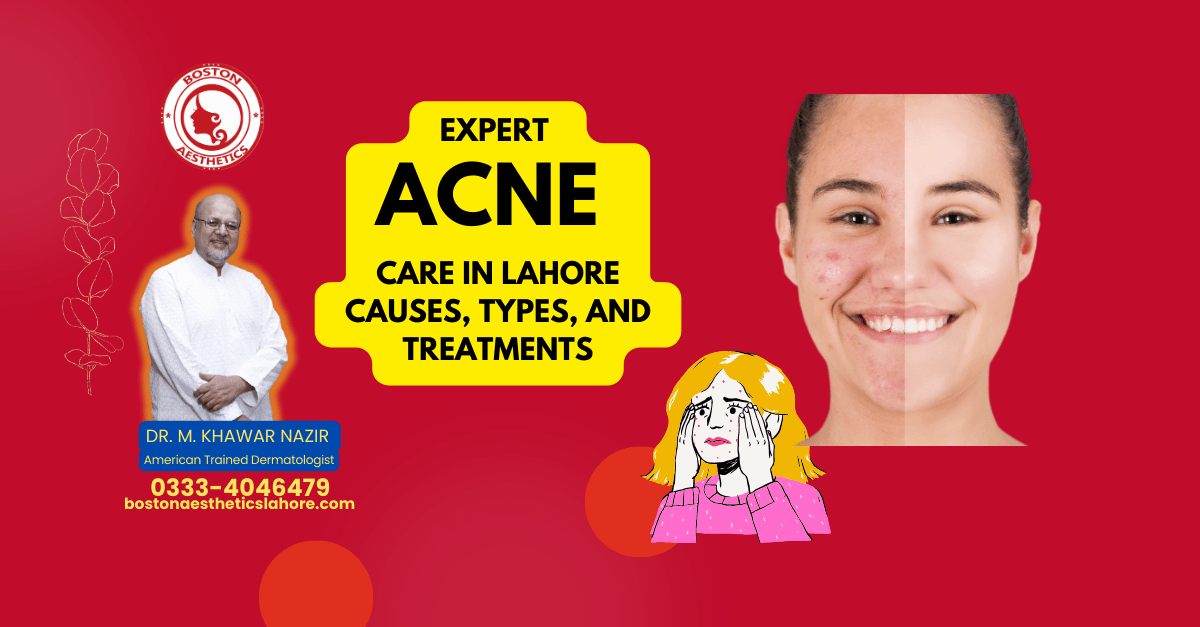
Expert Acne Care in Lahore: Understanding Causes, Types, and Effective Treatments
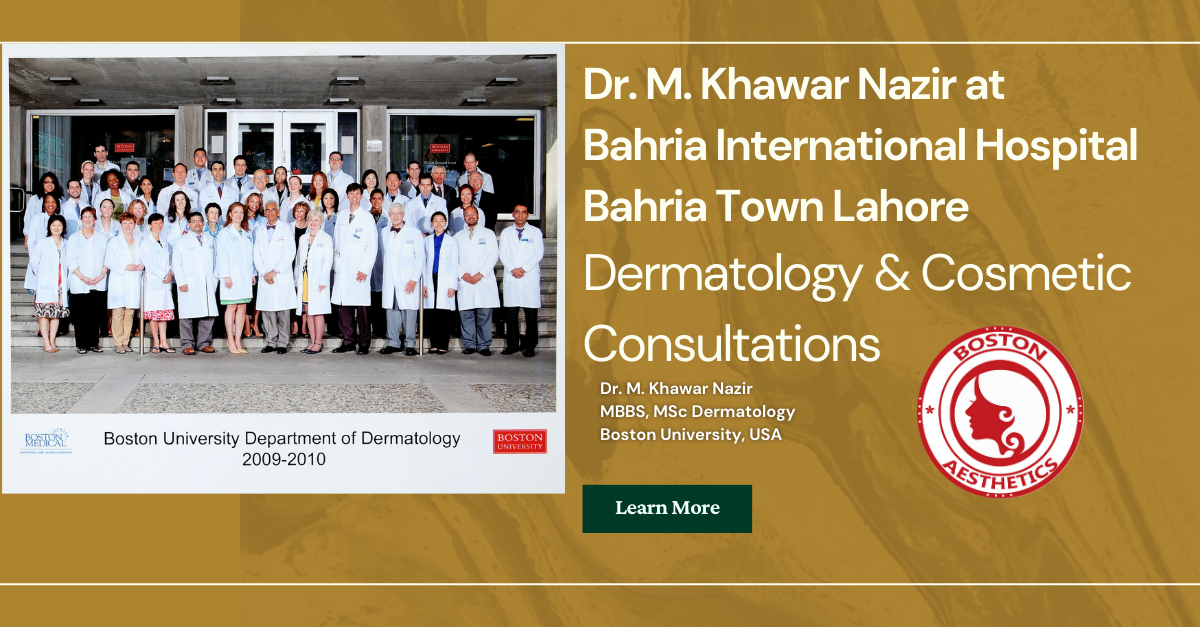
Acne is one of the most common skin concerns affecting people of all ages. For residents of Lahore, where climate and pollution play significant roles, managing acne can be particularly challenging. Understanding the causes, types, and treatment options for acne can empower individuals to take control of their skin health. This blog, authored by Dr. M. Khawar Nazir, MBBS, MSc Dermatology, Boston University, USA, an American-trained dermatologist at Boston Aesthetics in Lahore, delves into everything you need to know about acne and its treatment.
What is Acne? A Comprehensive Guide
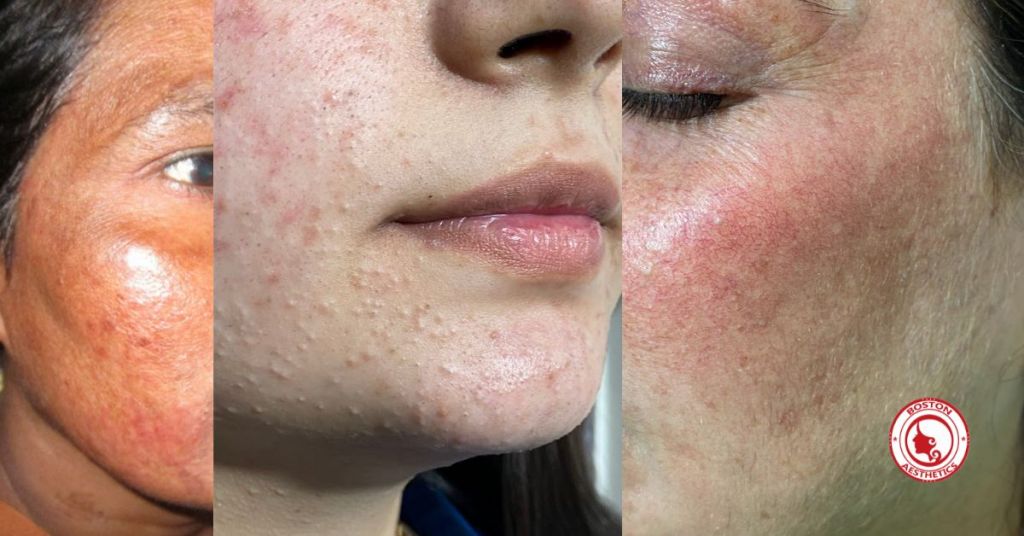
Acne is a prevalent skin condition that arises when hair follicles become clogged with sebum (natural oil produced by the skin) and dead skin cells. This blockage creates an environment where bacteria can thrive, leading to inflammation and the development of various types of blemishes. Acne manifests in several forms, including blackheads, whiteheads, papules, pustules (commonly known as pimples), nodules, and cysts, each differing in severity and appearance.
How Acne Develops
The process begins within the hair follicles, also known as pores, where sebaceous glands produce oil to keep the skin moisturized. When there is an overproduction of oil, combined with the accumulation of dead skin cells, the pore becomes clogged. If bacteria, particularly Cutibacterium acnes, invade the clogged pores, it results in swelling, redness, and pus formation.
Common Symptoms and Types of Acne
Acne can range from mild to severe and may present as:
- Blackheads: Open clogged pores with darkened surfaces due to oxidation.
- Whiteheads: Closed clogged pores, appearing as small, flesh-colored bumps.
- Papules: Small red or pink raised bumps, caused by inflammation.
- Pustules: Inflamed lesions filled with pus, often with a white or yellow center.
- Nodules: Large, painful lumps deep under the skin’s surface.
- Cysts: Severe, pus-filled lesions that can cause scarring.
Who Gets Acne?
While acne is most commonly associated with adolescence, due to hormonal changes during puberty, it can affect individuals of any age. Adult acne is increasingly recognized, with factors like hormonal imbalances, stress, diet, certain medications, and improper skincare routines contributing to its onset.
Impact of Acne
Acne is not just a cosmetic concern; it can have significant psychological effects, including reduced self-esteem, social anxiety, and even depression. It is crucial to address acne early to minimize its impact and prevent long-term scarring.


Why Seek Expert Acne Care in Lahore?
Lahore’s diverse climate, combined with factors like pollution and dietary habits, can exacerbate acne. Seeking professional dermatological care ensures a tailored approach to managing acne effectively. Treatments are designed not only to control outbreaks but also to address underlying causes, restore skin health, and prevent future flare-ups.
Addressing acne with proper guidance and treatments is the first step towards achieving clear, healthy skin. Trust expert dermatological care in Lahore to help you manage and overcome acne challenges.
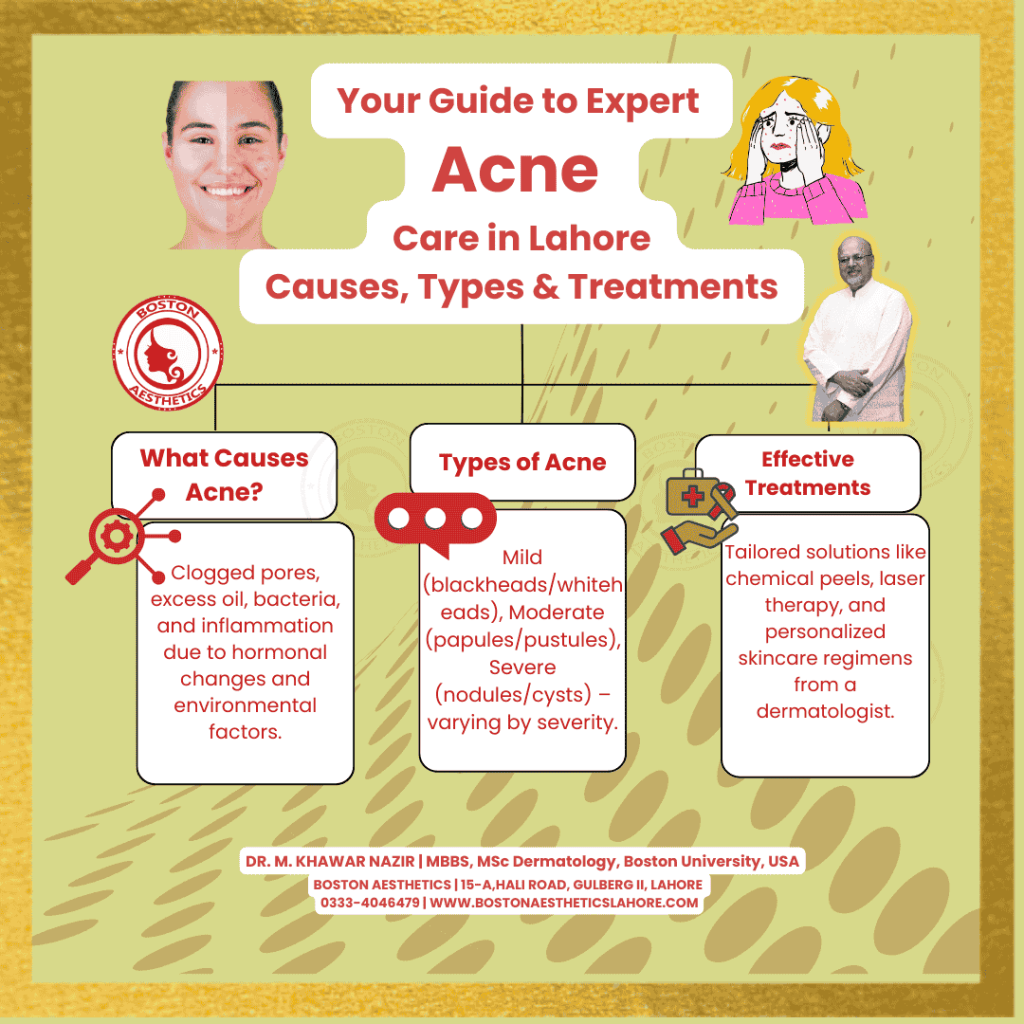
Causes of Acne Understanding the root causes of acne is essential for effective treatment. The primary factors include:
- Excess Oil Production: Overactive sebaceous glands produce excess sebum, which can clog pores.
- Dead Skin Cell Buildup: Dead cells that fail to shed properly block pores.
- Bacterial Growth: Propionibacterium acnes (P. acnes) bacteria thrive in clogged pores, causing inflammation.
- Hormonal Changes: Hormonal fluctuations during puberty, pregnancy, or menstrual cycles can trigger acne.
- Lifestyle Factors: Stress, diet (high in sugars or dairy), and lack of sleep may exacerbate acne.
- Environmental Triggers: Pollution and humidity in Lahore’s climate can worsen acne.
Types of Acne Acne comes in various forms, each requiring a tailored treatment approach:
- Blackheads and Whiteheads: Non-inflammatory and caused by clogged pores.
- Papules: Small, red, and tender bumps.
- Pustules: Pimples with pus at the tips.
- Nodules: Large, painful lumps under the skin.
- Cystic Acne: Severe and deep acne filled with pus, often leading to scars.
Types of Acne According to Severity: A Comprehensive Guide
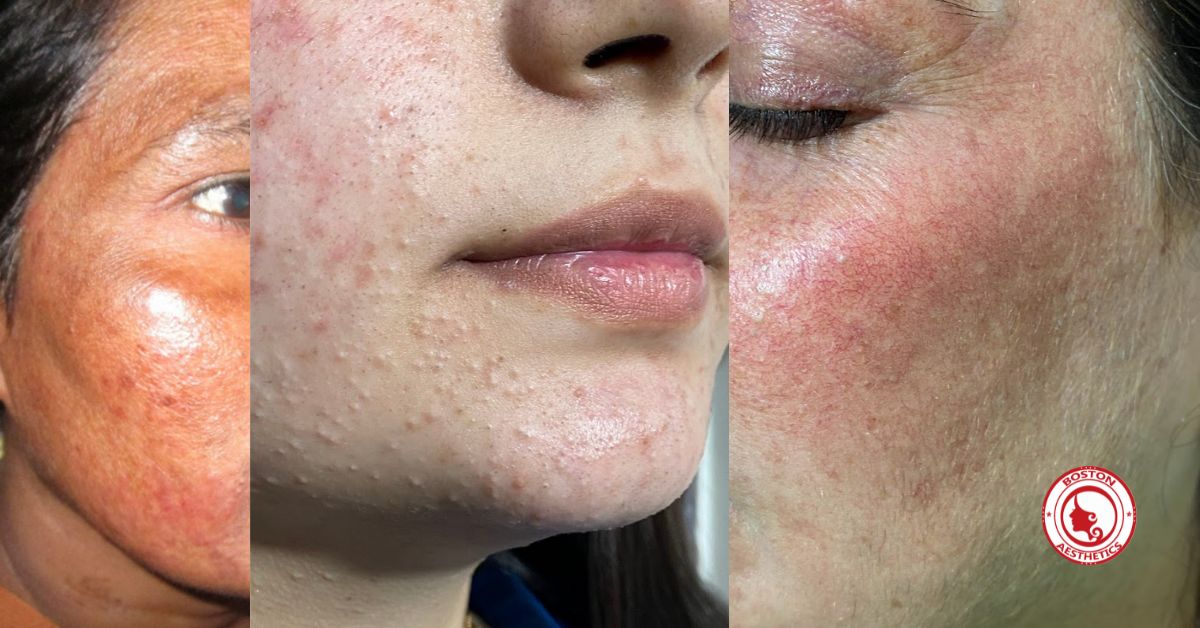
Acne is not a one-size-fits-all condition. It varies significantly in its severity, appearance, and the required treatment approach. Dermatologists classify acne into three main categories based on severity: mild, moderate, and severe. Each type requires specific care and treatment to ensure effective management and minimize the risk of scarring or long-term skin damage.
1. Mild Acne
Mild acne is the least severe form, typically characterized by the presence of:
- Blackheads: Open comedones with darkened surfaces caused by oxidation.
- Whiteheads: Closed comedones appearing as small, flesh-colored bumps.
- Occasional Pimples: Small, non-inflammatory pustules.
Appearance
- Lesions are few in number and often limited to small areas like the forehead, nose, or chin.
- Minimal redness or inflammation.
Management of Mild Acne
Skincare Routine:
- Use a gentle cleanser with salicylic acid to unclog pores.
- Apply non-comedogenic moisturizers to prevent skin dryness.
Topical Treatments:
- Benzoyl peroxide (2.5% to 5%) to reduce bacteria and inflammation.
- Retinoids such as adapalene to promote cell turnover and prevent clogged pores.
- Alpha hydroxy acids (AHAs) like glycolic acid for gentle exfoliation.
Lifestyle Changes:
- Avoid touching or picking at the skin.
- Use oil-free and non-comedogenic makeup products.
With consistent care, mild acne typically resolves within weeks to a few months.
- Infographics in dermatology
- Patient Awareness Campaigns on Steroid-Induced Dermatitis | Boston Aesthetics Lahore
- 5 Proven Ways to Calm Mind & Glow Skin in Lahore
- 5 Steps to Confident Nose Reshaping in Lahore
- 5 Shocking Truths About Lip Laser Rejuvenation
2. Moderate Acne
Moderate acne involves a more significant number of lesions, with a mix of:
- Papules: Inflamed red bumps without pus.
- Pustules: Pimples filled with white or yellow pus.
- Occasional Nodules: Deeper, more painful lumps under the skin.
Appearance
- The affected areas often include the face, chest, and back.
- Visible inflammation and redness around the lesions.
- Increased risk of hyperpigmentation after healing.
Management of Moderate Acne
Skincare Routine:
- Use a gentle foaming cleanser to reduce excess oil.
- Apply alcohol-free toners with ingredients like niacinamide to reduce redness and strengthen the skin barrier.
Topical and Oral Treatments:
- Topical: Combine benzoyl peroxide and a retinoid for enhanced effectiveness.
- Oral Antibiotics: Doxycycline or minocycline to reduce bacterial activity and inflammation (short-term use).
- Hormonal Therapy: Birth control pills or spironolactone for women with hormonally driven acne.
In-Office Procedures:
- Chemical Peels: Help exfoliate the skin and clear clogged pores.
- Light Therapy: Blue light therapy to target acne-causing bacteria.
- Extraction: Professional removal of blackheads and whiteheads.
Moderate acne often requires 3-6 months of consistent treatment to see noticeable improvement.
3. Severe Acne
Severe acne is the most intense form, characterized by:
- Nodules: Large, painful lumps under the skin’s surface.
- Cysts: Deep, pus-filled lesions that can leave scars.
- Widespread Lesions: Covering large areas of the face, neck, chest, back, or shoulders.
Appearance
- Highly inflamed and red.
- Painful to touch.
- Significant risk of scarring and post-inflammatory hyperpigmentation.
Management of Severe Acne
Dermatologist Consultation:
- Severe acne requires immediate medical attention to prevent scarring.
Prescription Treatments:
- Isotretinoin (Accutane): A powerful oral medication to target all aspects of acne, including oil production, bacteria, and inflammation.
- Oral Antibiotics: Used in combination with topical treatments to control severe flare-ups.
- Corticosteroid Injections: Reduce swelling and pain in large nodules or cysts.
Skincare Routine:
- Use fragrance-free, hypoallergenic products to avoid irritation.
- Cleanse gently with lukewarm water and non-irritating cleansers.
In-Office Procedures:
- Laser Treatments: Reduce acne scars and inflammation.
- Chemical Reconstruction of Skin Scars (CROSS): Effective for treating deep scars left by cystic acne.
- Subcision: Breaks down fibrous scar tissue for smoother skin.
Key Takeaway
Understanding the severity of acne is essential to determine the right treatment approach. Whether dealing with mild blackheads or severe cystic acne, early intervention can significantly improve outcomes and prevent long-term complications. Consult a qualified dermatologist in Lahore for personalized acne care tailored to your skin type and severity level.
Treatment Options for Acne At Boston Aesthetics, Lahore, we offer evidence-based acne treatments that address both the symptoms and underlying causes:
- Topical Treatments: Creams containing salicylic acid or benzoyl peroxide.
- Chemical Peels: Help exfoliate and reduce acne marks.
- Laser Therapy: Targets bacteria and reduces oil production.
- Microneedling: Promotes skin repair and reduces scars.
- Light Therapy: Effective for reducing inflammation and bacterial growth.
- Lifestyle Modifications: Advice on diet, skincare routines, and stress management.
How Long Does Acne Treatment Take? Treatment duration varies based on the severity and type of acne. Mild cases may resolve within weeks, while severe acne might require several months of consistent care. Regular follow-ups with a dermatologist ensure progress and adjustments to the treatment plan.
Post-Acne Concerns: Spots and Scars Many individuals in Lahore are concerned about lingering acne marks. At Boston Aesthetics, we specialize in treating post-acne hyperpigmentation and scars using advanced techniques:
- Chemical Peels: Reduce dark spots and improve skin tone.
- Microneedling: Stimulate collagen and repair scars.
- Laser Resurfacing: Reduces the appearance of scars and improves texture.
- Dermal Fillers: Help improve the appearance of deep scars.
Prognosis for Acne With the right care, acne can be effectively managed, and scars minimized. Early intervention is crucial to prevent long-term damage and maintain confidence.
Comprehensive Acne FAQ: Your Most Pressing Questions Answered
Acne is a multifaceted skin condition that prompts numerous questions about its causes, treatment, and prevention. Below is an expertly curated, SEO-optimized FAQ addressing the most common acne-related concerns, providing evidence-based insights to guide you toward clear, healthy skin.
Understanding Acne
What is acne?
Acne is a skin condition caused by clogged hair follicles due to excess oil (sebum), dead skin cells, and bacteria. It manifests as blackheads, whiteheads, pimples, nodules, or cysts.
What is the main cause of acne?
The primary causes include hormonal changes, overproduction of sebum, clogged pores, bacterial growth (Cutibacterium acnes), and inflammation.
Is acne genetic?
Yes, genetics play a role in determining your skin type and susceptibility to acne.
Is acne a lifelong disease?
Acne is not a lifelong disease, but its duration varies. Hormonal acne may persist into adulthood, while most people see improvements after their teenage years.
Factors That Worsen Acne
What causes acne to worsen?
Several factors can aggravate acne, including:
- Stress
- Poor dietary habits (high sugar, dairy-rich diets)
- Use of comedogenic skincare or makeup products
- Hormonal fluctuations
- Environmental factors like pollution
Is stress a cause of acne?
Yes, stress triggers the release of cortisol, which can increase sebum production, exacerbating acne.
Which foods cause acne?
Diets high in refined sugars, processed foods, and dairy are linked to increased acne severity.
Why do I have acne on my cheeks?
Cheek acne is often caused by:
- Phone usage, which transfers bacteria to the skin
- Pillowcases or makeup brushes that are not cleaned regularly
- Hormonal imbalances
Prevention and Management
How can I prevent acne?
- Maintain a consistent skincare routine with non-comedogenic products.
- Cleanse your face twice daily to remove excess oil and dirt.
- Eat a balanced diet rich in antioxidants and low in refined sugars.
- Manage stress through exercise and relaxation techniques.
- Consult a dermatologist for tailored advice.
Does ice help acne?
Ice can reduce redness and swelling in inflamed acne but does not address its root cause.
Can I rub ice on my face every day?
Daily use of ice is safe but should not replace proper skincare or treatment for acne.
Is acne completely curable?
Acne can be effectively managed and minimized, but recurrence depends on individual factors like genetics and lifestyle.
Treatments for Acne
Which treatment is best for acne?
The best treatment depends on the severity:
- Mild Acne: Over-the-counter products with salicylic acid or benzoyl peroxide.
- Moderate Acne: Prescription retinoids or antibiotics.
- Severe Acne: Oral isotretinoin, laser therapy, or chemical peels under a dermatologist’s care.
How can I stop my acne permanently?
A combination of lifestyle changes, consistent skincare, and professional treatments can help manage acne long-term.
What kills acne the fastest?
Spot treatments with benzoyl peroxide or salicylic acid can help reduce acne quickly, but lasting results require a comprehensive approach.
What is the best treatment for acne scars?
Effective options include:
- Microneedling to improve skin texture.
- Laser therapy to reduce pigmentation and scars.
- Chemical peels for exfoliation and skin renewal.
Can diet affect acne?
Yes, reducing high-glycemic foods and dairy can improve acne in many individuals.
Acne in Adults
Is acne treatable at any age?
Yes, treatments are available for teenagers and adults. Hormonal acne in adults may require specialized treatments like hormonal therapy or retinoids.
What age is acne the worst?
Acne peaks during adolescence (ages 12–18) due to hormonal fluctuations but can persist in some adults.
At what age does acne go away forever?
For most individuals, acne subsides by their late 20s or early 30s.
Additional Acne Questions
Why do I get pimples on my nose?
Nose pimples often result from excess oil production and clogged pores in the T-zone, a high-sebum area.
What is a blind pimple?
A blind pimple is a deep, inflamed acne lesion that does not have a visible head.
Can phone usage cause acne?
Yes, prolonged phone contact transfers bacteria and oil to your face, leading to breakouts.
How can I clear acne on my face?
- Use a gentle cleanser and avoid harsh scrubs.
- Apply products containing benzoyl peroxide or salicylic acid.
- Seek professional advice for persistent acne.
How to remove pimples overnight?
While complete removal overnight is unlikely, applying a spot treatment with benzoyl peroxide or using ice can reduce inflammation.
Do acne scars go away?
Superficial scars may fade over time, but deep scars often require dermatological treatments like lasers or fillers.
Skin Health and Acne
Does vitamin C help acne?
Yes, vitamin C is an antioxidant that reduces inflammation and promotes skin healing, making it beneficial for acne-prone skin.
Can I use vitamin C at night?
Yes, vitamin C can be used at night, followed by a moisturizer to repair and brighten the skin.
Does vitamin E help acne?
Vitamin E has antioxidant properties but may clog pores in some individuals, so consult a dermatologist before use.
Lifestyle and Acne
Is acne attractive?
Beauty is subjective, and confidence is key. Acne does not define one’s attractiveness.
Do all girls get acne?
Acne affects both genders, though women may experience it more during hormonal fluctuations like menstruation.
Why do I have acne on my butt?
Buttock acne, often caused by folliculitis, results from friction, sweating, or tight clothing.
How to get rid of armpit pimples?
Keep the area clean, avoid tight clothing, and use antibacterial cleansers. For persistent issues, consult a dermatologist.
How to shrink a pimple in minutes?
Applying ice or a spot treatment with salicylic acid can temporarily reduce size and redness.
Final Thoughts
Managing acne requires a tailored approach, from lifestyle adjustments to professional treatments. For those in Lahore, consulting a dermatologist can provide personalized care to address all aspects of acne, from prevention to treatment and scar management. Clear skin is achievable with the right guidance and consistent effort.
Conclusion Acne may be common, but it doesn’t have to control your life. With expert care from Dr. M. Khawar Nazir at Boston Aesthetics in Lahore, you can achieve clearer, healthier skin. Early treatment and a holistic approach are the keys to managing acne effectively.
Contact Boston Aesthetics, located in Gulberg, Lahore, for a personalized consultation. Your journey to flawless skin starts here!
Contact Information
Boston Aesthetics Lahore
15-A, Hali Road, Gulberg II, Lahore
For Aesthetic Treatments Appointment: 03334046479
Dr. M. Khawar Nazir, MBBS, MSc Dermatology, Boston University, USA
American Trained Dermatologist
Dermatologist, Cosmetic, LASER & Hair Transplant Surgeon
Also Available at Bahria Town Hospital
For consultations at Bahria International Hospital, Bahria Town Lahore, call at 042-111-296-297 for an appointment today.
If you can’t make it to the clinic, don’t worry—your skin health is still our priority. Dr. M. Khawar Nazir offers convenient online video consultations, allowing you to receive expert advice and personalised care from the comfort of your home. Whether you’re managing ongoing treatment or seeking advice on new concerns, our virtual consultations provide you with the same level of attention and care as an in-person visit. To book your online consultation, simply call or WhatsApp us at 03334046479.
Author Information:
Dr. M. Khawar Nazir, MBBS, MSc Dermatology, Boston University, USA
American Trained Dermatologist in Lahore
Dermatologist, Cosmetic, LASER & Hair Transplant Surgeon
Boston Aesthetics, 15-A, Hali Road, Gulberg II, Lahore | 03334046479

Leave a Reply