

Dangers of Self-Medicating Fungal Infections with Strong Topical Steroids
By Dr. M. Khawar Nazir, MBBS, MSc Dermatology, Boston University, USA
American Trained Dermatologist/ Skin Specialist in Lahore
Introduction
Have you ever reached for a tube of strong topical steroids to treat a persistent fungal infection? While these creams might seem like a quick fix, they often cause more harm than good. Fungal infections are common in Lahore due to the hot and humid climate, but using inappropriate treatments like steroids can worsen the condition, leading to serious side effects. This blog, written by Dr. M. Khawar Nazir, an American-trained dermatologist at Boston Aesthetics, Lahore, will guide you through the risks of self-medication and provide expert advice on managing fungal infections safely.

What Are Strong Topical Steroids?
Strong topical steroids are prescription medications used to treat inflammatory skin conditions like eczema or psoriasis. They work by suppressing inflammation and reducing redness and swelling. However, they are not designed to treat infections, especially fungal infections.
Topical Steroids Side Effects
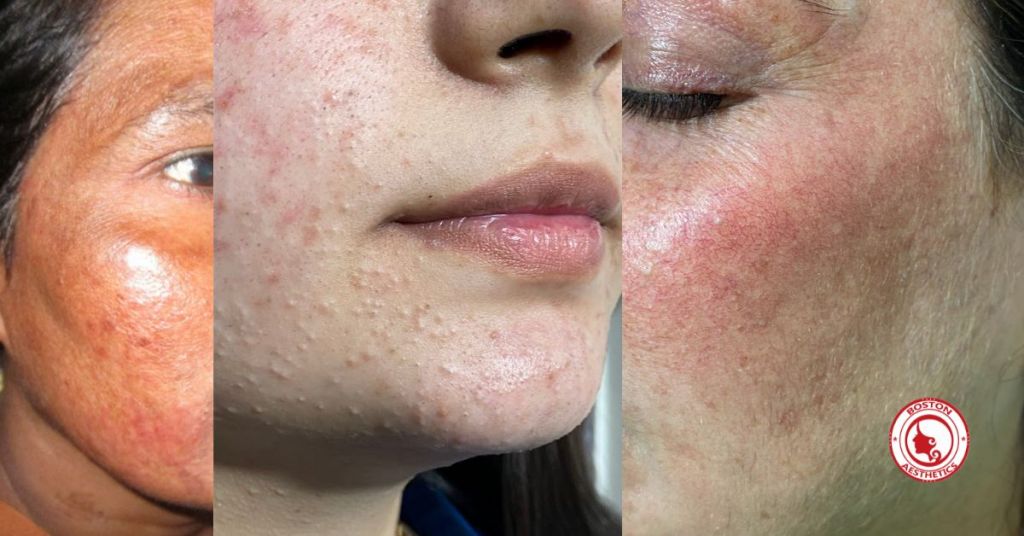
Using these steroids on fungal infections often leads to:
- Masking symptoms while the infection spreads.
- Thinning of the skin (atrophy).
- Persistent discoloration and sensitivity.



Why Are Fungal Infections Common in Lahore?
Lahore’s climate, characterised by humidity and heat, creates the perfect environment for fungal infections like ringworm or athlete’s foot. Many people turn to over-the-counter creams without understanding the cause of their skin issues, worsening the problem.
The Risks of Self-Medicating Fungal Infections
Self-medication might seem convenient, but it comes with significant risks:
Self-Medication Risks
- Delayed Proper Treatment: Steroids only mask symptoms without addressing the infection, causing delays in proper diagnosis and treatment.
- Steroid-Modified Fungal Infections: Prolonged use of steroids can create drug-resistant fungal infections.
- Worsening Symptoms: Redness, swelling, and severe itching often escalate with improper use of steroids.
How to Recognize Steroid-Modified Fungal Infections
These infections appear as widespread, atypical rashes. You may notice increased redness, irregular edges, and severe itching.
Professional Dermatologist Advice: When to Seek Help
If you notice persistent skin issues, consult a dermatologist. Dr. M. Khawar Nazir at Boston Aesthetics, Lahore, provides accurate diagnosis and treatment for fungal infections to prevent complications.
- Infographics in dermatology
- Patient Awareness Campaigns on Steroid-Induced Dermatitis | Boston Aesthetics Lahore
- 5 Proven Ways to Calm Mind & Glow Skin in Lahore
- 5 Steps to Confident Nose Reshaping in Lahore
- 5 Shocking Truths About Lip Laser Rejuvenation
Treatment Options for Fungal Infections
Fungal Infection Treatment Lahore
- Topical Antifungal Creams: The first line of treatment to eliminate fungal growth.
- Oral Antifungal Medications: Prescribed for severe or widespread infections.
- Hygiene Practices: Keeping the skin dry and clean is vital.
- Personalized Treatment Plans: Available at Boston Aesthetics for complete care.
Why Does It Seem Like My Fungal Infection Is Getting Worse After Stopping Steroid Creams?
Imagine you’ve been using a strong steroid cream for weeks to treat a fungal infection. Initially, it seemed to help—the redness faded, and the itching got better. But after stopping the cream and starting the antifungal treatment prescribed by your dermatologist, the infection appears worse. What’s happening?
Here’s the explanation: Steroid creams don’t treat fungal infections. Instead, they mask the symptoms. While the cream may reduce redness and itching temporarily, it doesn’t eliminate the fungus. In fact, steroids can suppress your skin’s natural defense and allow the fungal infection to spread deeper or wider, all while appearing “better” on the surface.
When you visit a dermatologist, they stop the steroid creams and prescribe proper antifungal treatments. This change can initially make the infection appear worse because the steroids were hiding the real problem. As the steroids wear off, the true extent of the infection becomes visible—this is called “unmasking.”
Why Does This Happen?
- Steroids Were Hiding the Infection: The cream suppressed inflammation, making the infection look smaller or less severe than it actually was.
- The Fungus Spread Underneath: Without proper antifungal treatment, the fungus continued to grow beneath the surface.
- Unmasking the Infection: Once you stop the steroids, the skin shows the full extent of the infection.
Trust the Process—Your Skin Will Heal
It’s important to understand that this is a temporary phase. The antifungal creams prescribed by your dermatologist are now targeting the fungus directly. It might take some time, but with consistent treatment, your skin will heal. Be patient, follow your dermatologist’s advice, and avoid using steroid creams again without proper medical guidance.
If you’re worried or confused, talk openly with your dermatologist. At Boston Aesthetics, Lahore, we’re here to guide you through your skin treatment and help you understand each step of the healing process.
FAQs
Top Questions About Fungal Infections and Steroid Creams
1. What happens if you put steroid cream on a fungal infection?
Using a steroid cream on a fungal infection might initially reduce redness and itching, but it doesn’t treat the fungus. Instead, it can suppress the immune response, allowing the fungal infection to grow worse or spread.
2. Do fungal infections get worse with steroids?
Yes, steroids can worsen fungal infections. While they mask symptoms temporarily, they suppress the body’s natural defenses, enabling the fungus to thrive unchecked.
3. Can I use steroid cream and antifungal cream at the same time?
This should only be done under the guidance of a dermatologist. In some cases, combining these treatments can be useful, but using steroid creams incorrectly can worsen fungal infections.
4. Why is my fungal infection not curing?
Persistent fungal infections may be due to incorrect treatment, such as the use of steroids, poor hygiene, or an underlying condition. A dermatologist can help identify the root cause and prescribe effective treatment.
5. How do I know if a fungal infection is healing?
As the infection heals, redness and swelling will decrease, and the itching will subside. The skin will slowly return to its normal color and texture. Be patient, as healing may take time depending on the severity of the infection.
6. What is the strongest treatment for fungal infection?
Prescription antifungal medications, either topical or oral, are the most effective treatments. Your dermatologist will recommend the right option based on the severity and location of the infection.
7. Can antifungal creams be harmful?
Antifungal creams are generally safe when used as directed. However, improper use or combining them with steroid creams without medical advice can lead to complications.
8. What happens if you use too much topical steroid cream?
Overusing steroid creams can cause side effects such as skin thinning, discoloration, and increased risk of infections. Long-term misuse can lead to severe skin damage.
9. What are the symptoms of fungal overload?
Symptoms of fungal overload include persistent itching, redness, swelling, flaky or scaly patches, and a foul odor. Severe cases may cause widespread rashes or cracks in the skin.
10. How can I boost my immune system to fight fungal infections?
To strengthen your immune system:
- Eat a balanced diet with fruits, vegetables, and lean proteins.
- Stay hydrated.
- Get adequate sleep and manage stress.
- Maintain good hygiene and keep your skin dry.
11. What kills fungus completely?
Proper antifungal treatments—both topical and oral—combined with good hygiene and keeping the skin dry, are essential to completely eliminate fungal infections.
12. Do topical steroids increase the risk of infection?
Yes, topical steroids can increase the risk of infections, including bacterial and fungal, by suppressing the immune response in the skin.
13. What is the use and abuse of topical steroids?
Topical steroids are effective for treating inflammatory skin conditions when used correctly. However, their abuse, such as prolonged use without medical guidance or using them on fungal infections, can lead to severe side effects like skin thinning, infections, and drug resistance.
14. What would make a fungal infection life-threatening?
In rare cases, untreated or improperly treated fungal infections can enter the bloodstream (systemic fungal infections), leading to life-threatening conditions. Early treatment is crucial.
15. What is the strongest natural antifungal?
Tea tree oil and coconut oil are known for their antifungal properties. However, natural remedies should be used cautiously and not replace dermatologist-recommended treatments.
Conclusion
Strong topical steroids are not a solution for fungal infections; they often exacerbate the problem. Proper diagnosis and treatment are essential to avoid complications. At Boston Aesthetics, Lahore, Dr. M. Khawar Nazir offers expert care to help you achieve healthy, infection-free skin.
Don’t let fungal infections affect your confidence. Book a consultation with Dr. M. Khawar Nazir at Boston Aesthetics, Lahore, for professional treatment tailored to your needs.
Contact Information
Boston Aesthetics Lahore
15-A, Hali Road, Gulberg II, Lahore
For Aesthetic Treatments Appointment: 03334046479
Dr. M. Khawar Nazir, MBBS, MSc Dermatology, Boston University, USA
American Trained Dermatologist
Dermatologist, Cosmetic, LASER & Hair Transplant Surgeon
Also Available at Bahria Town Hospital
For consultations at Bahria International Hospital, Bahria Town Lahore, call at 042-111-296-297 for an appointment today.
If you can’t make it to the clinic, don’t worry—your skin health is still our priority. Dr. M. Khawar Nazir offers convenient online video consultations, allowing you to receive expert advice and personalised care from the comfort of your home. Whether you’re managing ongoing treatment or seeking advice on new concerns, our virtual consultations provide you with the same level of attention and care as an in-person visit. To book your online consultation, simply call or WhatsApp us at 03334046479.
Author Information:
Dr. M. Khawar Nazir, MBBS, MSc Dermatology, Boston University, USA
American Trained Dermatologist in Lahore
Dermatologist, Cosmetic, LASER & Hair Transplant Surgeon
Boston Aesthetics, 15-A, Hali Road, Gulberg II, Lahore | 03334046479

Leave a Reply