

Introduction Stress impacts our mental and physical well-being, but did you know it can also cause premature aging of your skin? For many individuals in Lahore and across the world, stress has become an unavoidable part of daily life, accelerating the aging process and leading to dull, wrinkled, and fatigued skin. In this blog post, we’ll explore how stress ages your skin, its direct and indirect impacts, gender differences, management options, and when to seek professional help.
How Stress Impacts Skin Aging Stress triggers various hormonal and inflammatory responses in your body, many of which contribute to skin aging. When you’re under stress, your body releases cortisol—a hormone known as the “stress hormone”—which breaks down collagen and elastin, essential proteins that keep your skin smooth and firm. Over time, chronic stress weakens your skin’s ability to repair itself, accelerates the formation of wrinkles, and depletes moisture levels.
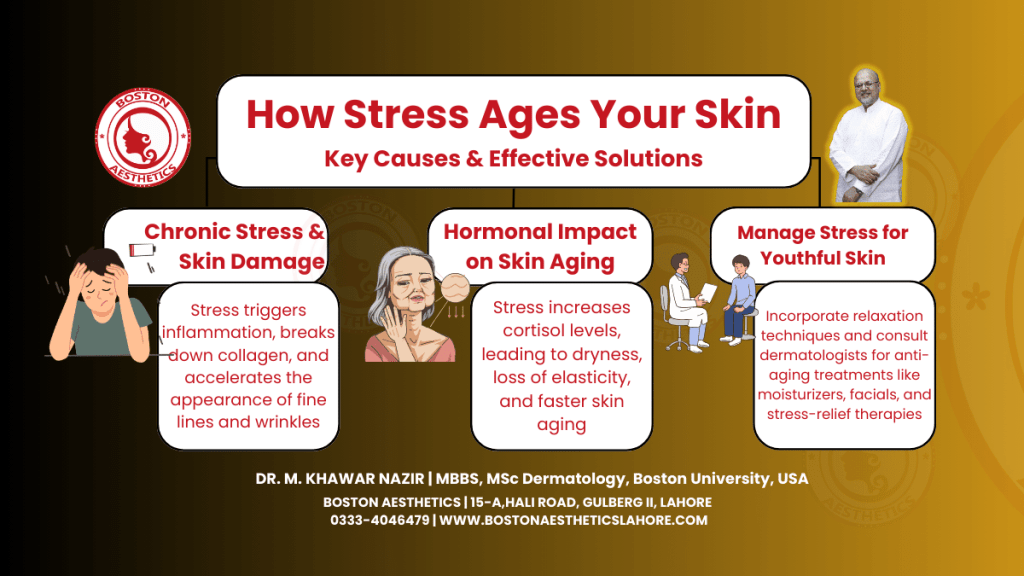
Stress and Skin Aging in Lahore: Causes, Symptoms, and Treatment
Direct Impact of Stress on Skin
- Increased Wrinkles & Fine Lines: Prolonged stress causes the skin to lose its elasticity as cortisol levels rise. This breakdown of collagen leads to premature wrinkles, fine lines, and sagging skin.
- Dullness & Dehydration: Stress hinders the skin’s ability to retain moisture, resulting in dull, dry, and rough texture.
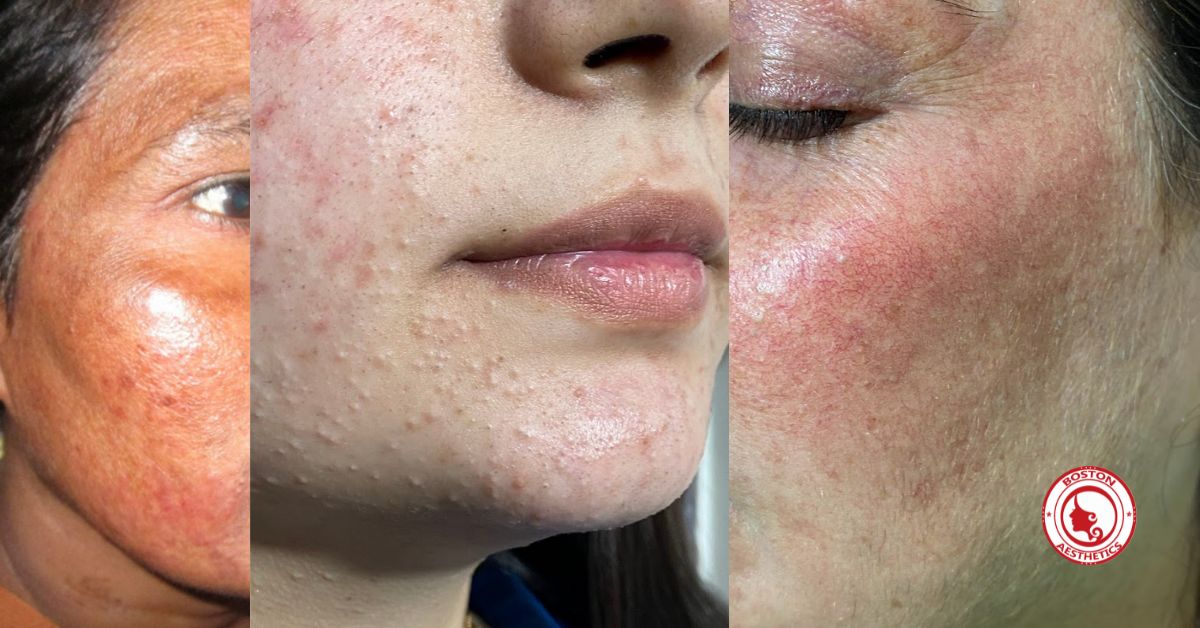
- Acne & Inflammation: Stress also triggers skin conditions like acne and rosacea, as it increases inflammation, which can exacerbate these issues.
- Dark Circles & Puffiness: Stress disrupts your sleep patterns, which often leads to dark circles and puffy eyes, signs commonly associated with aging.
Indirect Impact of Stress on Skin
Stress not only accelerates aging directly but also influences your overall habits and lifestyle choices. People dealing with chronic stress may develop poor habits that negatively impact their skin.
- Poor Diet: High-stress levels often lead to unhealthy eating patterns, including excessive consumption of sugar and fatty foods that can damage your skin.
- Lack of Sleep: Sleep deprivation due to stress disrupts your skin’s natural healing process, leading to faster aging.
- Neglect of Skincare: In stressful times, you may be less likely to follow a consistent skincare routine, which worsens skin aging.
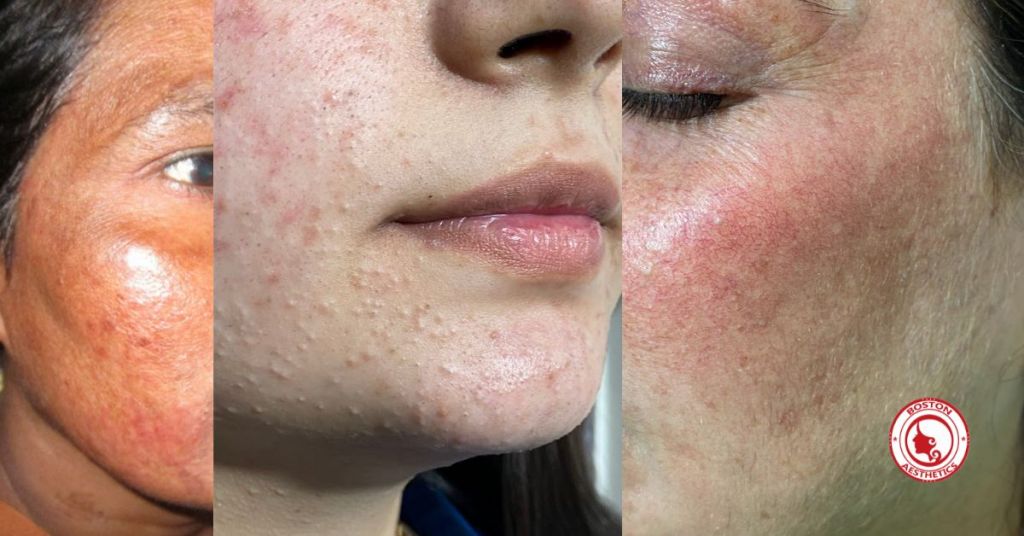

Gender Differences in Stress-Induced Skin Aging
Men vs. Women: How Stress Affects Skin Differently
Stress-induced aging doesn’t impact men and women in the same way. Hormonal differences, lifestyle factors, and skin thickness play a role in how stress manifests in the skin for each gender.
- Women: Hormonal fluctuations during menopause, pregnancy, or menstrual cycles can worsen the effect of stress on women’s skin. Women are more likely to experience skin dehydration, fine lines, and dark spots.
- Men: Men have thicker skin, which might delay visible signs of stress-related aging, but they are more likely to experience a faster breakdown of collagen, leading to deeper wrinkles.
Stress, Wrinkles & Anti-Aging Solutions in Lahore
Best Anti-Aging Treatments for Stress-Related Skin Aging At Boston Aesthetics, Lahore, we offer a range of expert treatments to combat stress-induced skin aging. Our solutions include:
- Chemical Peels: Exfoliate dead skin cells and stimulate collagen production.
- Laser Therapy: Rejuvenate the skin by reducing wrinkles, pigmentation, and uneven texture.
- HydraFacial: This treatment deeply cleanses and hydrates the skin, perfect for reversing the dull, dehydrated skin caused by stress.
- Skin Tightening Procedures: Advanced technologies like Radiofrequency and Ultrasound help to firm the skin and restore its youthful elasticity.
Managing Stress for Healthier Skin
Tips to Manage Stress and Improve Skin Health
- Mindfulness & Meditation: Regular mindfulness practices such as meditation help to reduce cortisol levels, which can slow down skin aging.
- Exercise Regularly: Physical activity increases blood flow to the skin, improving oxygen supply and aiding in the healing process.
- Healthy Diet: Eating a diet rich in antioxidants, omega-3 fatty acids, and vitamins can help to repair skin damage and promote collagen production.
- Sleep Hygiene: Ensure you get 7-9 hours of quality sleep to allow your skin to heal and regenerate.
- Hydration: Drinking plenty of water flushes out toxins and keeps your skin plump and youthful.
When to Consult a Dermatologist If you’re noticing signs of premature aging caused by stress, such as fine lines, wrinkles, or dullness, consulting a dermatologist is crucial. At Boston Aesthetics in Lahore, we specialize in personalized anti-aging treatments tailored to your skin’s needs.
Dr. M. Khawar Nazir, American Trained Dermatologist at Boston Aesthetics, provides expert solutions, including advanced skin rejuvenation therapies and personalized stress management advice for optimal skin health.
- Patient Awareness Campaigns on Steroid-Induced Dermatitis | Boston Aesthetics Lahore
- 5 Proven Ways to Calm Mind & Glow Skin in Lahore
- 5 Steps to Confident Nose Reshaping in Lahore
- 5 Shocking Truths About Lip Laser Rejuvenation
- Does Sunblock Give Complete Sun Protection?
FAQs: Stress and Skin Aging
- Can stress cause permanent skin aging? Yes, chronic stress can accelerate the aging process by breaking down collagen and elastin, leading to permanent wrinkles.
- Is it possible to reverse stress-related skin aging? While you cannot completely reverse it, treatments like laser therapy and chemical peels can significantly reduce the appearance of wrinkles and fine lines.
- Which doctor should I see for stress-induced skin issues? A dermatologist is the best specialist to address skin-related concerns caused by stress. At Boston Aesthetics, we offer tailored anti-aging solutions.
- Does stress impact men’s and women’s skin differently? Yes, due to hormonal differences, stress can cause different aging patterns in men and women. Women are more prone to fine lines, while men may experience deeper wrinkles.
- How can I prevent skin aging due to stress? Managing stress through mindfulness, a healthy diet, regular skincare, and consulting a dermatologist for personalized treatment can slow down skin aging.
Summery Points
- Step 1: Identify the signs of stress-related skin aging (wrinkles, dullness, dark circles).
- Step 2: Manage stress with mindfulness, regular exercise, and hydration.
- Step 3: Consult a dermatologist for personalized anti-aging treatments.
Conclusion
Stress undeniably speeds up the aging process, but with the right skincare treatments, lifestyle modifications, and professional care, you can combat its effects and maintain healthy, youthful skin. At Boston Aesthetics, we offer a comprehensive range of anti-aging treatments designed to address stress-induced skin concerns.
For expert consultation, visit Boston Aesthetics, 15-A, Hali Road, Gulberg II, Lahore or call 0333-4046479 to schedule an appointment with Dr. M. Khawar Nazir, an American Trained Dermatologist.
Contact Information
Boston Aesthetics Lahore
15-A, Hali Road, Gulberg II, Lahore
For Aesthetic Treatments Appointment: 03334046479
Dr. M. Khawar Nazir, MBBS, MSc Dermatology, Boston University, USA
American Trained Dermatologist
Dermatologist, Cosmetic, LASER & Hair Transplant Surgeon
Also Available at Bahria Town Hospital
For consultations at Bahria International Hospital, Bahria Town Lahore, call at 042-111-296-297 for an appointment today.
If you can’t make it to the clinic, don’t worry—your skin health is still our priority. Dr. M. Khawar Nazir offers convenient online video consultations, allowing you to receive expert advice and personalised care from the comfort of your home. Whether you’re managing ongoing treatment or seeking advice on new concerns, our virtual consultations provide you with the same level of attention and care as an in-person visit. To book your online consultation, simply call or WhatsApp us at 03334046479.
Author Information:
Dr. M. Khawar Nazir, MBBS, MSc Dermatology, Boston University, USA
American Trained Dermatologist in Lahore
Dermatologist, Cosmetic, LASER & Hair Transplant Surgeon
Boston Aesthetics, 15-A, Hali Road, Gulberg II, Lahore | 03334046479

Leave a Reply