
The Silent Struggle with Body Dysmorphic Disorder
In the bustling city of Lahore, where societal standards and beauty ideals are deeply ingrained, many individuals find themselves obsessing over their appearance. But when does a healthy concern for appearance cross the line into a debilitating obsession? Body Dysmorphic Disorder (BDD) is a condition that affects countless people, yet it often goes undiagnosed. This blog post aims to shed light on BDD, its symptoms, and the importance of seeking help.
Body Dysmorphic Disorder Lahore – What Is It?
Body Dysmorphic Disorder is a mental health condition where an individual becomes excessively concerned with perceived flaws in their appearance. These flaws are often minor or imagined, but to the person with BDD, they can seem overwhelming and real. This condition can lead to severe emotional distress and impact daily life.
Understanding Body Dysmorphic Disorder Lahore – Breaking the Silence
BDD is more than just being self-conscious about your looks; it’s an obsession that can dominate your thoughts and lead to destructive behaviors. Common symptoms include:
- Constant Checking: Repeatedly looking in mirrors or avoiding them altogether.
- Excessive Grooming: Spending hours trying to fix or cover up perceived flaws.
- Seeking Reassurance: Frequently asking others about their appearance.
- Avoidance of Social Situations: Fear of being judged or ridiculed for their appearance.
- Pursuing Unnecessary Cosmetic Procedures: Continuously seeking surgeries or treatments to “correct” imagined defects.


Obsession with Appearance Lahore – When It Becomes Unhealthy
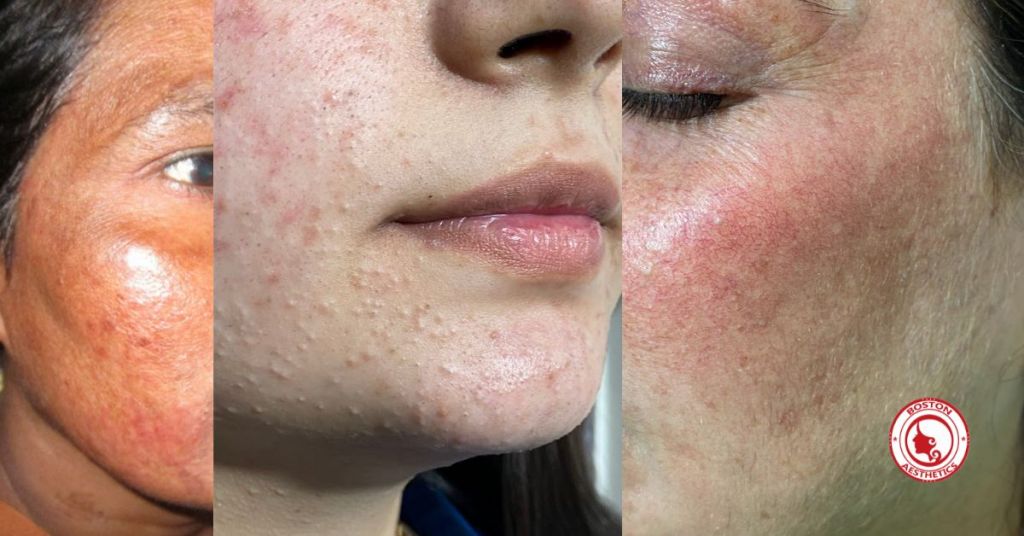
In Lahore, a city known for its beauty standards, the pressure to look perfect can be immense. BDD can cause individuals to fixate on specific aspects of their appearance, such as their skin, nose, or body shape. This obsession often leads to significant distress and can interfere with their ability to function in daily life.
Negative Body Image in Lahore – A Growing Concern
The rise of social media has amplified the focus on physical appearance, leading to a growing number of cases of negative body image and BDD. Many individuals in Lahore may feel pressured to conform to unrealistic beauty standards, which can trigger or exacerbate BDD symptoms.
Mental Health and Body Image Lahore – The Connection
Body Dysmorphic Disorder is not just about vanity; it’s a serious mental health issue that requires professional attention. BDD often coexists with other mental health conditions, such as anxiety, depression, and obsessive-compulsive disorder (OCD). It’s crucial to recognize the signs and seek help before the condition worsens.
Symptoms of Body Dysmorphic Disorder Lahore – Recognizing the Signs
Identifying the symptoms of BDD can be challenging, especially since the disorder often involves secretive behaviors. Key symptoms include:
- Preoccupation with Appearance: Spending hours each day worrying about perceived flaws.
- Comparing Appearance: Constantly comparing oneself to others.
- Seeking Validation: Continuously asking others for reassurance about their looks.
- Avoidance: Staying away from mirrors, photos, or social situations.
BDD Treatment Options Lahore – Finding the Right Help
Treating Body Dysmorphic Disorder requires a comprehensive approach, including therapy and, in some cases, medication. Common treatment options include:
- Cognitive Behavioral Therapy (CBT): This is the most effective treatment for BDD. CBT helps individuals challenge and change their distorted thoughts about their appearance.
- Medication: Antidepressants, particularly selective serotonin reuptake inhibitors (SSRIs), can help reduce BDD symptoms.
- Support Groups: Connecting with others who have BDD can provide comfort and reduce feelings of isolation.
- Infographics in dermatology
- Patient Awareness Campaigns on Steroid-Induced Dermatitis | Boston Aesthetics Lahore
- 5 Proven Ways to Calm Mind & Glow Skin in Lahore
- 5 Steps to Confident Nose Reshaping in Lahore
- 5 Shocking Truths About Lip Laser Rejuvenation
Boston Aesthetics: Mental Health Support Lahore – We Are Here for You
At Boston Aesthetics in Lahore, we understand the profound impact BDD can have on your life. Our team is dedicated to providing compassionate care and helping you regain control over your thoughts and emotions. We offer expert guidance and support to those struggling with BDD, emphasizing the importance of mental well-being alongside physical appearance.
Is Body Dysmorphic Disorder Real? Lahore – Addressing the Myths
Despite its serious nature, BDD is often misunderstood or dismissed as mere vanity. However, it’s important to recognize that BDD is a legitimate mental health disorder that can lead to severe consequences if left untreated. Early intervention is key to managing the condition and improving quality of life.
FAQ: Your Questions Answered
Q: What causes Body Dysmorphic Disorder?
A: The exact cause of BDD is unknown, but it’s believed to be a combination of genetic, environmental, and psychological factors. Stressful life experiences, bullying, and societal pressures can also contribute.
Q: Can BDD be cured?
A: While BDD can be managed effectively with therapy and medication, there is no cure. Ongoing treatment and support are essential for managing symptoms.
Q: How can I tell if I have BDD?
A: If you find yourself obsessing over your appearance, avoiding social situations, or seeking constant reassurance about your looks, you may have BDD. It’s important to seek professional help for an accurate diagnosis.
Q: Can BDD affect men?
A: Yes, BDD affects both men and women, although the specific concerns may differ. Men might fixate on muscle size or hair loss, while women might focus on their skin, weight, or facial features.
Q: What should I do if I think a loved one has BDD?
A: Encourage them to seek professional help and offer support. BDD is a serious condition that requires treatment from a mental health professional.
Understanding BDD in Lahore
- Recognize the Symptoms – Identify key signs like obsession with appearance and avoidance behaviors.
- Seek Professional Help – Consult a mental health expert for a diagnosis and treatment plan.
- Consider CBT – Engage in cognitive behavioral therapy to challenge distorted thoughts.
- Explore Medication – Discuss medication options like SSRIs with your doctor.
- Join Support Groups – Connect with others who understand what you’re going through.
BDD is a complex condition that requires understanding, compassion, and professional intervention. At Boston Aesthetics, we are committed to helping you navigate this journey with the care and support you deserve.
Contact Information
Boston Aesthetics Lahore
15-A, Hali Road, Gulberg II, Lahore
Appointments: 03334046479
Dr. M. Khawar Nazir, MBBS, MSc Dermatology, Boston University, USA
American Trained Dermatologist
Dermatologist, Cosmetic, LASER & Hair Transplant Surgeon
Also Available at Bahria Town Hospital
For consultations at Bahria International Hospital, Bahria Town Lahore, call at 042-111-296-297 for an appointment today.
If you can’t make it to the clinic, don’t worry—your skin health is still our priority. Dr. M. Khawar Nazir offers convenient online video consultations, allowing you to receive expert advice and personalised care from the comfort of your home. Whether you’re managing ongoing treatment or seeking advice on new concerns, our virtual consultations provide you with the same level of attention and care as an in-person visit. To book your online consultation, simply call or WhatsApp us at 03334046479.
Author Information:
Dr. M. Khawar Nazir, MBBS, MSc Dermatology, Boston University, USA
American Trained Dermatologist in Lahore
Dermatologist, Cosmetic, LASER & Hair Transplant Surgeon
Boston Aesthetics, 15-A, Hali Road, Gulberg II, Lahore | 03334046479

Leave a Reply