

Find the Best Sunscreen for Your Skin Type: A Complete Guide
In Lahore’s sunny and bustling environment, Boston Aesthetics Lahore, led by American Trained Dermatologist, Dr. M. Khawar Nazir, is here to guide you in protecting your skin from harmful UV rays. Sunscreen is a cornerstone of any effective skincare routine, especially in regions like Lahore, where the sun shines intensely year-round. This guide will help you choose the perfect sunscreen tailored to your skin type, ensuring your skin stays protected, healthy, and radiant in the vibrant climate of Lahore.
Understanding Sunscreen: The Basics
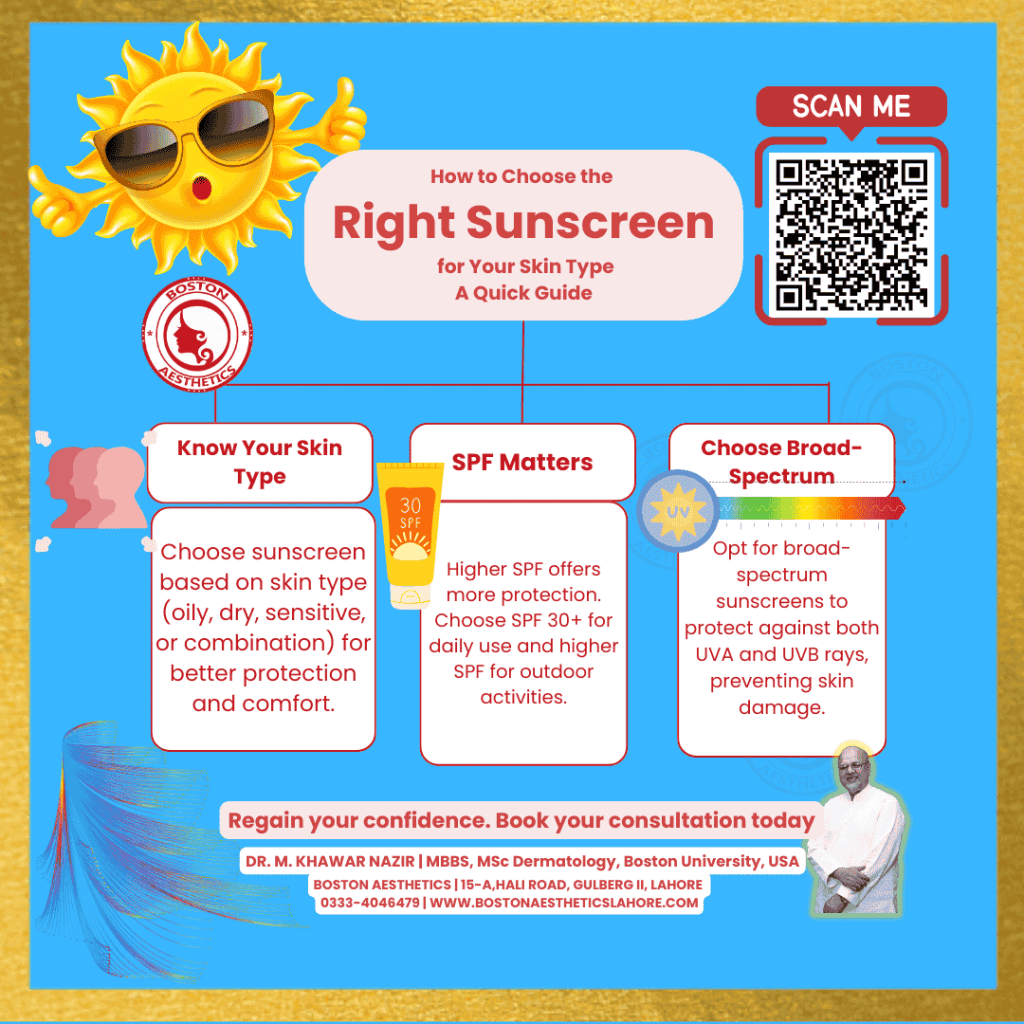
Sunscreen is your skin’s best defense against the harmful effects of the sun’s ultraviolet (UV) rays. There are two main types of UV rays that you need to be aware of:
- UVA Rays: These rays penetrate deep into the skin and are primarily responsible for aging.
- UVB Rays: These rays affect the surface of the skin and are the main cause of sunburn.
A good sunscreen should offer broad-spectrum protection, meaning it protects against both UVA and UVB rays. The Sun Protection Factor (SPF) indicates how well the sunscreen will protect your skin from UVB rays. For Lahore’s climate, a sunscreen with an SPF of at least 30 is recommended for daily use.

Identifying Your Skin Type
Before selecting a sunscreen, it’s essential to understand your skin type. The primary skin types are:
- Oily Skin: Characterized by excess sebum production, leading to a shiny complexion.
- Dry Skin: Lacks moisture, often leading to flakiness and a rough texture.
- Combination Skin: Features both oily and dry areas, usually oily in the T-zone and dry elsewhere.
- Sensitive Skin: Prone to irritation and redness, often reacting to skincare products.


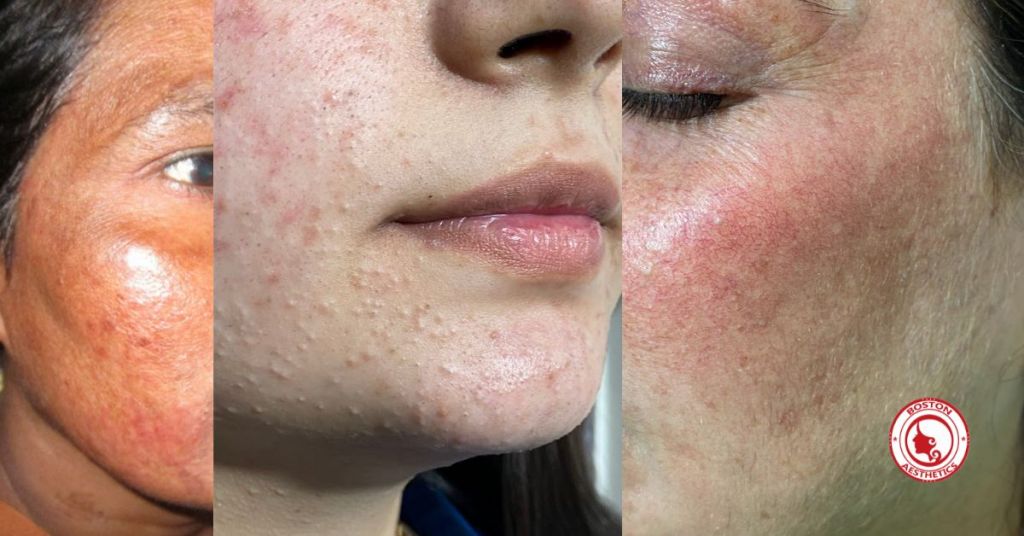

Choosing Sunscreen for Oily Skin
Oily skin needs a sunscreen that doesn’t clog pores or add extra shine. Look for products labeled “oil-free” or “non-comedogenic.” Gel-based or water-based sunscreens are ideal as they provide protection without making the skin greasy. Ingredients like niacinamide can help control oil production while still offering excellent UV protection.
Choosing Sunscreen for Dry Skin
Dry skin requires a sunscreen that provides adequate moisture in addition to UV protection. Look for sunscreens that contain hydrating ingredients like hyaluronic acid or glycerin. Cream-based sunscreens are generally more suitable for dry skin as they offer a thicker, more emollient texture.
Choosing Sunscreen for Combination Skin
Combination skin can be tricky to manage since it has both oily and dry areas. Opt for a lightweight, hydrating sunscreen that offers a balance between moisture and oil control. A good choice would be a sunscreen with a light, fluid texture that absorbs quickly without leaving a greasy residue.
Choosing Sunscreen for Sensitive Skin
If you have sensitive skin, you need a sunscreen that’s gentle and free from potential irritants like fragrance, alcohol, and preservatives. Mineral sunscreens containing zinc oxide or titanium dioxide are less likely to cause irritation as they sit on top of the skin and reflect UV rays rather than absorbing them.
Sunscreen Application Tips
To ensure maximum protection, apply sunscreen generously and evenly to all exposed areas of the skin at least 15 minutes before going outside. Don’t forget often-missed areas like the ears, back of the neck, and hands. Reapply every two hours, or more frequently if you’re swimming or sweating.
Why Sunscreen is Essential in Lahore’s Climate
Lahore’s climate can be harsh on the skin, with high temperatures and intense sun exposure. UV rays are at their peak during the midday hours, making sunscreen application critical. Regular use of sunscreen not only prevents sunburn but also reduces the risk of long-term skin damage, including premature aging and skin cancer.
Sunscreen Myths Debunked
Many misconceptions surround sunscreen use. Here are a few common myths:
- Myth: You only need sunscreen on sunny days.
- Fact: UV rays can penetrate through clouds, so sunscreen is necessary even on cloudy days.
- Myth: A higher SPF means better protection.
- Fact: SPF 30 blocks about 97% of UVB rays, while SPF 50 blocks 98%. No sunscreen can block 100% of UV rays.
- Myth: Darker skin tones don’t need sunscreen.
- Fact: While melanin provides some protection, people with darker skin tones still need sunscreen to prevent UV damage.
Sunscreen and Anti-Aging
One of the most significant benefits of sunscreen is its role in anti-aging. Regular use helps prevent wrinkles, fine lines, and sunspots, keeping your skin looking youthful for longer. In Lahore’s climate, where the sun is strong, daily sunscreen use is your best defense against premature aging.
| Topic | Detailed Answer | Why This Matters |
|---|---|---|
| What SPF Should I Use? | For daily use, an SPF of 30 is recommended, as it blocks 97% of UVB rays. If you have sensitive skin or spend more time outdoors, consider SPF 50 for better protection, blocking 98% of UVB rays. SPF 70 can be used for prolonged outdoor exposure. | SPF helps determine how long your skin can be exposed to the sun without burning. Higher SPF offers longer protection, especially for fair skin. |
| Can I Use Expired Sunblock? | No, it is not recommended to use expired sunblock. After the expiration date, the effectiveness of the sunscreen diminishes, and it may not offer adequate protection from harmful UV rays. Always check the expiration date before use. | Expired sunblock may not protect your skin from sun damage, leading to potential burns or premature aging. |
| Sunscreen vs. Sunblock | Sunscreen absorbs UV rays and converts them into heat, whereas sunblock forms a physical barrier that reflects UV rays off your skin. Sunblock is often recommended for sensitive skin and provides immediate protection. | Understanding the difference helps you choose the right product based on your skin type and needs. |
| Can I Use Sunblock Every Day? | Yes, sunblock should be used every day, even if you’re indoors. UV rays can penetrate windows and cause skin damage. For long-term skin health and to prevent aging, it’s essential to protect your skin from daily UV exposure. | Daily use of sunblock prevents premature aging, pigmentation, and reduces the risk of skin cancer. |
| Which SPF is Best? SPF 30 or 50? | SPF 30 is sufficient for most people for everyday use, blocking 97% of UVB rays. SPF 50 offers 98% protection and is ideal for extended outdoor activities or sensitive skin. SPF 70 provides only marginally more protection but is useful in extreme conditions. | Understanding SPF helps you choose the right product for your activity level and skin sensitivity. |
| Is SPF 70 Too Much? | SPF 70 isn’t harmful, but the difference in protection between SPF 50 and SPF 70 is minimal. However, it may be suitable for individuals with extremely fair skin or those who spend hours outdoors. | Choosing the correct SPF depends on the length of sun exposure and skin sensitivity. |
| How to Apply Sunscreen Correctly? | Apply a generous amount (about one ounce) of sunscreen to all exposed areas of the body. Reapply every two hours, and immediately after swimming or sweating. Don’t forget ears, neck, and lips. | Proper application ensures maximum protection against UV damage, which helps maintain healthy skin. |
| Does Sunscreen Make Skin Glow? | Sunscreen with added ingredients like Vitamin C or Niacinamide can improve skin tone and brightness. These antioxidants help protect the skin from oxidative damage caused by the sun while also enhancing skin radiance. | Sunscreen helps prevent sun damage, and with the right ingredients, it can brighten your skin over time. |
| Can Sunscreen Remove Dark Circles? | Sunscreen prevents further darkening of under-eye areas by blocking harmful UV rays. However, it does not remove dark circles. For effective dark circle treatment, consider additional skin-care products with ingredients like Vitamin C or Retinol. | Sunscreen helps prevent worsening of dark circles caused by sun exposure but doesn’t target the root cause. |
| Can I Apply Sunscreen at Night? | Sunscreen is designed to protect your skin during the day from harmful UV rays. At night, the focus should be on skin hydration and repair. Sunscreen is not necessary at night. | Use sunscreen during the day to prevent sun damage; nighttime is best for skin recovery and nourishment. |
| Which Sunblock is Best? | The best sunblock depends on your skin type. For oily skin, choose oil-free sunblocks. For dry skin, look for moisturizing formulations. Zinc oxide and Titanium Dioxide are preferred for sensitive skin, as they offer physical sun protection without irritation. | Choosing the right type based on your skin type ensures comfort and effectiveness. |
| Does Sunblock Block Vitamin D? | While sunblock may reduce the skin’s ability to produce vitamin D, it does not block it completely. Safe sun exposure for about 10-30 minutes a few times a week can help your body produce vitamin D while avoiding the risk of skin damage. | Sunblock reduces the risk of skin damage without fully blocking vitamin D synthesis. |
| How Long Does SPF 50 Last? | SPF 50 lasts about 2 hours when applied correctly. If you’re sweating or swimming, reapply more frequently to maintain protection. | Reapplying sunscreen regularly is crucial for continuous protection, especially after physical activity. |
| Can We Apply Sunscreen on Lips? | Yes, lips are susceptible to sun damage and should be protected with a lip balm that contains SPF. Look for lip balms with SPF 15 or higher to shield your lips from UV damage. | Lips are often neglected in sun protection, but they are just as vulnerable to UV damage as other skin areas. |
| Is Vitamin C a Sunblock? | Vitamin C is not a sunblock. It is an antioxidant that helps protect skin from oxidative stress caused by UV rays. However, it should be used alongside sunscreen to provide extra protection and to brighten skin tone. | Vitamin C can complement sunscreen but should not replace it in sun protection routines. |
| How to Select the Right Sunscreen? | Choose a sunscreen based on your skin type. For dry skin, look for hydrating formulas. For oily skin, use oil-free sunscreens. Ensure your sunscreen is broad-spectrum, protecting from both UVA and UVB rays, and check for a suitable SPF for your lifestyle. | Selecting the right sunscreen based on your skin type ensures better protection and comfort. |
| Is Nivea Cream a Sunscreen? | Nivea creams are typically not designed to provide sun protection unless explicitly labeled as a sunscreen. Always look for a product that mentions SPF for sun protection. | Sunscreen must specifically indicate SPF for it to offer proper sun protection. |
| Physical vs. Chemical Sunblock | Physical Sunblock uses active minerals like Zinc Oxide and Titanium Dioxide to block UV rays. It is often gentler on sensitive skin. Chemical Sunblock absorbs UV rays and is more lightweight but may irritate sensitive skin. | Choose physical sunblock for sensitive skin and chemical for lighter, everyday wear. |
| What is Natural Sunblock? | Natural sunblock refers to products made from minerals like Zinc Oxide or Titanium Dioxide, which physically block UV rays. It is often free from chemical additives and is gentler on the skin, making it a good choice for sensitive individuals. | Natural sunblock provides safe, chemical-free sun protection, especially for those with sensitive skin. |
Sunscreen and Sunblock FAQs – Everything You Need to Know for Healthy Skin Protection
When it comes to protecting your skin from the harmful effects of the sun, sunscreen and sunblock are essential. Many people are unsure of the differences between the two, when and how to use them, and what SPF is best suited for their skin type. This comprehensive guide answers frequently asked questions (FAQs) about sunscreen and sunblock, helping you make informed choices to safeguard your skin. Dr. M. Khawar Nazir, an American-trained dermatologist and skin specialist at Boston Aesthetics in Lahore, offers expert advice to ensure you understand everything you need to know about these vital skin-care products.
1. What SPF Should I Use?
The SPF (Sun Protection Factor) you choose depends on your skin type, the amount of sun exposure, and the time spent outdoors. For daily use, an SPF of 30 is generally recommended, as it provides about 97% protection against UVB rays. However, higher SPFs such as 50 or 70 offer more protection, but no sunscreen can guarantee 100% protection. It’s essential to apply sunscreen every two hours, especially if you’re swimming or sweating.
Recommended SPF for Different Activities:
- SPF 30-50: Best for everyday outdoor activities and daily exposure to sunlight.
- SPF 50+: Suitable for prolonged outdoor exposure, especially if you have fair skin or are engaging in activities like swimming, hiking, or other intense outdoor sports.
2. Can I Use Expired Sunblock?
It is not recommended to use expired sunblock. Over time, the active ingredients in sunscreen degrade, making the product less effective at protecting your skin from harmful UV rays. Always check the expiration date on your sunscreen, and if it has expired, replace it to ensure optimal protection.
3. Which Is Better: Sunscreen or Sunblock?
Both sunscreen and sunblock are designed to protect your skin from UV rays, but they work in slightly different ways:
- Sunscreen (chemical sunscreen) absorbs UV radiation and converts it into heat, preventing damage to your skin.
- Sunblock (physical sunscreen) forms a protective barrier on your skin and reflects UV rays away.
Both types can be effective, but sunblock is often preferred for sensitive skin types or for those with a history of sunburns.
4. Can I Use Sunblock Every Day?
Yes, you should use sunblock every day. Even if you’re not spending a lot of time outdoors, UV rays can penetrate windows and cause damage to your skin. Daily use of sunscreen or sunblock helps prevent premature aging, skin cancer, and other harmful effects of UV exposure.
5. Which SPF Is Best? Is SPF 30 or 50 Better?
- SPF 30 is sufficient for most people for everyday use, providing 97% protection.
- SPF 50 offers 98% protection and is better for prolonged sun exposure.
While SPF 50 may seem like a better option, the difference in protection between SPF 30 and SPF 50 is minimal. The key factor is to apply sunscreen properly and reapply every two hours.
6. Is SPF 70 Too Much?
An SPF of 70 is not harmful, but it is not necessarily more effective than SPF 50. The higher SPF offers only marginally better protection. However, SPF 70 may be beneficial for individuals with extremely fair skin or those engaging in intense sun exposure.
7. How to Apply Sunscreen Correctly?
To apply sunscreen correctly:
- Apply a generous amount (about one ounce or a shot glass full) to all exposed areas of skin.
- Be sure to cover often-missed areas such as ears, neck, and feet.
- Reapply every two hours, especially after swimming or sweating.
8. Does Sunscreen Make Skin Glow?
Some sunscreens contain ingredients like antioxidants, such as vitamin C or niacinamide, that can help brighten the skin. These ingredients may contribute to a healthy glow by protecting the skin from oxidative stress caused by UV rays.
9. Can Sunscreen Remove Dark Circles?
While sunscreen can prevent further darkening of the skin around the eyes caused by sun exposure, it does not directly reduce existing dark circles. Using sunscreens with added brightening agents like vitamin C can provide additional benefits for dark under-eye areas.
10. Can I Apply Sunscreen at Night?
Sunscreen is designed for daytime use as it protects against UV rays from the sun. At night, your skin does not require sun protection. Focus on moisturizing and nourishing your skin at night instead.
11. Which Sunblock Is Best?
The best sunblock depends on your skin type and specific needs. Here are some suggestions:
- For Oily Skin: Opt for a gel-based or oil-free sunblock to avoid clogging pores.
- For Dry Skin: Choose a moisturizing sunblock with hydrating ingredients like glycerin or hyaluronic acid.
- For Sensitive Skin: Mineral (physical) sunblocks with zinc oxide or titanium dioxide are ideal, as they are less likely to irritate.
12. Does Sunblock Block Vitamin D?
While sunblock reduces the skin’s ability to produce vitamin D, it does not completely block it. Safe sun exposure for about 10-30 minutes a few times a week can help your body produce vitamin D without increasing the risk of skin damage.
13. How Long Does SPF 50 Last?
SPF 50 typically lasts for about 2 hours when applied generously. However, if you’re sweating, swimming, or towel-drying, it is important to reapply more frequently.
14. Can We Apply Sunscreen on Lips?
Yes, your lips are also prone to sun damage. Apply a lip balm with SPF to protect this sensitive area from UV rays.
15. Is Vitamin C a Sunblock?
Vitamin C is not a sunblock. It is an antioxidant that can help protect the skin from UV-induced oxidative stress. However, it should be used in combination with sunscreen for enhanced protection.
16. How to Select the Right Sunscreen?
When selecting a sunscreen, consider the following:
- Broad-Spectrum Protection: Choose a sunscreen that protects against both UVA and UVB rays.
- SPF Rating: For daily use, an SPF of 30-50 is recommended.
- Skin Type: Choose a sunscreen formulated for your skin type (e.g., oil-free for oily skin, hydrating for dry skin).
17. Is Nivea Cream a Sunscreen?
Nivea creams typically do not offer sufficient UV protection unless labeled as sunscreen. It is essential to use a sunscreen that is specifically formulated for sun protection.
18. Physical vs. Chemical Sunblock: Which Is Better?
- Physical Sunblock: Reflects UV rays and is less likely to irritate sensitive skin.
- Chemical Sunblock: Absorbs UV rays and is often more lightweight and cosmetically elegant.
19. What Is Natural Sunblock?
Natural sunblock refers to sun protection products made from natural ingredients like zinc oxide or titanium dioxide, which physically block UV rays. These are often preferred for sensitive skin types.
Proper sun protection is essential for maintaining healthy skin and preventing long-term damage such as premature aging and skin cancer. Choosing the right sunscreen or sunblock, understanding SPF, and applying it correctly can make all the difference in protecting your skin from harmful UV rays. Whether you’re looking for the best sunscreen for oily skin, sensitive skin, or simply daily use, Dr. M. Khawar Nazir, American Trained Dermatologist at Boston Aesthetics, Lahore, is here to guide you in making the best choice for your skin. Always remember to stay protected and enjoy the sun responsibly.
Conclusion
In Lahore’s vibrant and sun-drenched climate, choosing the right sunscreen is not just a skincare necessity—it’s a commitment to your skin’s health and longevity. Understanding your skin type and its unique needs is the first step in ensuring effective protection against harmful UV rays. Broad-spectrum sunscreens shield your skin from both UVA and UVB rays, preventing premature aging, pigmentation, and other sun-related damage.
While the market offers countless options, not every sunscreen suits every skin type. Factors like oily, dry, sensitive, or combination skin can significantly influence which product works best for you. Moreover, applying sunscreen correctly and consistently—reapplying every 2-3 hours when outdoors—is key to maximizing its benefits. Pairing sunscreen with other protective measures like wearing hats and sunglasses and avoiding peak sunlight hours further enhances your defense against UV rays.
At Boston Aesthetics Lahore, American-trained dermatologist Dr. M. Khawar Nazir emphasizes a personalized approach to skincare. With years of expertise, Dr. Nazir provides tailored recommendations, ensuring you find the perfect sunscreen that complements your skin type and lifestyle. Whether you’re looking to prevent damage, treat existing skin concerns, or simply maintain a radiant complexion, his professional guidance ensures your skin receives the best care.
Remember, sunscreen is more than just a product; it’s an investment in your skin’s future. To explore customized solutions and professional advice, book your consultation with Dr. M. Khawar Nazir at Boston Aesthetics, 15-A, Hali Road, Gulberg II, Lahore. Protect your skin today and enjoy a brighter, healthier tomorrow with the right skincare choices.
Your input helps us better understand your skin-care needs! 🌞 Let us know which sunscreen concern you relate to most, and feel free to share this poll with friends and family so they can participate too! It’s time we all become sun-smart together! 💡
Contact Information
Boston Aesthetics Lahore
15-A, Hali Road, Gulberg II, Lahore
For Aesthetic Treatments Appointment: 03334046479
Dr. M. Khawar Nazir, MBBS, MSc Dermatology, Boston University, USA
American Trained Dermatologist
Dermatologist, Cosmetic, LASER & Hair Transplant Surgeon
Also Available at Bahria Town Hospital
For consultations at Bahria International Hospital, Bahria Town Lahore, call at 042-111-296-297 for an appointment today.
If you can’t make it to the clinic, don’t worry—your skin health is still our priority. Dr. M. Khawar Nazir offers convenient online video consultations, allowing you to receive expert advice and personalised care from the comfort of your home. Whether you’re managing ongoing treatment or seeking advice on new concerns, our virtual consultations provide you with the same level of attention and care as an in-person visit. To book your online consultation, simply call or WhatsApp us at 03334046479.
Author Information:
Dr. M. Khawar Nazir, MBBS, MSc Dermatology, Boston University, USA
American Trained Dermatologist in Lahore
Dermatologist, Cosmetic, LASER & Hair Transplant Surgeon
Boston Aesthetics, 15-A, Hali Road, Gulberg II, Lahore | 03334046479

Leave a Reply