
How Menopause Changes Your Skin and Hair: Expert Insights
Introduction
Menopause marks a significant transition in a woman’s life, often bringing a myriad of changes to her body, including her skin and hair. Understanding these changes can help women navigate this phase with confidence and find effective ways to manage the impacts on their skin and hair. This blog post delves into the expert insights on how menopause affects skin and hair, providing practical advice and solutions to help women maintain their beauty and health during this time.
Understanding Menopause and Its Impact on Skin and Hair
What is Menopause?
Menopause is defined as the time when a woman has not had a menstrual period for 12 consecutive months. This natural biological process signifies the end of a woman’s reproductive years. The transition to menopause, known as perimenopause, can start several years before menopause, usually in the 40s, but sometimes as early as the mid-30s. Menopause brings about a decline in the production of estrogen and progesterone, hormones that play crucial roles in regulating various body functions, including skin and hair health.
Hormonal Changes and Their Effects
The reduction in estrogen levels during menopause affects the skin’s elasticity, hydration, and healing ability. Similarly, hormonal changes can impact hair growth, texture, and volume. Understanding these effects is key to managing and mitigating the changes that occur.
Skin Changes During Menopause
Dryness and Thinning
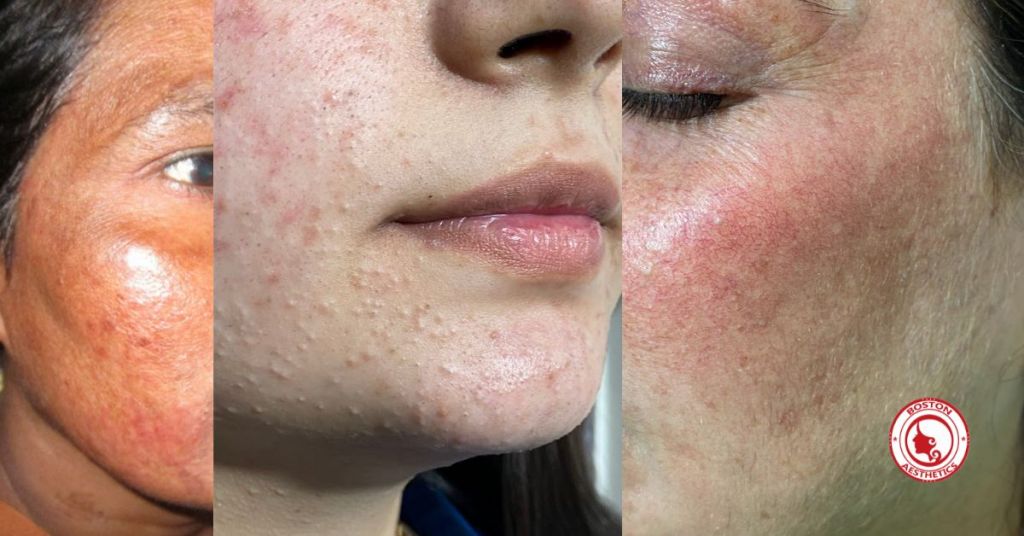
One of the most common skin changes during menopause is increased dryness. Estrogen helps maintain the skin’s moisture by stimulating the production of natural oils and collagen. With lower estrogen levels, the skin becomes thinner, drier, and more prone to itching and irritation.
Loss of Elasticity and Firmness
Collagen and elastin fibers, which provide structural support and elasticity to the skin, decrease significantly during menopause. This loss leads to sagging skin, wrinkles, and a decrease in skin’s firmness.
Increased Sensitivity and Irritation
Menopausal skin can become more sensitive and prone to irritation. Conditions such as eczema, rosacea, and dermatitis may flare up or become more pronounced during this time due to the hormonal imbalance.
Hyperpigmentation
Hormonal fluctuations can also lead to changes in skin pigmentation. Dark spots, age spots, and melasma can become more noticeable, especially with sun exposure.


Hair Changes During Menopause
Thinning and Hair Loss
Hair thinning and loss are common during menopause due to decreased estrogen levels and the relative increase in androgens. This can lead to a condition known as androgenetic alopecia, where hair follicles shrink, resulting in thinner hair strands and a receding hairline.
Changes in Texture and Quality
Menopausal women may notice changes in the texture of their hair, making it drier, more brittle, and prone to breakage. The hair may also lose its natural shine and become more difficult to manage.
Facial Hair Growth
The hormonal imbalance during menopause can sometimes lead to the growth of facial hair, particularly on the chin and upper lip, due to increased levels of androgens.
Expert Tips for Managing Menopausal Skin and Hair Changes
Skincare Routine Adjustments
- Hydration is Key: Use moisturizers that contain hyaluronic acid, glycerin, and ceramides to maintain hydration and restore the skin’s barrier function.
- Gentle Cleansing: Opt for mild, sulfate-free cleansers to avoid stripping the skin of its natural oils. Cleansing oils and cream-based cleansers are excellent choices for dry, sensitive skin.
- Sun Protection: Use broad-spectrum sunscreen with at least SPF 30 daily to protect against UV damage and prevent hyperpigmentation.
- Antioxidants: Incorporate serums with antioxidants like vitamin C, E, and ferulic acid to combat oxidative stress and support collagen production.
- Retinoids: Use retinoids or retinol creams to boost collagen production and improve skin texture and elasticity. Start with a lower concentration to minimize irritation.
- Regular Exfoliation: Gentle exfoliation with AHAs or BHAs can help remove dead skin cells, improve skin texture, and enhance product absorption.
Haircare Routine Adjustments
- Nourishing Shampoos and Conditioners: Use products specifically formulated for thinning or aging hair that provide hydration and strengthen hair strands.
- Scalp Care: Keep the scalp healthy with regular massages and treatments that promote blood circulation and hair growth. Scalp serums containing peptides and growth factors can be beneficial.
- Avoid Heat Styling: Minimize the use of heat styling tools to prevent further damage to brittle hair. When necessary, use heat protectants.
- Healthy Diet: A balanced diet rich in vitamins and minerals, particularly biotin, zinc, and omega-3 fatty acids, can support hair health.
- Medical Treatments: Consult a dermatologist for treatments like minoxidil, laser therapy, or growth factor treatments that can stimulate hair growth.
- Infographics in dermatology
- Patient Awareness Campaigns on Steroid-Induced Dermatitis | Boston Aesthetics Lahore
- 5 Proven Ways to Calm Mind & Glow Skin in Lahore
- 5 Steps to Confident Nose Reshaping in Lahore
- 5 Shocking Truths About Lip Laser Rejuvenation
Professional Treatments
- Chemical Peels and Laser Treatments: These can help address pigmentation issues, improve skin texture, and boost collagen production.
- Microneedling: This treatment can enhance skin texture and stimulate collagen production, making the skin appear firmer and more youthful.
- Hydrafacial: A hydrafacial can provide deep hydration, exfoliation, and nourishment, leaving the skin glowing and revitalized.
- Hair Restoration Treatments: For significant hair thinning or loss, consider professional treatments such as hair transplants or scalp micropigmentation.
Lifestyle and Wellness Tips
- Stay Hydrated: Drink plenty of water throughout the day to keep your skin and hair hydrated from within.
- Balanced Diet: Incorporate a variety of fruits, vegetables, lean proteins, and healthy fats to support overall skin and hair health.
- Exercise Regularly: Physical activity boosts circulation, which helps deliver nutrients to the skin and hair.
- Stress Management: Practice stress-reducing activities like yoga, meditation, or mindfulness to balance hormones and improve overall well-being.
- Quality Sleep: Aim for 7-8 hours of quality sleep each night to allow your body to repair and regenerate.
FAQs on Menopausal Skin and Hair Changes
Q1: What are the best skincare products for menopausal skin? A1: Look for products with hydrating ingredients like hyaluronic acid, ceramides, antioxidants (vitamin C and E), and retinoids for anti-aging benefits.
Q2: Can menopause cause hair loss? A2: Yes, the hormonal changes during menopause can lead to hair thinning and loss. Estrogen supports hair growth, and its decline can affect the hair growth cycle.
Q3: How can I manage increased facial hair during menopause? A3: Regular hair removal methods like waxing, threading, or laser hair removal can manage unwanted facial hair. Consult a dermatologist for personalized advice.
Q4: Are there any natural remedies for menopausal skin changes? A4: Natural remedies like aloe vera, coconut oil, and green tea extracts can soothe and hydrate the skin. However, consult with a dermatologist before trying new treatments.
Q5: How often should I get professional skincare treatments during menopause? A5: Depending on your skin concerns, professional treatments like chemical peels or laser therapy can be done every 4-6 weeks. Consult with your dermatologist for a personalized plan.
Conclusion
Menopause brings about significant changes to the skin and hair, but with the right knowledge and care, these changes can be managed effectively. By adjusting your skincare and haircare routines, seeking professional treatments, and adopting a healthy lifestyle, you can maintain your beauty and confidence during this transformative phase. Always consult with a qualified dermatologist to create a personalized care plan tailored to your specific needs.
Discover Personalized Skincare Plans for Menopause
Leave a Reply