Acne Treatments: From Over-the-Counter to Professional Solutions
Introduction
Acne is a common skin concern that affects millions of people worldwide, especially young adults and teenagers. The quest for clear skin can be overwhelming with a plethora of treatments available, from over-the-counter (OTC) products to professional medical solutions. This blog post aims to provide a comprehensive guide to acne treatments, helping you make informed decisions about the best options for your skin.
Understanding Acne
What is Acne?
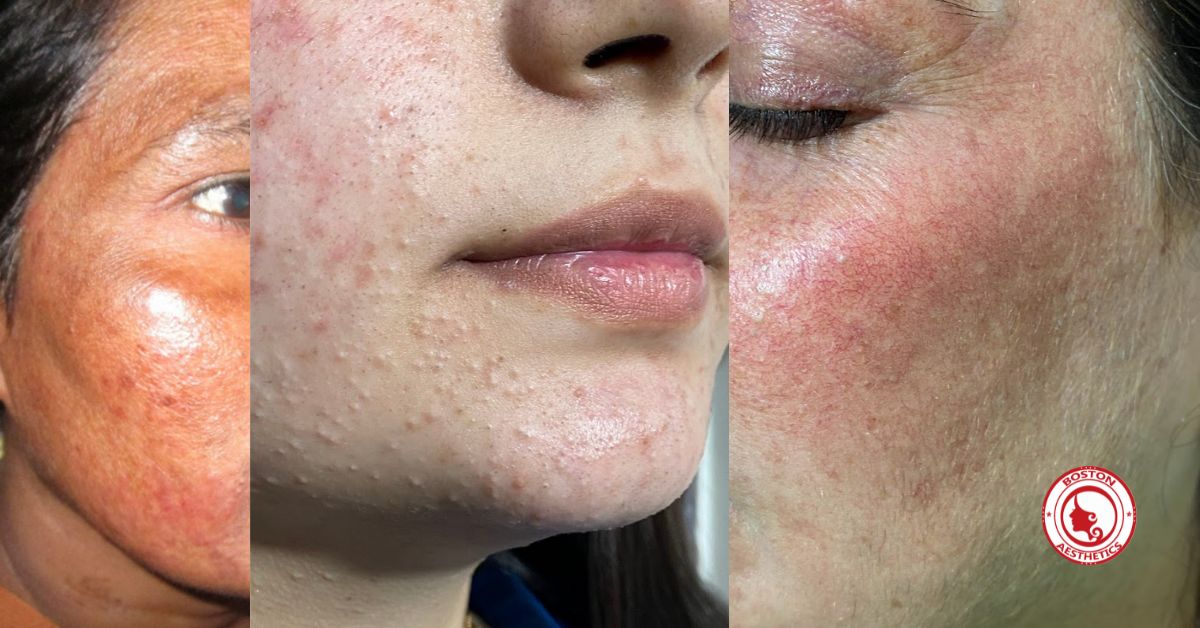
Acne is a skin condition that occurs when hair follicles become clogged with oil and dead skin cells. It often causes whiteheads, blackheads, or pimples and can appear on the face, forehead, chest, upper back, and shoulders. Acne is most common among teenagers, though it affects people of all ages.
Causes of Acne
- Hormonal Changes: Increased androgen levels can lead to higher sebum production, causing acne.
- Diet: Certain foods, like dairy products and carbohydrate-rich foods, can trigger acne.
- Stress: Stress can increase the production of cortisol, leading to acne flare-ups.
- Genetics: Family history can play a significant role in acne development.
- Skincare Products: Non-comedogenic products can help prevent clogged pores, reducing acne risk.
Over-the-Counter Acne Treatments
Topical Treatments
- Benzoyl Peroxide
- How it Works: Kills acne-causing bacteria and removes excess oil and dead skin cells.
- Usage: Available in various strengths, typically applied once or twice daily.
- Side Effects: Can cause dryness, redness, and peeling.
- Salicylic Acid
- How it Works: Exfoliates the skin and keeps pores clear.
- Usage: Commonly found in cleansers, toners, and spot treatments.
- Side Effects: May cause mild irritation and dryness.
- Retinoids
- How it Works: Promotes cell turnover and prevents clogged pores.
- Usage: Typically applied in the evening.
- Side Effects: Can cause redness, peeling, and increased sensitivity to the sun.
Professional Acne Treatments
Prescription Medications
- Oral Antibiotics
- How it Works: Reduces inflammation and kills bacteria.
- Usage: Prescribed for moderate to severe acne.
- Side Effects: Can cause stomach upset and increased sun sensitivity.
- Birth Control Pills
- How it Works: Regulates hormones to reduce acne.
- Usage: Prescribed for women with hormonal acne.
- Side Effects: Can cause weight gain, mood changes, and increased blood clot risk.
- Isotretinoin (Accutane)
- How it Works: Reduces oil production and shrinks oil glands.
- Usage: Prescribed for severe acne unresponsive to other treatments.
- Side Effects: Can cause severe dryness, birth defects, and increased cholesterol levels.
- Topical Antibiotics
- How it Works: Reduces bacteria and inflammation.
- Usage: Applied directly to the skin.
- Side Effects: Can cause redness and irritation.
Chemical Peels
- How it Works: Uses a chemical solution to remove the top layer of skin, promoting new skin growth.
- Usage: Performed by a dermatologist in a series of treatments.
- Side Effects: Redness, peeling, and sensitivity post-treatment.
Laser and Light Therapy
- Laser Therapy
- How it Works: Uses light to target and destroy acne-causing bacteria.
- Usage: Requires multiple sessions.
- Side Effects: Redness and swelling post-treatment.
- Blue Light Therapy
- How it Works: Targets the bacteria that cause acne.
- Usage: Non-invasive and can be done at home or by a professional.
- Side Effects: Minimal, may cause slight redness.
Comparing OTC and Professional Treatments
Effectiveness
- OTC Treatments: Suitable for mild to moderate acne, with gradual results.
- Professional Treatments: More effective for severe acne, with faster and more noticeable results.
Accessibility
- OTC Treatments: Easily accessible and affordable.
- Professional Treatments: Require a dermatologist’s consultation and can be costly.
Safety and Side Effects
- OTC Treatments: Generally safe with minimal side effects.
- Professional Treatments: Can have more significant side effects and require medical supervision.
Conclusion
Choosing the right acne treatment depends on the severity of your acne, skin type, and personal preferences. OTC treatments are a great starting point for mild to moderate acne, while professional treatments offer more intensive solutions for severe cases. Consulting with a dermatologist can help you determine the best course of action for clear, healthy skin.
Transform Your Skin with Professional Care
Book a consultation with Dr. M. Khawar Nazir, the best dermatologist in Lahore, to discover the most effective acne treatments for your skin. Contact us at +92-333-4046479 or visit our website Boston Aesthetics Lahore to schedule your appointment today.


Leave a Reply