
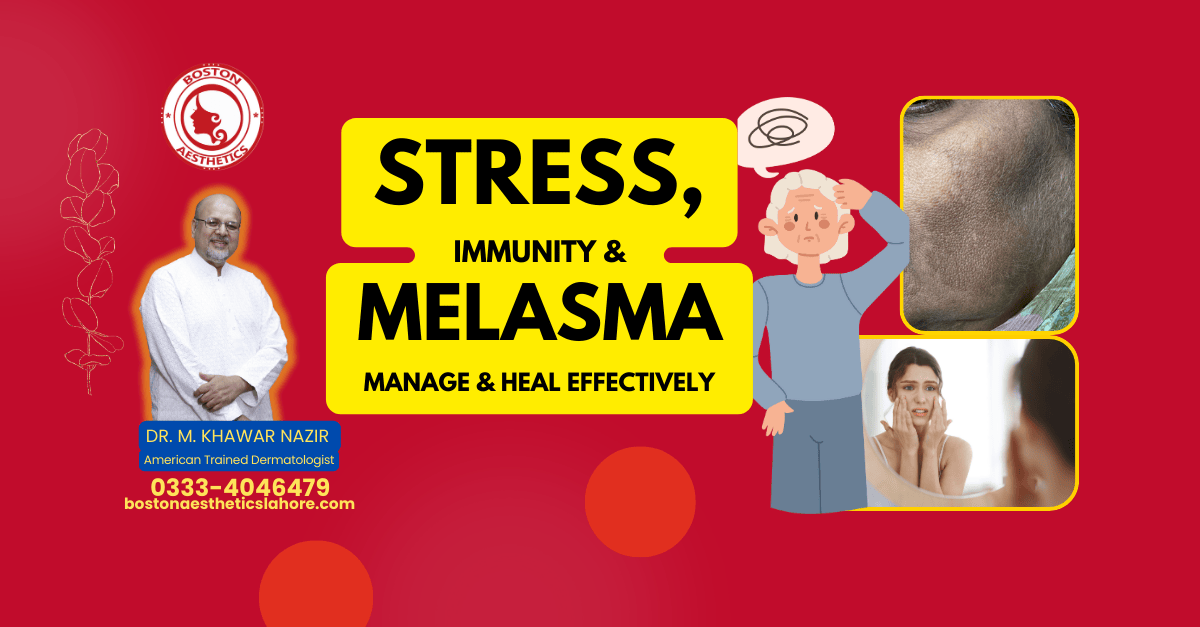
Stress & Melasma Connection: Causes, Impact, and Treatments in Lahore
Stress affects our bodies in profound ways, including weakening immunity and slowing the healing process. This interplay becomes particularly concerning in managing skin conditions like melasma, a common pigmentation disorder. For residents of Lahore dealing with high-pressure lifestyles, understanding the link between stress, immunity, and melasma is critical.
Addressing melasma effectively requires a dual approach—managing stress with the help of mental health professionals and treating the skin condition under the care of an expert dermatologist, such as Dr. M. Khawar Nazir at Boston Aesthetics Lahore.

The Science Behind Stress and Immunity
Stress activates the hypothalamic-pituitary-adrenal (HPA) axis, releasing cortisol, the primary stress hormone. While cortisol is beneficial in small bursts, chronic stress leads to sustained cortisol levels, which impair the immune system.
How Stress Weakens Immunity
- Reduced White Blood Cells: Chronic stress lowers the production of lymphocytes, the white blood cells that help fight infections.
- Inflammatory Responses: Persistent stress triggers inflammation, which further disrupts skin and body healing.
- Delayed Wound Healing: High cortisol slows the body’s ability to repair damaged tissue.
When the immune system is compromised, the body’s natural ability to combat inflammation and repair skin is diminished. For melasma patients, this means slower recovery and worsening pigmentation.
Stress and Its Impact on Healing Power
The healing process relies on a balance of immune responses and proper skin regeneration. Chronic stress disrupts this balance, leading to:
- Prolonged Inflammation: Stress-induced inflammation delays wound closure and intensifies skin pigmentation.
- Reduced Collagen Production: Stress reduces collagen synthesis, essential for skin repair and rejuvenation.
- Barrier Function Impairment: Stress weakens the skin barrier, making it more vulnerable to environmental damage and worsening melasma symptoms.
Stress and Melasma: A Vicious Cycle
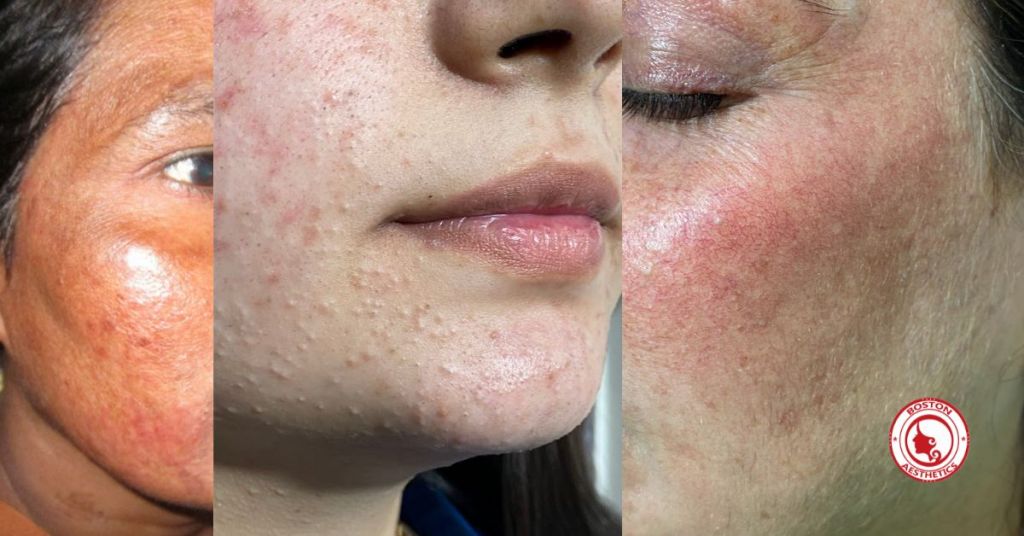
Melasma often worsens under stress due to its impact on hormonal regulation. Cortisol disrupts estrogen and progesterone levels, both of which are linked to melasma.
Key Ways Stress Aggravates Melasma
- Increased Melanin Production: Stress overactivates melanocytes, the pigment-producing cells, leading to darker patches.
- Heightened Sensitivity: Stress makes the skin more reactive to UV rays and pollutants, two key triggers for melasma.
- Delayed Treatment Response: With weakened immunity and healing power, melasma treatments become less effective.


Why a Dual Approach is Crucial for Managing Stress and Melasma
For effective melasma management, addressing both the physical and psychological aspects is essential. Here’s why:
Role of Mental Health Professionals
- Stress Reduction Techniques: Cognitive behavioral therapy (CBT), meditation, and mindfulness can help lower stress levels.
- Emotional Support: Mental health professionals provide coping strategies to deal with lifestyle pressures.
- Improved Compliance: Patients with reduced stress are more likely to adhere to skincare regimens and dermatologist-prescribed treatments.
Role of Dermatologists
- Advanced Treatments for Melasma: Experts like Dr. M. Khawar Nazir use evidence-based treatments such as chemical peels, laser therapy, and light therapy to address pigmentation.
- Customized Skincare Plans: A tailored approach to skincare ensures better results, even for stress-affected skin.
- Monitoring Progress: Regular consultations help track improvement and adjust treatments as needed.
How to Manage Stress for Better Melasma Outcomes
Reducing stress can significantly improve the body’s ability to heal and respond to treatments. Here are some practical tips:
1. Adopt Relaxation Techniques
- Deep Breathing Exercises: Helps lower cortisol levels.
- Yoga and Meditation: Reduces stress while improving skin circulation.
- Regular Exercise: Boosts endorphins, which counteract stress.
2. Focus on a Balanced Diet
- Antioxidant-Rich Foods: Include berries, nuts, and green tea to combat oxidative stress.
- Hydration: Keeps skin supple and supports healing.
- Avoid Sugary Foods: High sugar levels can increase inflammation and worsen melasma.
3. Seek Professional Support
- Therapy Sessions: Work with a licensed mental health professional to address chronic stress.
- Consult a Dermatologist: For personalized melasma treatments tailored to your skin’s needs.
4. Protect Your Skin Daily
- Sunscreen: Use a broad-spectrum SPF to shield your skin from UV damage.
- Skincare Routine: Incorporate dermatologist-approved products to reduce pigmentation.
Effective Treatments for Melasma at Boston Aesthetics Lahore
At Boston Aesthetics Lahore, Dr. M. Khawar Nazir offers advanced melasma treatments customized to individual needs:
- Chemical Peels: Exfoliates the upper skin layers to reduce pigmentation.
- Laser Therapy: Targets melanin-producing cells for even skin tone.
- Light Therapy: Improves skin texture and reduces discoloration.
- Skin Rejuvenation Programs: Focused on boosting collagen and skin health.
With a holistic approach that addresses both internal and external factors, Boston Aesthetics ensures lasting results for melasma patients.
Common Queries on Stress & Melasma
1. How does stress affect melasma?
Stress increases cortisol levels, which stimulate melanin production and worsen pigmentation.
2. Can reducing stress improve melasma?
Yes, managing stress improves the immune system and healing power, which can enhance treatment outcomes.
3. What are the best treatments for melasma in Lahore?
Boston Aesthetics Lahore offers advanced treatments like laser therapy, chemical peels, and skincare programs.
4. How does stress impact the healing process?
Stress delays wound healing by reducing collagen production and triggering inflammation.
5. Should I see both a dermatologist and a mental health professional?
Yes, a combined approach ensures effective management of both stress and melasma.
6. Can diet help manage stress-related melasma?
Yes, a diet rich in antioxidants and low in sugar can reduce inflammation and support skin health.
- Infographics in dermatology
- Patient Awareness Campaigns on Steroid-Induced Dermatitis | Boston Aesthetics Lahore
- 5 Proven Ways to Calm Mind & Glow Skin in Lahore
- 5 Steps to Confident Nose Reshaping in Lahore
- 5 Shocking Truths About Lip Laser Rejuvenation
FAQs on Stress, Immunity, Healing, and Melasma
1. How to cure melasma permanently?
Melasma cannot be “cured” permanently as it is a chronic condition, but it can be effectively managed. Treatments like chemical peels, laser therapy, and customized skincare regimens can significantly reduce pigmentation. Lifestyle adjustments, including daily sunscreen use and stress management, are crucial to prevent recurrence. A dermatologist like Dr. M. Khawar Nazir at Boston Aesthetics Lahore can provide tailored treatments to keep melasma under control.
2. Why am I suddenly getting melasma?
Sudden melasma can occur due to various triggers, including hormonal changes (like pregnancy or birth control), excessive sun exposure, or chronic stress. Stress can lead to hormonal imbalances and increased melanin production, making your skin prone to melasma. Consult a dermatologist to identify the underlying cause and begin treatment.
3. What is the difference between melasma and pigmentation?
Melasma is a specific type of pigmentation disorder characterized by symmetrical, brown or grayish patches, often triggered by hormonal changes, sun exposure, or stress. Pigmentation is a broader term that refers to any discoloration caused by melanin overproduction or deficiency, including freckles, post-inflammatory hyperpigmentation, and sunspots. Boston Aesthetics Lahore specializes in treating all types of pigmentation issues.
4. Can anxiety cause melasma?
Yes, anxiety can indirectly cause or worsen melasma. Chronic anxiety increases cortisol levels, leading to hormonal imbalances that stimulate melanin production. This hormonal disruption often results in the development of melasma, particularly in stress-prone individuals.
5. Can stress make skin darker?
Stress can lead to skin darkening by increasing melanin production through elevated cortisol levels. Stress-induced inflammation may also contribute to pigmentation issues like melasma. Maintaining a stress-free lifestyle and using dermatologist-recommended skincare can help prevent skin darkening.
6. Can emotional stress affect your skin?
Emotional stress significantly impacts your skin, leading to conditions like acne, eczema, premature aging, and pigmentation disorders such as melasma. Stress weakens your skin’s barrier function, delays healing, and makes it more vulnerable to external damage, like UV rays and pollution.
7. How can I stop my skin from darkening?
To prevent skin darkening:
- Apply a broad-spectrum sunscreen daily.
- Incorporate antioxidant-rich products into your skincare routine.
- Manage stress through mindfulness and regular exercise.
- Avoid prolonged sun exposure and wear protective clothing.
Dermatologists can provide tailored treatments for severe pigmentation concerns.
8. Does depression cause pigmentation?
Yes, depression can indirectly lead to pigmentation issues. Chronic depression elevates stress hormones, which can stimulate melanin production and exacerbate conditions like melasma. Seeking mental health support along with dermatologist-led treatments can improve both skin health and emotional well-being.
9. Does stress decrease melanin?
No, stress typically increases melanin production rather than decreasing it. Elevated cortisol levels due to stress stimulate melanocytes, the pigment-producing cells, leading to hyperpigmentation and conditions like melasma.
10. Why am I suddenly getting pigmentation?
Sudden pigmentation can be triggered by factors such as hormonal imbalances, sun exposure, stress, or the use of certain medications. Stress is a common culprit, as it disrupts the skin’s natural barrier and increases melanin production. A dermatologist can help identify the cause and recommend appropriate treatment.
11. What are 7 symptoms of long-term stress?
Long-term stress symptoms include:
- Fatigue and sleep disturbances.
- Weight gain or loss.
- Increased irritability or anxiety.
- Frequent illnesses due to weakened immunity.
- Skin issues like melasma or acne.
- Digestive problems.
- Muscle tension or headaches.
12. Can the brain fully recover from stress?
Yes, the brain can recover from stress with consistent efforts. Adopting stress management techniques like mindfulness, proper sleep, regular exercise, and therapy can reverse the negative effects of chronic stress on the brain over time.
13. How to lower stress hormones?
To lower stress hormones like cortisol:
- Practice mindfulness and meditation.
- Engage in regular physical activity.
- Consume a balanced diet rich in antioxidants and omega-3 fatty acids.
- Prioritize 7-8 hours of quality sleep.
- Limit caffeine and alcohol intake.
14. What does a stressed face look like?
A stressed face often shows signs like:
- Dark circles under the eyes.
- Dull or uneven skin tone.
- Fine lines and wrinkles due to decreased collagen production.
- Redness or breakouts caused by inflammation.
15. How to look younger on the face?
To achieve a youthful appearance:
- Use sunscreen daily to prevent premature aging.
- Incorporate retinol (if suitable) and antioxidant-rich products into your skincare.
- Stay hydrated and follow a healthy diet.
- Get regular treatments like chemical peels or facials from trusted dermatologists.
16. What hormone stops stress?
Oxytocin, also known as the “love hormone,” helps counteract stress by lowering cortisol levels. It’s released through physical touch, social bonding, or even engaging in activities that bring joy.
17. How to reduce cortisol in the face?
To reduce cortisol’s impact on your face:
- Practice daily stress-relief techniques like deep breathing.
- Use soothing skincare products containing ingredients like niacinamide or chamomile.
- Get professional treatments like light therapy to repair skin damage caused by stress.
18. How does stress affect a woman’s body?
Stress can lead to hormonal imbalances in women, resulting in irregular periods, weight gain, weakened immunity, and skin issues like melasma or acne. Chronic stress can also affect fertility and mental health.
19. How to tell if a girl is stressed?
Signs of stress in girls include:
- Mood swings and irritability.
- Loss of appetite or emotional eating.
- Sleep disturbances.
- Complaints of frequent headaches or muscle pain.
- Visible skin issues, such as acne or dullness.
20. What is the best medicine for stress?
While there is no “one-size-fits-all” medicine for stress, treatments may include anti-anxiety medications, antidepressants, or natural remedies like ashwagandha and magnesium. Always consult a healthcare provider for personalized recommendations.
21. What can stress do to a woman’s period?
Stress can disrupt menstrual cycles by delaying ovulation or causing irregular periods. It may also intensify premenstrual symptoms like cramps, mood swings, and bloating. Managing stress through relaxation techniques can help restore cycle regularity.
Conclusion
The impact of stress on immunity and healing is undeniable, and its effects are especially evident in conditions like melasma. A holistic approach involving stress management and expert dermatological care is the key to better outcomes.
At Boston Aesthetics Lahore, Dr. M. Khawar Nazir, an American-trained dermatologist, combines advanced treatments with a patient-centered approach to ensure optimal results.
If you’re struggling with stress and melasma, visit Boston Aesthetics at 15-A, Hali Road, Gulberg II, Lahore, for expert guidance and treatment. Together, we’ll help you regain your skin’s health and confidence.nd let Dr. M. Khawar Nazir, an American-trained dermatologist, help you regain confidence in your skin.
Contact Information
Boston Aesthetics Lahore
15-A, Hali Road, Gulberg II, Lahore
For Aesthetic Treatments Appointment: 03334046479
Dr. M. Khawar Nazir, MBBS, MSc Dermatology, Boston University, USA
American Trained Dermatologist
Dermatologist, Cosmetic, LASER & Hair Transplant Surgeon
Also Available at Bahria Town Hospital
For consultations at Bahria International Hospital, Bahria Town Lahore, call at 042-111-296-297 for an appointment today.
If you can’t make it to the clinic, don’t worry—your skin health is still our priority. Dr. M. Khawar Nazir offers convenient online video consultations, allowing you to receive expert advice and personalised care from the comfort of your home. Whether you’re managing ongoing treatment or seeking advice on new concerns, our virtual consultations provide you with the same level of attention and care as an in-person visit. To book your online consultation, simply call or WhatsApp us at 03334046479.
Author Information:
Dr. M. Khawar Nazir, MBBS, MSc Dermatology, Boston University, USA
American Trained Dermatologist in Lahore
Dermatologist, Cosmetic, LASER & Hair Transplant Surgeon
Boston Aesthetics, 15-A, Hali Road, Gulberg II, Lahore | 03334046479

Leave a Reply