
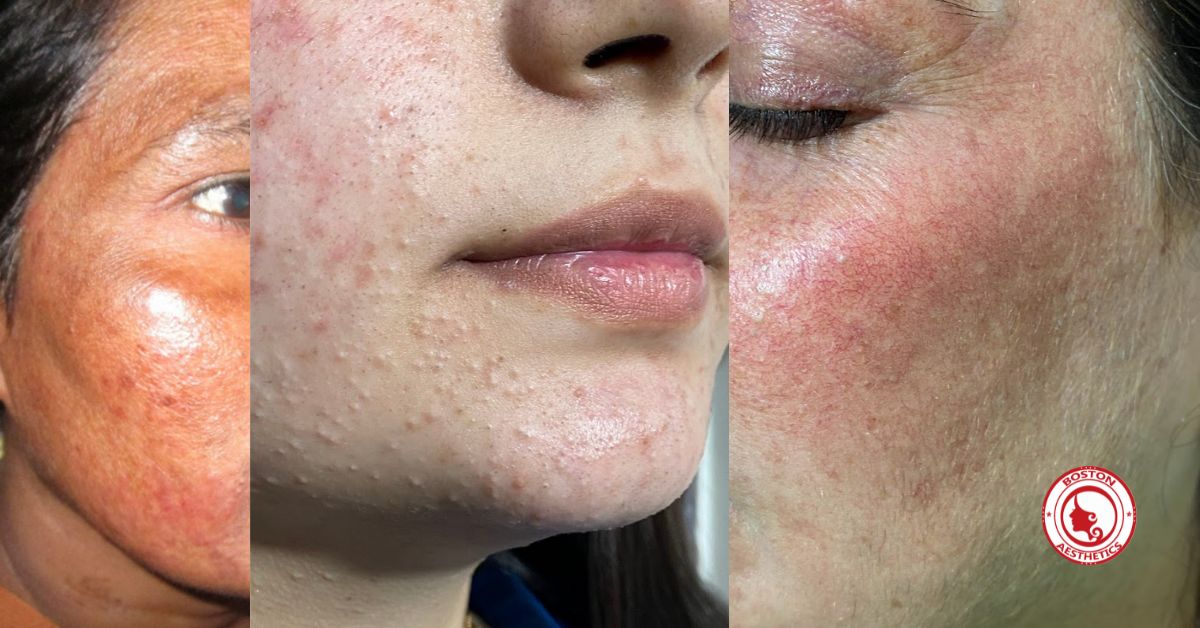
Patient Awareness Campaigns on Steroid-Induced Dermatitis
By Dr. M. Khawar Nazir, MBBS, MS Dermatology (Boston University, USA)
American-Trained Dermatologist, Cosmetic, LASER & Hair Transplant Surgeon
Boston Aesthetics, 15-A Hali Road, Gulberg II, Lahore
📞 0333-4046479 | http://www.bostonaestheticslahore.com
Introduction
Topical corticosteroids are frequently prescribed for various skin disorders, yet their improper or unsupervised use can lead to steroid-induced dermatitis—a condition that undermines skin health and confidence. In Pakistan, self-medication and over-the-counter steroid creams are common. To counter this trend, patient awareness campaigns are essential to educate communities about safe and responsible steroid use.

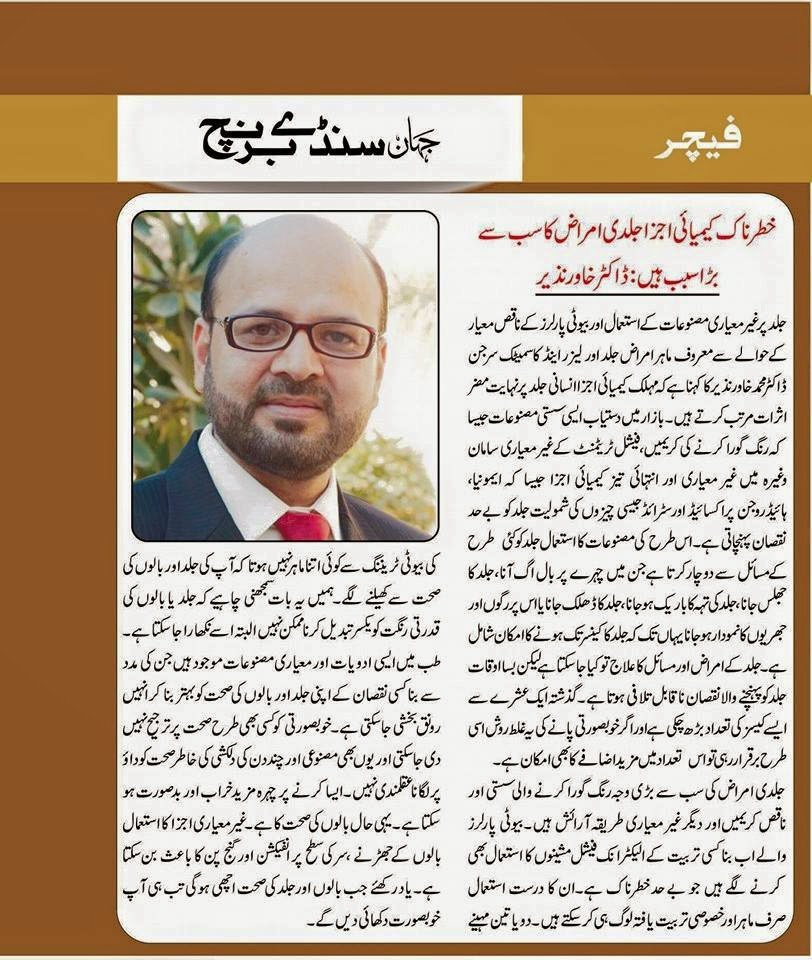
As a dermatologist, I say dark can be beautiful too. Rather than paying attention to the colour of our skin, we need to make it our priority to keep it healthy and glowing Please read this link for complete blog.

Why Awareness Matters
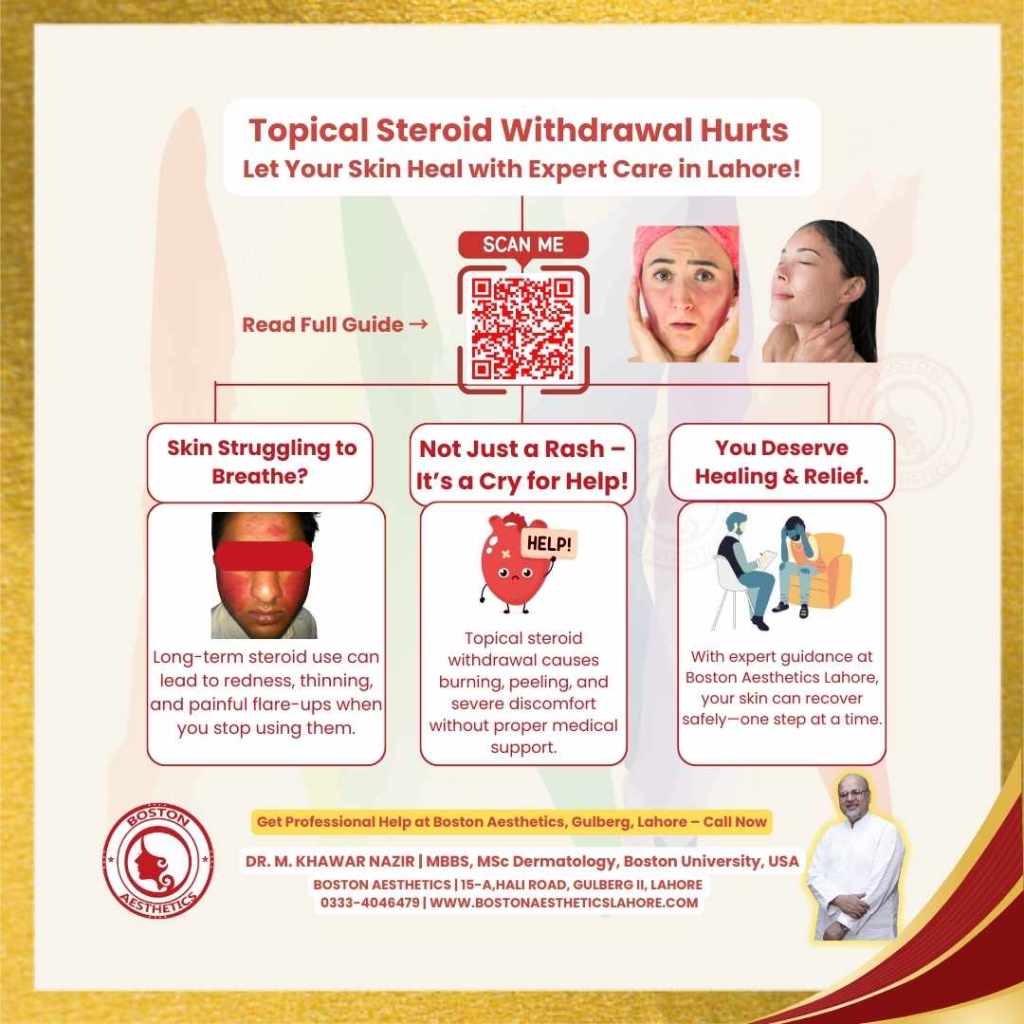
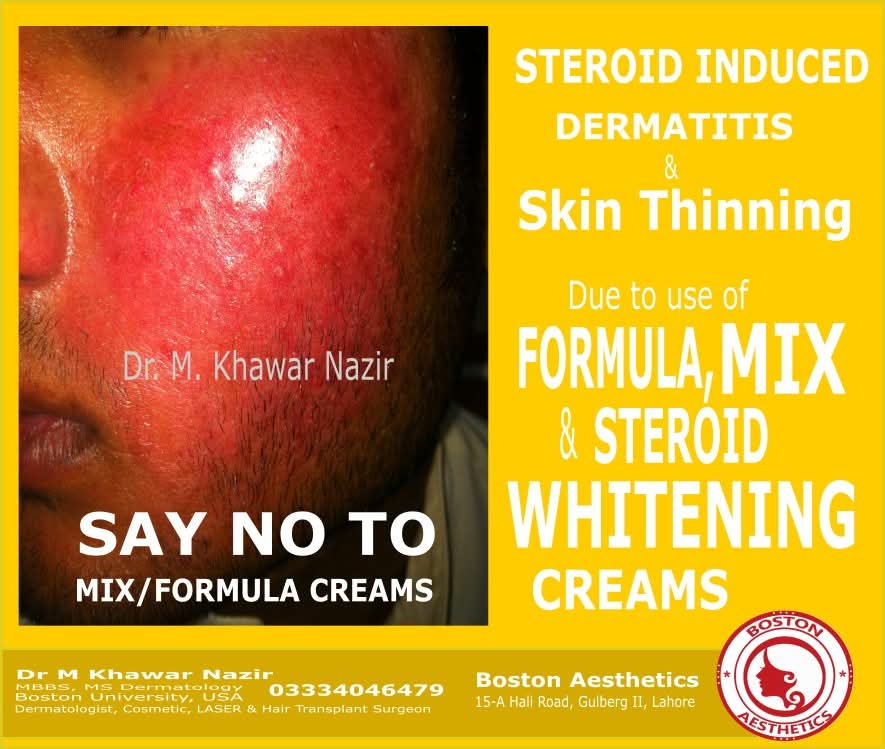
Many individuals are unaware of the long-term risks of topical steroids. Misuse can cause skin thinning, redness, acne, and rebound sensitivity. Awareness campaigns help:
- Reduce misuse through education and guidance.
- Promote dermatologist-supervised use.
- Empower patients with knowledge to make safe decisions.
- Prevent complications before they start.
Understanding Steroid-Induced Dermatitis
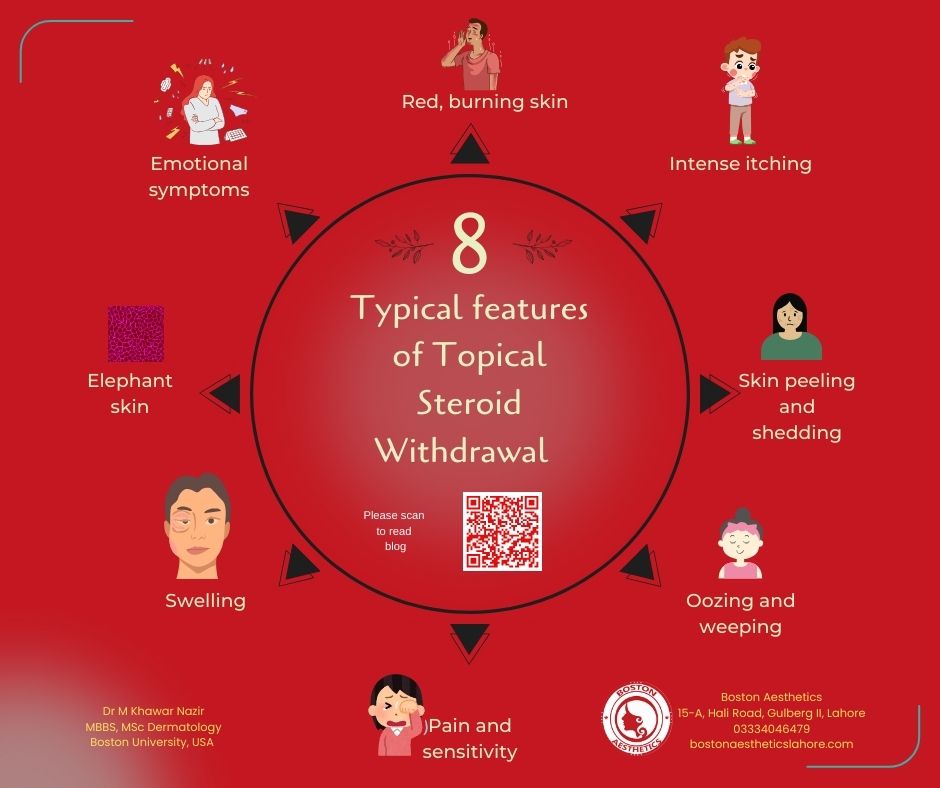
This condition arises when topical steroids are applied for extended periods without medical supervision. Symptoms may include persistent redness, itching, burning, and acne-like eruptions. In some cases, patients develop steroid-dependent skin, which worsens when the cream is stopped.
Common triggers include:
- Self-use of “fairness” creams containing hidden steroids.
- Repeated prescriptions without tapering guidance.
- Misuse in sensitive areas such as the face and groin.
Objectives of the Awareness Campaign
- Educate the public on safe steroid use.
- Encourage consultations with qualified dermatologists.
- Inform healthcare professionals about ethical prescribing.
- Empower communities to recognize and prevent misuse.
Key Campaign Components
1. Information Dissemination
- Develop short awareness videos, posters, and infographics in Urdu and English.
- Distribute educational leaflets in clinics, pharmacies, and salons.
- Publish dermatologist-authored blogs explaining safe practices.
2. Community Engagement
- Organize free skin check-up camps.
- Share real-life stories of recovery from steroid misuse.
- Partner with local influencers and schools to spread awareness.
3. Collaboration with Healthcare Providers
- Train pharmacists and general practitioners to identify misuse.
- Establish referral networks with dermatologists for early intervention.
Target Audience
- General Public: To discourage over-the-counter and cosmetic misuse.
- Current Steroid Users: To promote supervised, step-down regimens.
- Healthcare Workers: To strengthen ethical prescribing behavior.
Strategies for Effective Implementation
- Social Media Campaigns: Use Instagram, Facebook, and YouTube to share visual education using hashtags like #SafeSteroidUse and #HealthySkinPakistan.
- Workshops & Seminars: Conduct interactive talks for students, pharmacists, and beauty industry professionals.
- Printed Brochures: Distribute simplified guides showing correct use, potency levels, and warning signs.

Measuring Campaign Success
- Conduct pre- and post-campaign surveys to assess changes in awareness.
- Monitor prescription trends and pharmacy sales data.
- Track patient inquiries and consultations for steroid-related issues.
Conclusion
Steroid-induced dermatitis is largely preventable through awareness and responsible medical practice. By uniting dermatologists, pharmacists, and the public, we can build a safer community where education replaces misuse and healthy skin becomes a shared goal.
Let’s take a stand against steroid misuse.
Educate, Empower, and Protect—for healthier, confident skin in every community.
⚠️ Medical Disclaimer
The information provided in this blog post — “Patient Awareness Campaigns on Steroid-Induced Dermatitis” — is intended solely for educational and informational purposes. It should not be interpreted as medical advice, diagnosis, or a substitute for professional consultation.
Topical steroid use and skin reactions vary among individuals, and treatment should always be guided by a qualified dermatologist after proper clinical evaluation.
Readers are strongly advised not to self-medicate or use any topical steroid creams without medical supervision.
While the content has been written and reviewed by Dr. M. Khawar Nazir (MBBS, MS Dermatology, Boston University, USA), the information reflects general dermatological principles and may not apply to every case.
Boston Aesthetics Lahore assumes no responsibility for any direct or indirect harm resulting from misuse, misinterpretation, or self-administration of treatments discussed herein.
For personalized advice or diagnosis, please schedule a consultation with a licensed dermatologist or visit:
📍 Boston Aesthetics, 15-A Hali Road, Gulberg II, Lahore
📞 0333-4046479 | 🌐 http://www.bostonaestheticslahore.com
Leave a Reply